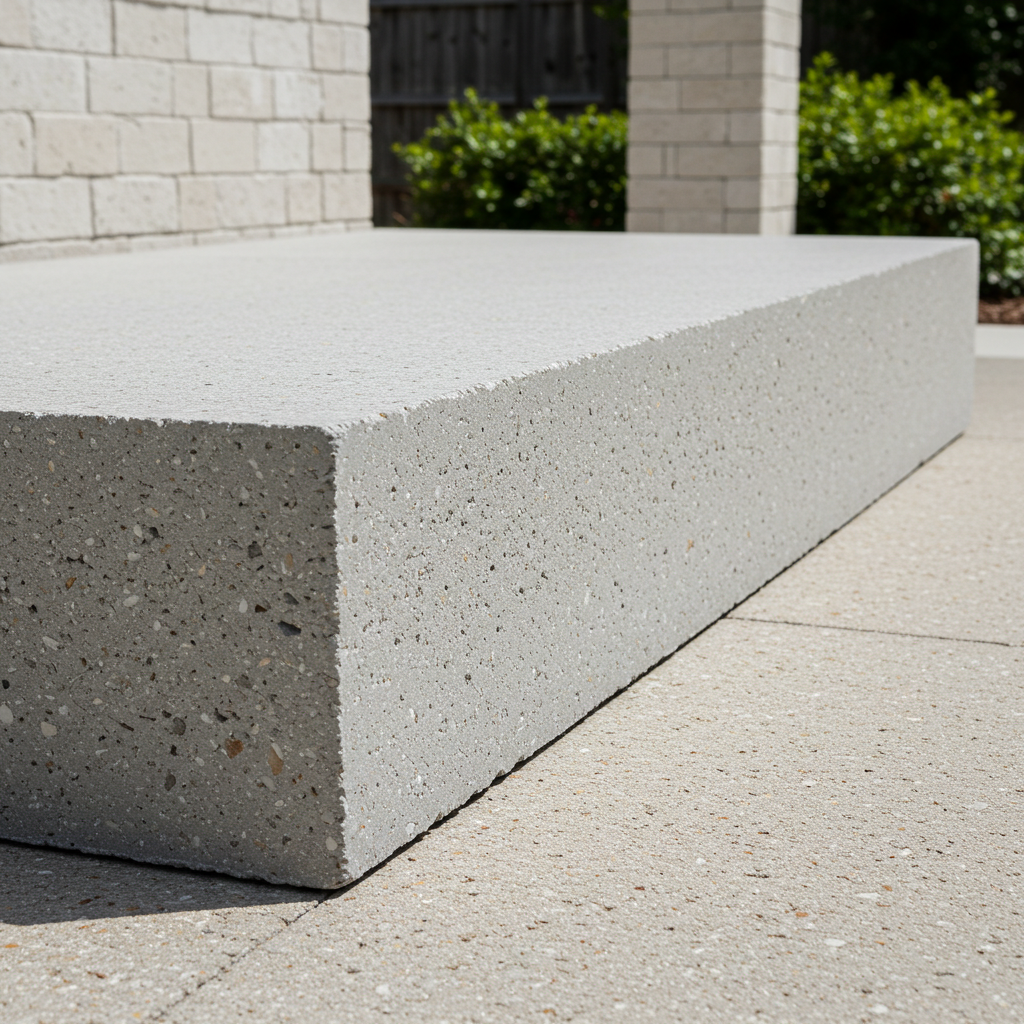
Choose the Right Concrete: Your Tampa Guide to Strength & Durability
When embarking on any paving or construction project in Tampa, from a simple backyard patio to a heavy-duty commercial driveway, one of the most critical decisions you'll make is the type and strength of concrete to use. Far too often, property owners focus solely on cost or aesthetics, overlooking the fundamental aspect of concrete strength. In a challenging climate like Tampa's, with its intense heat, heavy rainfall, and sometimes shifting soils, selecting the appropriate concrete grade isn't just about longevity; it's about safety, performance, and avoiding costly repairs down the line. This guide will demystify concrete strength and help you make informed decisions for your next Tampa concrete project.
What are the key concrete strength terms Tampa property owners need to know?
Understanding concrete strength starts with a few fundamental terms. As expert technicians at Tampa Concrete & Paving, we believe an informed client is a satisfied client. Here are the essentials:
- Compressive Strength: This is the primary measure of concrete's ability to resist being crushed. It's determined by a laboratory test where concrete cylinders are cured for a specific period (typically 28 days) and then subjected to increasing force until they fail. The result is expressed in pounds per square inch (PSI). For example, if a concrete mix has a compressive strength of 3000 PSI, it means it can withstand 3000 pounds of pressure per square inch before cracking or failing. This metric is crucial for ensuring your concrete can handle the loads placed upon it.
- PSI (Pounds per Square Inch): As mentioned, this is the unit of measurement for compressive strength. You'll see concrete specified by its PSI rating, such as 3000 PSI, 4000 PSI, or higher. The higher the PSI, the stronger and more durable the concrete generally is. For Tampa's varied residential and commercial applications, choosing the right PSI is non-negotiable for lasting results.
- Flexural Strength: While compressive strength measures resistance to crushing, flexural strength (also called modulus of rupture) measures concrete's ability to resist bending or cracking under tensile stress. This is particularly important for slabs and pavements that experience bending loads, like driveways supporting vehicle weight. Although compressive strength is more commonly cited, a good mix design inherently addresses flexural properties.
- Mix Design: This refers to the precise proportions of cement, aggregates (sand, gravel), water, and admixtures used to create the concrete. An optimal mix design ensures workability during placement, proper curing, and ultimately, achieves the desired strength and durability. In Tampa, where environmental factors like high humidity and temperature can affect curing, a well-engineered mix design is vital.
How do different PSI ratings impact concrete projects in Tampa's climate?
Tampa's unique environmental conditions play a significant role in determining the ideal PSI for your concrete project. Using an insufficient PSI can lead to premature cracking, spalling, and deterioration, especially under the relentless Florida sun and frequent heavy rains.
- Lower PSI (e.g., 2000-2500 PSI): While adequate for very light-duty applications like simple footings or non-structural elements, concrete in this range offers minimal resistance to abrasion, freeze-thaw cycles (though less of an issue in Tampa, it relates to general durability), or heavy loads. It's generally not recommended for surfaces exposed to direct traffic or the elements in Tampa.
- Standard Residential PSI (e.g., 3000 PSI): This is a common starting point for residential driveways, patios, and sidewalks. It provides a good balance of strength and cost-effectiveness for areas experiencing light to moderate vehicle traffic and pedestrian use. However, for homes with RVs, boats, or heavier vehicles, or for properties with high traffic, a higher PSI might be warranted.
- Higher Residential/Light Commercial PSI (e.g., 3500-4000 PSI): This range offers enhanced durability, making it suitable for driveways that see frequent heavy vehicle traffic, commercial walkways, and lighter industrial slabs. The increased strength provides better resistance to wear, impact, and the stresses caused by Tampa's heat expansion and contraction cycles.
- Heavy Commercial/Industrial PSI (e.g., 4000 PSI and above): For projects demanding exceptional strength and longevity, such as commercial parking lots, warehouse floors, loading docks, and structural foundations, concrete with a PSI of 4000 or greater is essential. These mixes are designed to withstand constant heavy loads, industrial equipment, and harsh operational conditions.
Our expert insight: For any exterior concrete in Tampa, we generally recommend a minimum of 3000 PSI, with 3500-4000 PSI being ideal for driveways and areas with higher exposure or load. This added strength acts as an insurance policy against early failure and contributes significantly to the overall lifespan of your investment.
Which concrete strength is ideal for my specific Tampa application?
Matching the concrete strength to its intended use is paramount for both performance and cost efficiency. Here's a breakdown of common Tampa projects and their recommended PSI ranges:
- Residential Driveways: For standard two-car residential driveways in Tampa, 3000-3500 PSI is a common recommendation. If you plan to park heavier vehicles like RVs, boats, or work trucks, upgrading to 4000 PSI is a wise long-term investment.
- Patios and Walkways: These areas typically experience lighter loads. For residential patios and pedestrian walkways, 2500-3000 PSI is usually sufficient. However, for decorative concrete patios that will see heavy furniture or foot traffic, or commercial walkways, a 3000-3500 PSI mix provides added resilience.
- Garage Slabs: A garage slab supports vehicles, storage, and potential spills. A minimum of 3500 PSI is recommended for garage floors to ensure durability and resistance to cracking under concentrated loads.
- Commercial Parking Lots: High traffic, heavy vehicles, and constant exposure demand robust concrete. Commercial parking lots in Tampa should utilize concrete with a minimum of 4000 PSI, often with increased reinforcement.
- Foundations and Structural Slabs: These are critical load-bearing elements. Building codes and engineering specifications will dictate the precise strength, but typically, structural concrete for foundations and building slabs ranges from 3500 PSI to 5000 PSI or higher, depending on the structure's design and load requirements.
- Decorative Concrete: While aesthetics are key for stamped or stained concrete, durability shouldn't be sacrificed. For decorative surfaces like stamped patios or pool decks, 3000-3500 PSI is often used, ensuring both beauty and structural integrity.
Remember, these are general guidelines. Factors like subgrade preparation, proper drainage, and professional installation are equally important for achieving maximum concrete lifespan in Tampa.
Why does professional concrete mix design matter for Tampa durability?
The strength of concrete isn't just about the PSI number; it's intricately linked to the expertise behind its mix design, especially when factoring in Tampa's climate. A professional concrete contractor like Tampa Concrete & Paving understands that a superior mix goes beyond just cement, water, and aggregates.
Here's why professional mix design is crucial for enduring concrete in Tampa:
- Optimized Water-Cement Ratio: This is arguably the most critical factor influencing concrete strength and durability. A lower water-cement ratio generally results in stronger, more impermeable concrete. However, too little water can make the mix unworkable. Professionals carefully balance this ratio to ensure both strength and proper placement, reducing the risk of issues like dusting or scaling in humid conditions.
- Quality Aggregates: The sand and gravel used (aggregates) make up 60-80% of concrete's volume. Their quality, size, and gradation significantly impact the concrete's strength, workability, and resistance to environmental factors. Reputable suppliers and contractors use clean, strong aggregates free from detrimental impurities common in some Florida soils.
- Strategic Admixtures: Admixtures are chemicals added to concrete to modify its properties, which is invaluable in Tampa. They can:
- Improve Workability: Superplasticizers allow for a lower water-cement ratio while maintaining slump.
- Accelerate or Retard Set Time: Useful for working in hot Tampa weather or needing more time for complex pours.
- Enhance Durability: Air-entraining admixtures create microscopic air bubbles, improving resistance to freeze-thaw (less critical here but improves overall toughness) and de-icing chemicals. Water-reducing admixtures lower the water content for higher strength.
- Reduce Shrinkage: Shrinkage-reducing admixtures help mitigate cracking, a common issue in large slabs.
- Expertise in Local Conditions: A professional team understands how Tampa's high temperatures, humidity, and specific soil types affect concrete performance and curing. They adjust mix designs and pouring techniques accordingly to ensure optimal strength development and long-term resilience against common issues like settlement or thermal cracking.
By entrusting your project to professionals, you're not just getting concrete; you're getting a meticulously engineered material designed to perform optimally in its specific environment. This expertise is what ensures your investment in concrete provides lasting value and curb appeal.
Why Choose Tampa Concrete & Paving for Your Next Project?
Understanding concrete strength and grades is the first step toward a successful and durable concrete project in Tampa. Whether you're planning a new driveway, a commercial parking lot, or a beautiful decorative patio, selecting the correct PSI and ensuring a professional mix design are critical. At Tampa Concrete & Paving, we bring unparalleled expertise in concrete engineering and installation to every project. We understand the nuances of Florida's climate and how to design and install concrete that will stand the test of time, resisting cracking, spalling, and wear. Don't compromise on the foundation of your property; trust the experts to deliver superior results. Contact Tampa Concrete & Paving today for a consultation and let us help you choose the perfect concrete solution for your needs.
Need Professional Assistance?
Get a free, no-obligation estimate from our expert local team today.