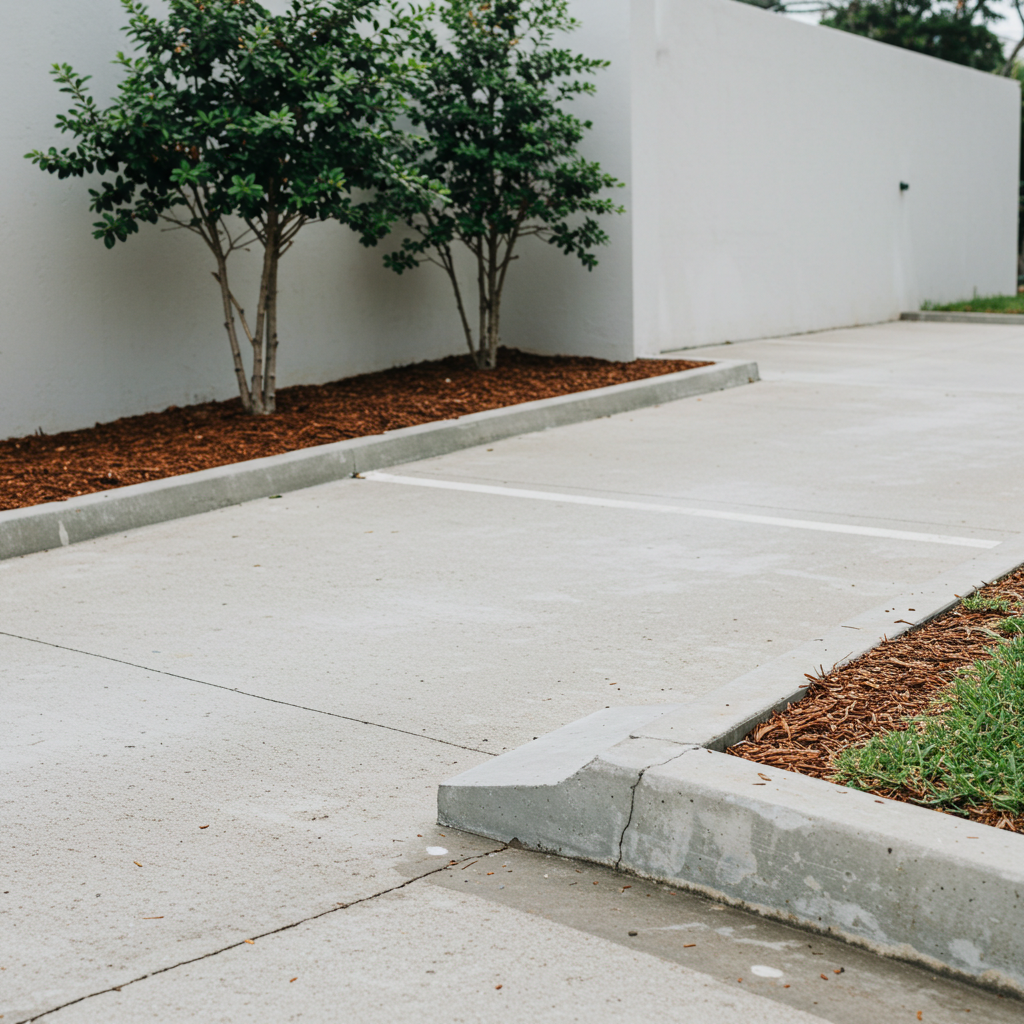
Extend Concrete Lifespan in Tampa: Why Expansion Joints Matter
Concrete is one of the most durable and widely used building materials in Tampa, forming everything from driveways and patios to sidewalks and foundations. However, even the toughest concrete isn't immune to the forces of nature, particularly the extreme heat and humidity characteristic of our beautiful Sunshine State. One often-overlooked yet critical component for concrete longevity is the humble expansion joint. These strategically placed gaps are not mere cosmetic features; they are engineering necessities that shield your concrete from premature damage and costly repairs. Ignoring them can lead to significant structural issues and expensive fixes.
What are concrete expansion joints and why are they essential for Tampa properties?
Concrete expansion joints, also known as isolation joints, are full-depth separations in concrete slabs designed to create a gap between individual concrete sections or between concrete and other structures like walls, columns, or foundations. These gaps are typically filled with a compressible material such as asphalt, fiberboard, cork, rubber, or specialized sealants.
Their primary function is to:
- Accommodate Thermal Movement: Concrete expands when it heats up and contracts when it cools down. In Tampa's climate, where temperatures can soar, this thermal expansion can be significant. Without expansion joints, the expanding concrete would push against adjacent slabs or structures, creating immense internal pressure.
- Prevent Cracking: When concrete can't expand freely, it will crack under the accumulated stress. Expansion joints absorb this movement, allowing the concrete to expand and contract without fracturing, thereby preventing random and unsightly cracks across the surface.
- Isolate Slabs: They prevent stress from being transferred from one concrete slab to another, or from a concrete slab to an adjacent building element. This isolation protects both the slab and the structure from damage due to differential movement.
- Manage Settlement: In some cases, expansion joints can help manage minor differential settlement between adjacent concrete sections or between concrete and a structure, reducing the likelihood of stress cracks.
For Tampa properties, where concrete surfaces are exposed to intense sun and high temperatures for much of the year, the role of expansion joints is particularly vital. They are your concrete's first line of defense against the relentless Florida sun.
How does Tampa's climate impact concrete expansion joints?
Tampa's unique subtropical climate presents specific challenges for concrete and its expansion joints. Understanding these factors is key to proper maintenance and longevity:
- Intense Heat and Sun Exposure: The most significant factor is heat. Concrete can absorb a substantial amount of solar radiation, leading to considerable expansion. Over time, continuous cycles of expansion and contraction can degrade the filler material within the joints, causing it to become brittle, crumble, or extrude. If the filler fails, the joint loses its ability to cushion movement, and stress transfers directly to the concrete.
- High Humidity and Rainfall: Tampa experiences high humidity levels and frequent heavy rains, especially during the wet season. Water can penetrate compromised expansion joints, leading to several problems:
- Sub-base Erosion: Water seeping through damaged joints can erode the soil and aggregate layer beneath the concrete, creating voids. This can lead to uneven settlement, cracking, and even slab failure.
- Freeze-Thaw (Limited but possible): While less common in Tampa than in northern climates, extreme cold snaps can cause water trapped in cracks or joints to freeze and expand, further widening damage.
- Vegetation Growth: Moisture combined with organic debris in open joints creates an ideal environment for weeds and grass to sprout, which can exert pressure and widen cracks.
- Soil Movement: Florida's sandy and sometimes clay-rich soils, combined with heavy rainfall, can experience movement and settlement. Expansion joints help concrete slabs accommodate some of this movement without cracking, but a failing joint can exacerbate the effects of unstable soil.
The constant environmental stress in Tampa means that expansion joints require more diligent attention here than in milder climates.
What are the common signs of failing expansion joints homeowners should look for in Tampa?
Regular inspection is the first step in proactive maintenance. Knowing what to look for can help you catch issues early, preventing minor problems from escalating into major repairs. Here are key signs of failing expansion joints on your Tampa property:
- Deteriorated or Missing Filler Material: This is the most obvious sign. The flexible material within the joint may appear:
- Cracked or Brittle: The filler loses its elasticity and begins to crumble.
- Missing in Sections: Gaps or voids appear where the filler should be.
- Extruding: The filler material pushes out above the concrete surface due to repeated expansion, becoming a trip hazard.
- Cracks Adjacent to the Joint: If the expansion joint is no longer performing its function, stress will transfer to the concrete, causing parallel cracks (spalling) or spiderweb cracks (crazing) in the concrete immediately next to the joint.
- Weed or Grass Growth: Plant life growing within the joint indicates that the filler material is compromised, allowing soil and moisture to accumulate. As roots grow, they can further widen the gap.
- Water Pooling: If water collects in or around the joint and does not drain away, it suggests the joint is no longer properly sealed, potentially allowing water to penetrate the sub-base.
- Uneven Slab Edges: Significant differential settlement or heaving of adjacent concrete slabs near the joint can indicate sub-base issues caused or exacerbated by a failing expansion joint.
- Unusual Sounds During Movement: While less common, sometimes a failing joint might allow concrete slabs to rub against each other, creating grinding or scraping sounds when vehicles drive over them.
Don't ignore these warning signs. Early detection and intervention can save you substantial costs and headaches.
How can Tampa homeowners properly maintain their concrete expansion joints?
While some repairs require professional expertise, there are several maintenance steps Tampa homeowners can take to extend the life of their concrete expansion joints:
- Regular Cleaning:
- Sweep and Clear Debris: Regularly sweep leaves, dirt, and other organic matter away from the joints.
- Pressure Wash (Carefully): Periodically, use a pressure washer to clear out stubborn dirt, but be careful not to damage existing filler material or blast away sub-base material. Use a fan tip and keep the nozzle moving.
- Remove Weeds: Pull out any weeds or grass growing in the joints. Consider using a weed killer for persistent growth, but ensure it's safe for concrete.
- Inspect Annually (or Bi-Annually):
- Walk your concrete surfaces at least once a year, paying close attention to all expansion joints. Look for any of the signs of failure mentioned above.
- Pay special attention after heavy rains or periods of extreme heat.
- Re-sealing and Re-filling:
- If you notice the filler material is cracking, crumbling, or missing, it's time to re-seal or re-fill.
- Choose the Right Material: For DIY projects, use a high-quality, flexible, self-leveling concrete sealant or caulk designed for exterior use. Polyurethane or silicone-based sealants are often good choices for their durability and flexibility in Tampa's climate. Avoid rigid materials that won't allow for movement.
- Prepare the Joint: Clean out all old, loose, or deteriorated filler material. Use a utility knife, chisel, or wire brush to create a clean, dry, and debris-free channel.
- Apply Backer Rod: For deeper joints, insert a foam backer rod to create a proper depth for the sealant (typically 1/2 to 3/4 inch). This prevents the sealant from adhering to the bottom of the joint, allowing it to stretch properly.
- Apply Sealant: Carefully apply the sealant, ensuring good adhesion to both sides of the concrete. Smooth it out with a trowel or gloved finger. Follow manufacturer instructions for curing times.
- Avoid Harsh Chemicals: Be cautious with de-icing salts or harsh cleaning chemicals near expansion joints, as these can accelerate the deterioration of filler materials and concrete itself.
Proactive maintenance will significantly contribute to the overall health and appearance of your concrete surfaces.
When should you call a professional for concrete expansion joint repair in Tampa?
While DIY maintenance can address minor issues, there are situations where calling a professional concrete and paving expert like Tampa Concrete & Paving is not just recommended, but essential:
- Extensive Deterioration: If many joints are severely damaged, missing large sections of filler, or showing signs of widespread crumbling, a professional can assess the full extent of the damage and efficiently replace the material.
- Large Cracks and Spalling: If cracks are extending significantly beyond the joint into the concrete slab, or if there's extensive spalling (surface flaking or chipping) along the joint edges, it indicates severe stress that may require more than just re-sealing.
- Water Intrusion and Sub-base Concerns: If you suspect water is regularly penetrating beneath your concrete slabs, leading to erosion, voids, or uneven settlement, a professional can diagnose the underlying issue and implement appropriate drainage or sub-base repair solutions.
- Uneven or Heaving Slabs: Significant height differences between adjacent slabs, or areas where concrete appears to be rising or sinking, point to serious sub-base issues or structural problems that an expert needs to address.
- Complex Joint Replacement: Some expansion joints, especially those integrated into larger commercial or structural concrete, may require specialized tools and materials for proper repair or replacement.
- Uncertainty: If you're unsure about the cause of the damage, the best repair method, or the right materials to use, it's always safer and often more cost-effective in the long run to consult with professionals.
Ensuring your concrete expansion joints are in top condition is a critical investment in the longevity and safety of your property. By understanding their purpose, recognizing signs of failure, and performing regular maintenance, you can protect your concrete surfaces from the ravages of Tampa's climate. When the job is beyond a simple DIY fix, remember that expert help is readily available. For comprehensive concrete services, from detailed inspections to professional expansion joint repair and replacement, trust the seasoned team at Tampa Concrete & Paving. Our expertise ensures your concrete remains durable, safe, and looking its best for years to come. Don't wait for small cracks to become big problems—contact Tampa Concrete & Paving today for a consultation!
Need Professional Assistance?
Get a free, no-obligation estimate from our expert local team today.