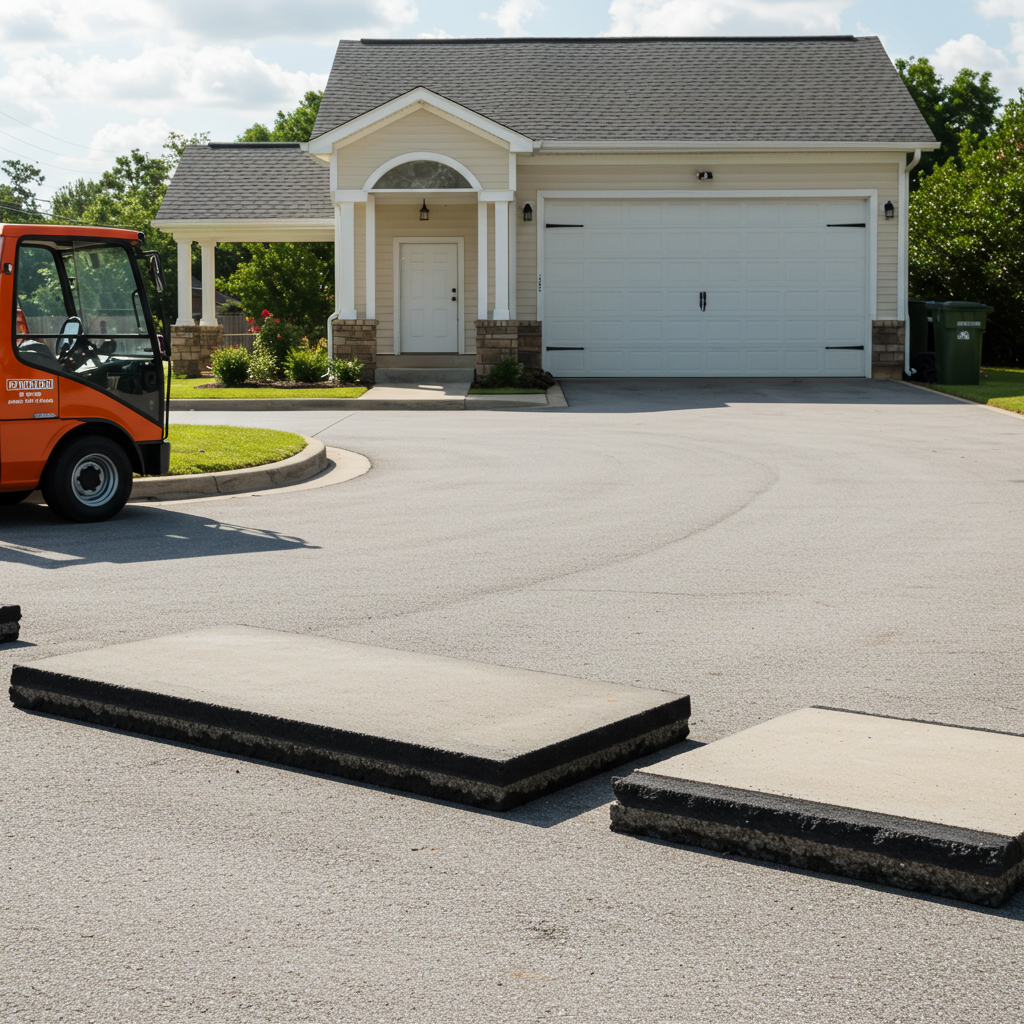
Tampa's Pavement Power: The Essential Layers for Maximum Durability
When you look at a perfectly smooth asphalt parking lot or a pristine concrete driveway, it's easy to overlook the complex engineering beneath the surface. In Tampa's unique environment, characterized by sandy soils, high humidity, intense sun, and heavy rainfall, building a truly durable pavement requires more than just pouring concrete or laying asphalt. It demands a deep understanding of how each layer contributes to the overall strength, stability, and longevity of the system. Investing in a properly constructed pavement isn't just about aesthetics; it's about safeguarding your property, enhancing safety, and avoiding costly repairs down the line. Let's delve into the vital components that make up a resilient pavement structure.
How Does Tampa's Soil Affect Pavement Foundation?
The very first and arguably most critical layer of any pavement system is the subgrade, which is essentially the natural soil underneath your project. In Tampa, our typical sandy soils present both advantages and challenges. While sand generally drains well, it can also be unstable if not properly prepared and compacted, especially when saturated with water. A weak or improperly prepared subgrade is the leading cause of premature pavement failure, manifesting as cracking, rutting, and settlement.
Expert paving contractors understand that successful subgrade preparation in Florida involves several key steps:
- Soil Testing: Analyzing the existing soil composition and moisture content to determine its load-bearing capacity.
- Moisture Management: Ensuring optimal moisture levels for compaction. Too dry, and it won't compact properly; too wet, and it loses stability. This is particularly crucial in Tampa's humid climate.
- Compaction: Achieving maximum density through mechanical compaction. This removes air pockets, increases soil strength, and prevents future settlement. Proper compaction is paramount to create a uniform, stable foundation capable of distributing loads evenly.
- Stabilization: In cases of particularly weak or expansive soils (less common with Tampa's sand, but can occur with some clays), soil stabilization techniques using cement, lime, or other additives may be necessary to enhance strength and reduce volume changes due to moisture fluctuations.
Without a strong, stable subgrade, even the highest quality upper layers will eventually fail. It's the silent workhorse that dictates the ultimate performance and lifespan of your pavement.
Why is the Sub-Base Layer Crucial for Pavement Stability?
Sitting directly above the prepared subgrade, the sub-base layer acts as a vital buffer and structural component. Its primary functions are to distribute the load from the upper layers and traffic more evenly across the subgrade, provide excellent drainage, and prevent frost penetration (though frost heave is rarely an issue in Tampa, good drainage remains critical). In Tampa, where heavy rains can be frequent, the drainage capabilities of the sub-base are paramount to preventing water from saturating and weakening the subgrade.
Common materials for the sub-base include:
- Crushed Aggregate: Typically consisting of crushed stone, gravel, or recycled concrete, these materials are chosen for their angularity, which allows them to interlock and form a stable, permeable layer. The size and type of aggregate are selected based on the anticipated traffic loads and drainage requirements.
- Limestone Base (Limerock): A popular choice in Florida, limerock provides a strong, well-draining sub-base that compacts very effectively, creating a firm and stable platform.
- Stabilized Soil: Sometimes, the subgrade itself might be stabilized to perform as a sub-base if its properties can be adequately improved.
Proper compaction of the sub-base is just as important as the subgrade. Each lift (layer) of sub-base material must be compacted to specific density standards to ensure it can effectively transfer loads and maintain its integrity over time. A well-constructed sub-base prevents localized settlement and provides the necessary strength to support the heavy base and surface courses, directly contributing to the pavement's long-term performance.
What Role Does the Base Course Play in Pavement Longevity?
The base course is the primary structural layer of the pavement, sitting above the sub-base and directly beneath the surface course. It's designed to provide the majority of the structural strength and distribute concentrated traffic loads over a wider area to both the sub-base and subgrade. Think of it as the muscle of your pavement system, bearing the brunt of the weight and stress from vehicles.
Key characteristics and functions of the base course include:
- Load-Bearing Capacity: This layer is engineered to withstand significant compressive and shear forces, preventing rutting and cracking in the surface layer. Its thickness and material composition are carefully designed based on projected traffic volume and weight.
- Uniform Support: It provides a consistent, stable platform for the surface course, preventing irregularities that could lead to premature deterioration.
- Drainage: While the sub-base initiates drainage, the base course continues to allow water to filter through, preventing it from accumulating and causing damage.
- Material Quality: The base course typically uses high-quality, dense-graded aggregates, often stabilized with binders like asphalt cement (for asphalt pavements) or Portland cement (for concrete pavements). In Tampa, specific blends of limerock or crushed concrete are often utilized for their strength and availability.
The structural integrity of the entire pavement system heavily relies on the quality and thickness of the base course. Skimping on this layer invariably leads to early failures, as the surface layer will not have adequate support to handle daily stresses, especially from heavy vehicle traffic or the intense heat and rain common in our Tampa climate.
How Do Surface Layers Protect Your Pavement Investment in Tampa?
The surface course is the uppermost layer of your pavement, the part you see and drive on every day. While it contributes to structural integrity, its primary roles are to provide a smooth, durable, and safe driving surface, protect the underlying layers from environmental damage, and offer aesthetic appeal. In Tampa, the surface layer faces significant challenges from intense UV radiation, extreme heat, and frequent torrential downpours.
Depending on your project and needs, the surface course will typically be:
- Asphalt Concrete: This flexible surface is a mixture of aggregate and asphalt cement. It offers a smooth ride, excellent skid resistance, and is relatively quick to install and repair. In Tampa, asphalt formulations are often tailored to withstand high temperatures and resist cracking from thermal expansion and contraction. It acts as a waterproof membrane, protecting the underlying layers from moisture intrusion.
- Portland Cement Concrete: Known for its rigidity, strength, and exceptional longevity, concrete is ideal for heavy traffic areas or where a very robust surface is required. It offers excellent resistance to rutting and weathering. Modern concrete mixes in Tampa are designed to minimize cracking, resist spalling from chemical exposure, and maintain their appearance under intense sun. Concrete also provides a bright, reflective surface which can reduce heat island effects.
Beyond material choice, factors like proper mix design, temperature control during placement, and meticulous finishing are crucial for a high-performing surface layer. This layer is your pavement's first line of defense against the elements, traffic wear, and tear. A high-quality surface course not only looks good but significantly extends the life of the entire pavement system, safeguarding your investment.
Understanding the intricate relationship between the subgrade, sub-base, base course, and surface course is fundamental to constructing pavement that truly lasts. Each layer is engineered with specific materials and compaction standards to perform its unique function while seamlessly integrating with the others. For your next paving or concrete project in Tampa, trust the experts at Tampa Concrete & Paving. Our team possesses the in-depth knowledge and experience to properly assess your site, recommend the ideal layered structure, and execute flawless installation that guarantees maximum durability and a lasting return on your investment. Contact us today to ensure your pavement is built right, from the ground up.
Need Professional Assistance?
Get a free, no-obligation estimate from our expert local team today.