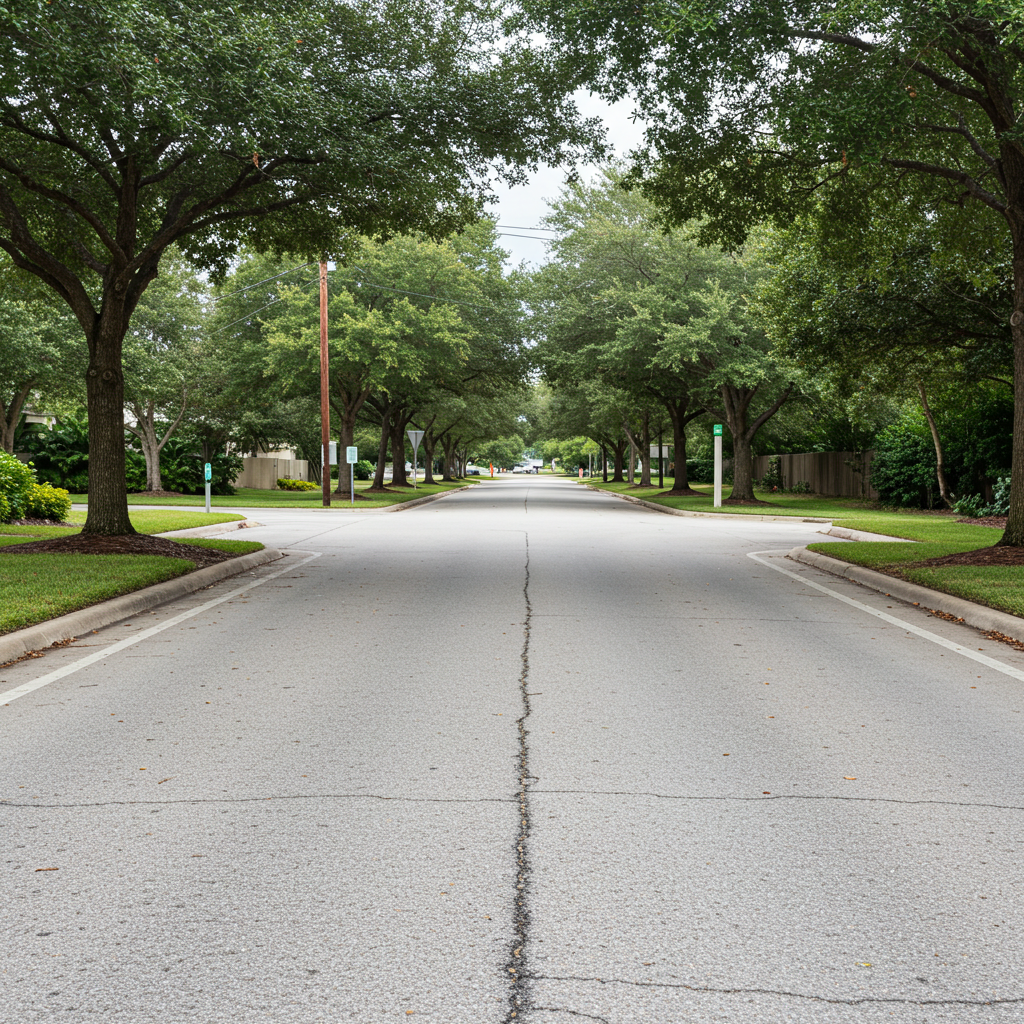
Fortify Your Pavement: Proactive Strategies for Tampa's Harsh Weather
Protecting your pavement in Tampa's challenging climate requires a multi-faceted approach, primarily focusing on superior drainage, proper sealing, and routine maintenance to combat relentless sun exposure, torrential downpours, and high humidity, thus preventing costly repairs and extending its lifespan.
Why is Tampa's Weather So Tough on Pavement?
Tampa's subtropical climate, characterized by intense heat, abundant sunshine, high humidity, and frequent, heavy rainfall, creates a uniquely aggressive environment for both asphalt and concrete pavements. Unlike cooler, drier regions, our local conditions accelerate material degradation through several mechanisms:
- UV Radiation: The unrelenting Florida sun, with its high UV index, causes asphalt binders to oxidize and become brittle. For concrete, it can exacerbate drying shrinkage, leading to surface cracking and fading. Over time, this constant exposure breaks down the structural integrity of the paving material, making it more susceptible to other forms of damage.
- Torrential Rains and Flooding: Our rainy season brings intense downpours that can quickly overwhelm inadequate drainage systems. Standing water is a pavement's worst enemy. For asphalt, it can lead to 'ravelling' where aggregate separates from the binder, and hydroplaning risks. For concrete, it can seep into sub-base layers, causing erosion, undermining support, and leading to settlement or slab cracking. The hydrostatic pressure from standing water also stresses the pavement from below.
- High Humidity and Temperature Fluctuations: Consistent high humidity fosters moisture absorption, particularly in concrete, which can lead to freeze-thaw damage if temperatures drop unexpectedly (though less common in Tampa, it's still a risk for certain concrete types). More significantly, the expansion and contraction from daily temperature swings, amplified by direct sun, create thermal stresses that contribute to cracking and joint failure in both asphalt and concrete.
- Salt Air (Coastal Proximity): While not directly a weather phenomenon, our proximity to the coast means airborne salt can accelerate corrosion of rebar in concrete, leading to spalling, and can also contribute to surface degradation in both materials.
Understanding these challenges is the first step toward implementing effective, proactive pavement protection strategies for your Tampa property.
What Are the Best Drainage Solutions for Tampa Properties?
Effective drainage is paramount in Tampa to prevent water-related pavement damage. Without proper water management, even the most robust paving can succumb to erosion, sub-base failure, and premature deterioration. Here are some of the best drainage solutions:
- Proper Grading and Sloping: This is the fundamental principle of good drainage. Your paving should be designed with a slight, consistent slope (typically 1-2%) away from structures and towards designated drainage points. This ensures water flows off the surface quickly and naturally, preventing puddling. Expert grading is essential during the initial installation or resurfacing.
- Catch Basins and Storm Drains: For larger paved areas or those with complex contours, catch basins connected to underground storm drains are highly effective. These structures collect surface runoff and channel it away from your property into the municipal drainage system or a designated retention area. Regular cleaning of catch basins is crucial to prevent blockages.
- French Drains: These subsurface drains are excellent for intercepting groundwater or redirecting surface water before it reaches your paved areas. A French drain consists of a trench filled with gravel, a perforated pipe, and often a landscape fabric to prevent soil intrusion. They are particularly useful along the edges of driveways or parking lots to prevent water from seeping underneath.
- Channel Drains: Ideal for specific applications like garage entrances, driveways, or patios, channel drains are linear grates installed flush with the pavement surface. They effectively capture water across a wide area and direct it to an outlet.
- Permeable Pavement Systems: While a larger investment, permeable asphalt or concrete allows water to percolate through the pavement surface into a stone sub-base, where it is slowly released into the ground. This not only manages stormwater effectively but also reduces runoff and can recharge groundwater. This eco-friendly option is gaining popularity in Tampa for its sustainability benefits.
- Culverts and Swales: For larger commercial properties or extensive driveways, culverts (pipes under driveways) and vegetated swales (shallow, gently sloping channels) can manage significant volumes of water, guiding it away from critical paved zones.
Implementing a combination of these solutions, tailored to your specific site, is key to safeguarding your Tampa paving investment.
How Does Sealing Protect Pavement in Florida?
Pavement sealing is a critical proactive measure for both asphalt and concrete in Tampa's climate, acting as a protective barrier against the elements. Here's how it works for each material:
Asphalt Sealing (Sealcoating):
Asphalt sealcoating involves applying a protective liquid layer over the asphalt surface. This highly effective process provides multiple benefits:
- UV Protection: The sealcoat forms a new surface layer that directly absorbs the sun's damaging UV rays, preventing them from oxidizing the asphalt binder beneath. This significantly slows down the embrittlement and degradation process.
- Water Resistance: Sealcoat fills hairline cracks and minor surface voids, creating a more impermeable barrier against water penetration. This prevents water from seeping into the asphalt and its sub-base, which can lead to freeze-thaw damage (though less common in Tampa) and structural weakening.
- Oxidation Prevention: By creating a protective layer, sealcoating prevents oxygen from reacting with the asphalt binder, maintaining its flexibility and black color. Oxidized asphalt appears grey and is prone to cracking.
- Fuel and Oil Resistance: Sealcoats provide a barrier against chemical spills like gasoline, oil, and automotive fluids, which can dissolve and soften asphalt if left untreated. This is particularly important for driveways and parking lots.
- Enhanced Appearance: A fresh sealcoat restores the pavement's original dark black color, enhancing curb appeal and making line striping more visible.
- Extended Lifespan: By mitigating the effects of sun, water, and chemicals, sealcoating can extend the life of your asphalt pavement by several years, postponing the need for more costly repairs or replacement.
Concrete Sealing:
Concrete sealing involves applying a clear or tinted sealer to the concrete surface. While different from asphalt sealcoating, its protective benefits are equally vital:
- Moisture Repellence: Concrete sealers penetrate the surface, creating a hydrophobic barrier that repels water and other liquids. This prevents moisture absorption, which can lead to staining, mildew growth, and efflorescence (white powdery deposits).
- Stain Resistance: By reducing porosity, sealers make concrete less susceptible to stains from oil, grease, rust, and other contaminants common in driveways and patios. This makes cleaning much easier.
- Abrasion Resistance: Sealers can harden the concrete surface, improving its resistance to wear and tear from foot traffic, vehicle tires, and general use.
- UV Protection and Color Retention: Some concrete sealers contain UV inhibitors that protect against sun-induced fading and discoloration, helping to maintain the concrete's original or decorative color.
- Inhibits Cracking and Spalling: By preventing water penetration and strengthening the surface, sealers reduce the likelihood of small cracks forming and prevent surface spalling (flaking or peeling) caused by moisture expansion or freeze-thaw cycles.
- Algae and Mildew Inhibition: In Tampa's humid environment, sealers create a less hospitable surface for algae, moss, and mildew to grow, keeping your concrete cleaner and safer.
Regular, professional sealing is a small investment that yields significant long-term protection for your Tampa paving, saving you from major expenses down the line.
What Routine Maintenance Prevents Weather Damage in Tampa?
Beyond drainage and sealing, consistent routine maintenance is your best defense against Tampa's harsh weather, ensuring your paving remains functional, safe, and aesthetically pleasing. Here's a proactive checklist:
- Regular Cleaning:
- Debris Removal: Periodically sweep or blow leaves, dirt, and other organic debris from your paved surfaces. This prevents moisture retention, inhibits weed growth in cracks, and keeps drainage systems clear.
- Pressure Washing (with care): For concrete, occasional pressure washing can remove dirt, grime, and mildew. Use appropriate pressure and technique to avoid damaging the surface or forcing water into cracks. For asphalt, a gentle wash is usually sufficient; high-pressure washing can damage the sealcoat or pull out aggregate.
- Stain Treatment: Address oil, rust, or chemical spills promptly. The longer they sit, the harder they are to remove and the more damage they can cause, especially if the paving isn't sealed.
- Prompt Crack and Pothole Repair:
- Seal Cracks: Even hairline cracks, if left unaddressed, can allow water to penetrate to the sub-base, leading to larger issues. Use appropriate crack fillers for asphalt and concrete as soon as they appear.
- Patch Potholes: Potholes are structural failures. Repair them immediately with hot mix asphalt patches or concrete repair compounds to prevent them from expanding and causing further damage to the surrounding pavement.
- Drainage System Checks:
- Clear Debris: Regularly inspect and clean catch basins, channel drains, and culverts. Remove leaves, dirt, and any obstructions that could impede water flow.
- Monitor Grading: After heavy rains, observe how water flows on your property. Are there new puddles forming? Has the ground settled in a way that directs water towards your pavement instead of away? Address any changes in grading that create new water issues.
- Re-sealing as Needed:
- Asphalt: Depending on traffic and weather exposure, asphalt sealcoating typically needs to be reapplied every 2-4 years. Watch for signs of fading, minor cracking, or aggregate showing through.
- Concrete: Concrete sealers generally last 3-5 years, but this can vary by product and exposure. If water no longer beads on the surface, it's likely time for reapplication.
- Edge Protection:
- Maintain Edging: The edges of driveways and parking lots are vulnerable. Ensure that landscaping, curbs, or other edging elements are intact to prevent erosion and support the pavement structure.
- Prevent Root Intrusion: Keep trees and large shrubs a safe distance from paved areas, as their roots can cause significant damage over time.
By consistently following these maintenance practices, you can significantly extend the life of your Tampa pavement and avoid costly, extensive repairs. For expert advice and professional service on all your paving needs, including comprehensive weather protection strategies, trust the local specialists. Tampa Concrete & Paving is here to help you safeguard your investment and maintain the beauty and functionality of your property. Our team understands the unique challenges of the Tampa climate and can provide tailored solutions from initial installation to ongoing maintenance and emergency repairs.
Need Professional Assistance?
Get a free, no-obligation estimate from our expert local team today.