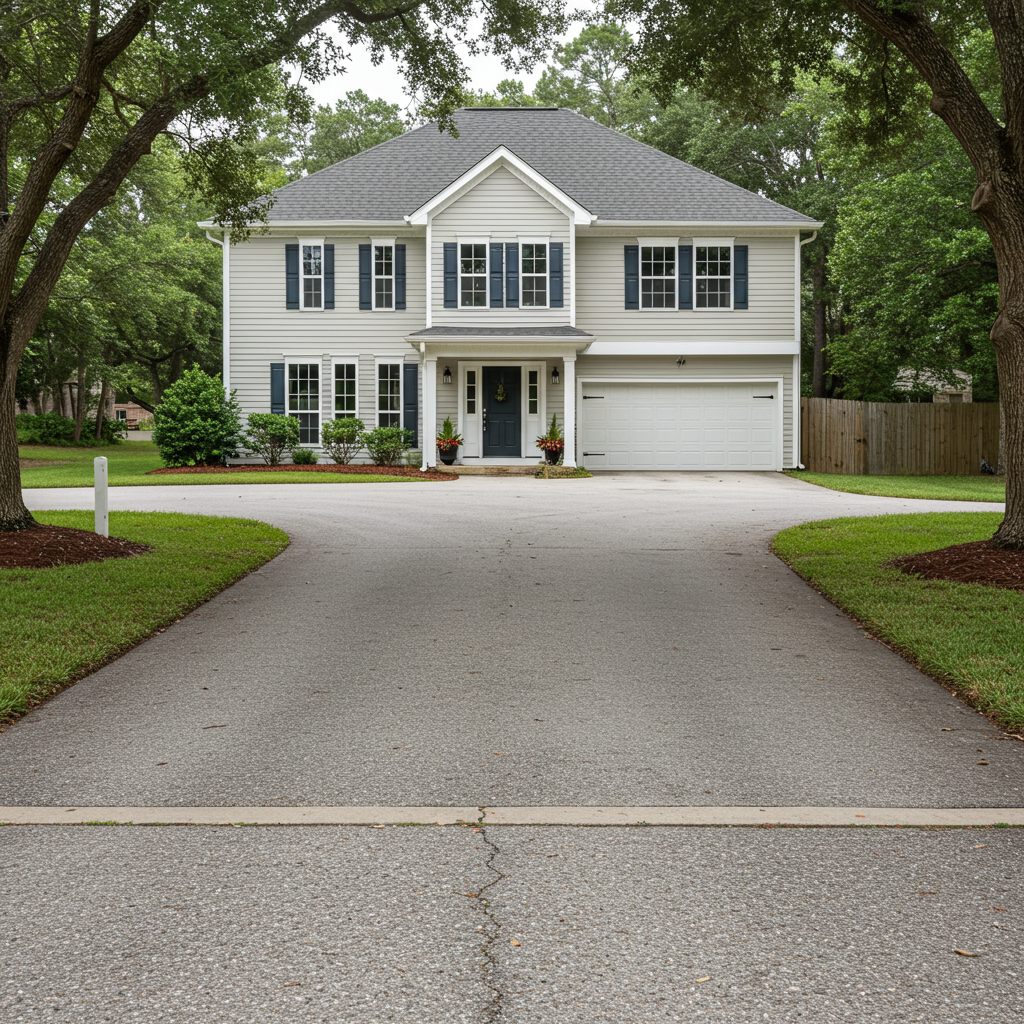
Humidity's Hidden Havoc: Protect Your Tampa Paving for Lasting Beauty
Why is Tampa's Humidity So Damaging to Pavement?
Tampa's climate is characterized by high heat and relentless humidity, creating a unique set of challenges for both concrete and asphalt paving. This constant moisture isn't just uncomfortable for residents; it's a slow but destructive force against your property's surfaces. Understanding the 'why' behind this damage is the first step in effective prevention and repair.
- Constant Moisture Absorption: Concrete is a porous material, and even asphalt, when not perfectly sealed, can absorb moisture. High humidity means that surfaces are rarely completely dry, leading to a saturation cycle. This constant dampness compromises the internal structure of the material, making it weaker and more susceptible to other forms of damage.
- Mold, Mildew, and Algae Growth: The warm, moist environment is an ideal breeding ground for biological growth. Mold, mildew, and algae don't just create unsightly green or black stains; their roots can penetrate microscopic cracks and pores, slowly expanding them and breaking down the paving material over time. These growths also make surfaces dangerously slippery, posing a significant safety hazard.
- Efflorescence and Chemical Reactions: For concrete, humidity can lead to efflorescence – the white, powdery substance that appears on the surface. This occurs when water carries soluble salts to the surface, evaporates, and leaves the salts behind. While often cosmetic, it indicates moisture movement within the concrete, which can contribute to other structural issues. Over time, continuous moisture can also accelerate other chemical reactions within the paving materials, leading to faster degradation.
- Accelerated Material Breakdown: The presence of constant moisture can leach out binders in asphalt and weaken the cement paste in concrete, reducing their structural integrity. This leads to premature cracking, crumbling, and spalling (flaking of the surface). The typical lifespan of paving can be significantly shortened without proper humidity management.
What Are the Signs of Humidity Damage on Tampa Paving?
Recognizing the early warning signs of humidity-related damage is crucial for timely intervention and preventing more extensive, costly repairs. Keep an eye out for these indicators on your Tampa property's concrete driveways, asphalt parking lots, or paver patios.
- Biological Growth: The most obvious sign is the appearance of green, black, or even pinkish stains caused by algae, mold, or mildew. These often start in shaded or poorly drained areas and can spread rapidly.
- Efflorescence: White, powdery deposits on concrete surfaces are a clear sign of moisture working its way through the material, bringing salts to the surface. While sometimes just a surface issue, it can signal deeper moisture problems.
- Hairline Cracks and Spalling: Humidity weakens paving, making it more prone to cracking. Fine, spiderweb cracks or the flaking/peeling of the top layer (spalling) can indicate that moisture has infiltrated the material and is causing it to break down.
- Soft Spots or Potholes (Asphalt): In asphalt, prolonged moisture can lead to the deterioration of the aggregate-binder bond, causing soft spots that can eventually turn into potholes as traffic wears down the weakened area.
- Uneven or Sinking Surfaces: If moisture is infiltrating the sub-base beneath your paving, it can lead to erosion or soil instability, resulting in uneven surfaces, depressions, or even sinking sections of your driveway or parking lot.
- Faded or Dull Appearance: Constant moisture exposure can strip away protective sealants and erode the surface, leading to a dull, faded look that diminishes your property's curb appeal.
How Can Tampa Property Owners Protect Their Paving from Moisture?
Proactive measures are key to safeguarding your investment in paving against Tampa's persistent humidity. Implementing a strategic maintenance plan can significantly extend the life and beauty of your surfaces.
- Ensure Proper Drainage: This is paramount. Poor drainage allows water to pool on or near paving, exacerbating humidity's effects. Ensure your property has adequate slopes to direct water away from paved areas. Consider installing French drains or catch basins in problem spots.
- Regular Cleaning: Periodically pressure washing your paved surfaces (with care, to avoid damage) can remove algae, mold, and accumulated dirt, preventing biological growth from taking hold and deteriorating the material. Use appropriate cleaning solutions designed for your paving type.
- Apply High-Quality Sealants: A good sealant acts as a protective barrier against moisture penetration. For concrete, clear penetrating sealers or topical coatings can be applied. Asphalt benefits from sealcoating, which replenishes lost binders and protects against water and UV damage. Reapply sealants according to manufacturer recommendations or every 2-5 years, depending on traffic and exposure.
- Control Surrounding Vegetation: Tree roots can buckle paving, creating pathways for moisture. Overhanging trees can also keep paving perpetually shaded and damp, promoting growth. Trim vegetation regularly and address any root intrusion issues promptly.
- Promptly Repair Damage: Even small cracks are invitations for moisture to penetrate and cause further damage. Address hairline cracks, potholes, and spalling as soon as they appear. Early intervention prevents these minor issues from escalating into major structural problems.
- Improve Air Circulation: For areas prone to constant dampness due to lack of sunlight or airflow, consider ways to improve circulation around the paving. This might involve trimming landscaping or strategically placing permeable materials.
What Materials and Designs Best Resist Humidity in Tampa?
Choosing the right materials and design elements during installation can significantly enhance your paving's resilience against Tampa's humid climate. Smart choices upfront can save you considerable maintenance and repair costs down the line.
- Permeable Pavers: These interlocking concrete or stone units are designed with gaps that allow water to filter through into a prepared sub-base, rather than running off or sitting on the surface. They drastically reduce standing water and runoff, mitigating humidity's impact on the surface itself and the surrounding environment.
- Specific Concrete Mixes: When pouring concrete, specifying a mix with a lower water-to-cement ratio (while maintaining workability) can result in a denser, less porous final product. Incorporating certain admixtures can also enhance water repellency and reduce efflorescence.
- Asphalt with Proper Compaction: A well-designed and properly compacted asphalt surface will be denser and less permeable, making it more resistant to moisture infiltration. Using high-quality aggregates and binders also plays a crucial role.
- Effective Subsurface Drainage: Regardless of the surface material, a robust subsurface drainage system is critical. This includes properly sloped grading, well-drained aggregate bases, and potentially geotextile fabrics to separate layers and prevent soil migration. This ensures any water that penetrates the surface or seeps from the sides is efficiently channeled away.
- Elevated Design: Whenever possible, design paved areas with a slight elevation above the surrounding landscape. This naturally encourages water to flow away from the paving and prevents saturation from nearby standing water or runoff.
- High-Quality Sealants Integrated into Design: Plan for regular sealant application as part of the long-term maintenance strategy. Factor in the cost and type of sealant best suited for the chosen material and local humidity levels from the outset.
When Should I Call Professionals for Humidity-Related Paving Issues in Tampa?
While some basic maintenance can be handled by property owners, many humidity-related paving problems in Tampa require the expertise of seasoned professionals. Knowing when to call in the experts can prevent costly mistakes and ensure lasting solutions.
- Persistent Drainage Problems: If you notice constant puddling, excessive runoff, or areas that never seem to dry out, your property likely has underlying drainage issues. Professionals can conduct thorough site assessments, identify problem areas, and design effective solutions like regrading, installing French drains, or creating swales.
- Extensive Biological Growth: While light mold can be cleaned, widespread or recurring black algae and mildew often indicate deeper moisture retention problems or a compromised surface that needs more than just a wash. Professionals can use specialized treatments and assess the root cause.
- Structural Damage: Large cracks, significant spalling, potholes, or uneven/sinking sections are clear indicators of structural failure, often exacerbated by humidity. These issues require professional assessment to determine if repair, resurfacing, or full replacement is the most appropriate and cost-effective solution.
- Choosing New Paving Materials/Designs: When planning a new installation or a major overhaul, a professional paving contractor in Tampa can advise on the best humidity-resistant materials and design strategies tailored to your specific property, budget, and aesthetic goals. They understand local soil conditions, climate nuances, and building codes.
- Sealant Application: While DIY sealcoating kits exist, professional application ensures even coverage, proper material selection, and adherence to best practices, maximizing the sealant's protective qualities and longevity.
- Lack of Time or Expertise: If you simply don't have the time, equipment, or knowledge to effectively address your paving's humidity challenges, entrusting the job to Tampa Concrete & Paving ensures that your property receives the expert care it needs. We bring years of experience with Tampa's unique climate to every project.
Don't let Tampa's humidity silently erode your paving investment. By understanding the risks and taking proactive steps, you can ensure your concrete, asphalt, or paver surfaces remain beautiful and functional for years to come. For expert assessment, professional maintenance, or durable new installations designed to withstand the Florida climate, contact Tampa Concrete & Paving. Our team provides tailored solutions to protect your property and enhance its value.
Need Professional Assistance?
Get a free, no-obligation estimate from our expert local team today.