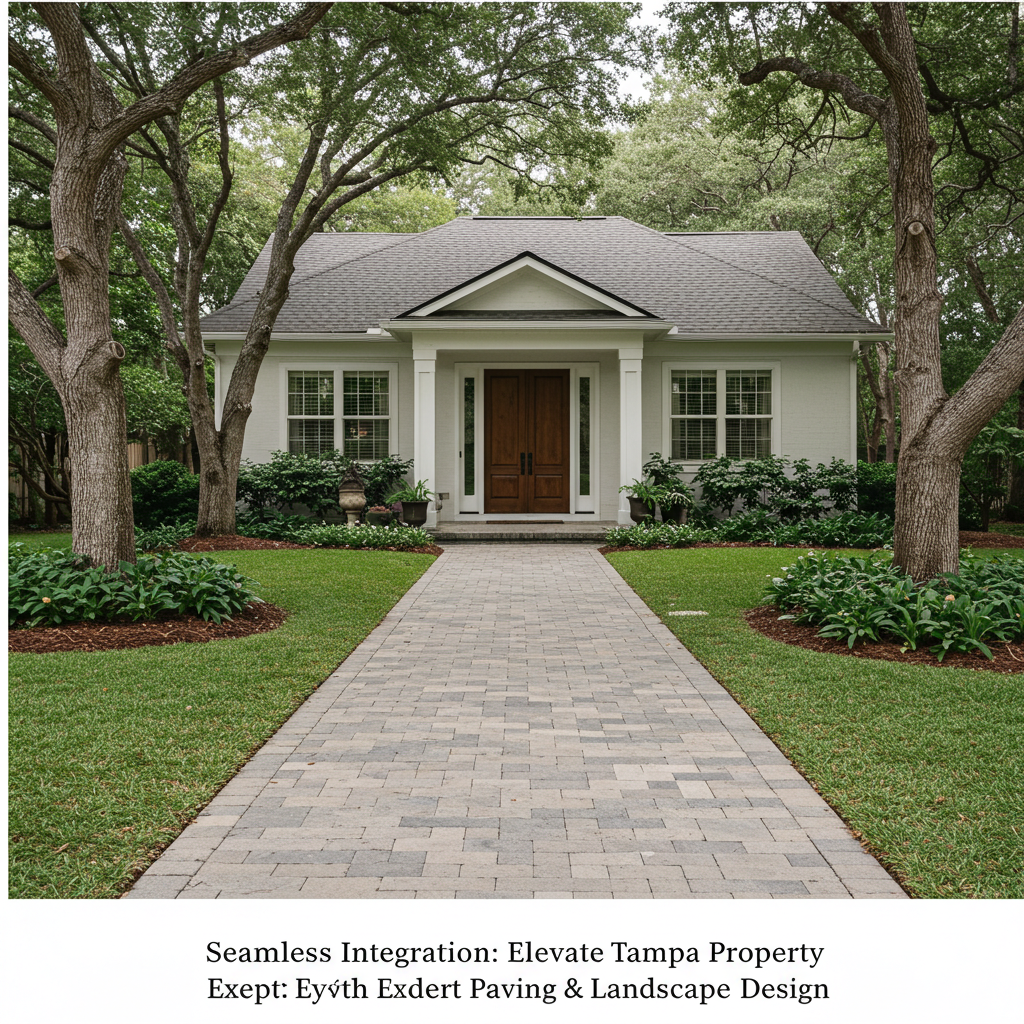
Seamless Integration: Elevate Your Tampa Property with Expert Paving & Landscape Design
Integrating thoughtful landscape design with your paving project is crucial in Tampa to ensure long-term durability and enhance property value. Proper planning considers factors like tree root growth, drainage, and sun exposure, preventing costly damage while creating a harmonious and aesthetically pleasing outdoor environment that withstands the unique Florida climate.
In Tampa, where lush greenery meets modern living, the relationship between your property's paving and landscaping is more than just superficial. A well-designed outdoor space isn't just about beautiful plants or a smooth driveway; it's about how these elements work together to create a functional, durable, and visually appealing environment. Neglecting this crucial synergy can lead to significant problems down the line, from damaged pavement to expensive drainage issues. This guide explores how to achieve a harmonious balance, ensuring your investment in both paving and landscaping pays dividends for years to come.
Why is Integrated Landscape and Paving Design Crucial for Tampa Properties?
For Tampa homeowners and businesses, understanding the interplay between landscaping and paving is paramount due to the region's specific environmental challenges. Our sub-tropical climate brings heavy rains, intense sun, and fast-growing vegetation, all of which can impact your pavement.
- Optimized Drainage: Proper landscaping can direct rainwater away from paved surfaces, preventing pooling, erosion, and undermining of the sub-base. This is vital in preventing cracks and structural failures in driveways, walkways, and parking lots.
- Root Management: Fast-growing trees and shrubs, especially those not native to Florida, can have aggressive root systems that buckle and crack concrete or asphalt over time. Integrated design helps select appropriate plant species and placement to mitigate this risk.
- Erosion Control: Landscaping helps stabilize soil around paved areas. Without proper ground cover or retaining elements, soil erosion during heavy Tampa downpours can undermine paving edges, causing collapse or uneven settling.
- Aesthetic Cohesion: Beyond function, integrated design creates a unified look. When paving and landscaping are planned together, they complement each other, enhancing curb appeal and increasing property value significantly. It transforms disparate elements into a cohesive outdoor living or working space.
By considering these factors from the outset, you lay the groundwork for a resilient and attractive property.
What are Common Landscaping Mistakes That Damage Tampa Paving?
Many property owners inadvertently contribute to paving damage through common landscaping missteps. Recognizing and avoiding these pitfalls is key to preserving your paved surfaces in Tampa.
- Improper Tree and Shrub Placement: Planting large trees or shrubs too close to driveways, walkways, or foundations is a leading cause of damage. As roots expand, they exert immense pressure, causing cracks, heaving, and uneven surfaces. Always research mature root spread before planting near paved areas.
- Poor Irrigation and Water Runoff: Over-watering lawns or garden beds adjacent to paving can saturate the sub-base, leading to settlement and cracking. Similarly, if sprinkler heads spray directly onto pavement, the constant moisture can accelerate deterioration, especially with asphalt. Ensuring sprinklers are properly aimed and drainage is adequate prevents excessive water exposure.
- Lack of Edging or Borders: Without proper edging, soil and mulch from garden beds can wash onto paved surfaces during rain, leading to debris accumulation that retains moisture and fosters weed growth in cracks. Durable borders act as a barrier, keeping landscaping materials in place.
- Chemical Runoff from Fertilizers and Herbicides: Certain chemicals used in lawn care can be corrosive to paving materials, staining concrete or softening asphalt over time if allowed to consistently run off onto the surface. Applying these products carefully and understanding their impact is essential.
- Overgrown Vegetation: Plants left to overgrow can physically abrade paved surfaces, create perpetual shade that encourages mold and mildew, or drop organic matter that degrades into corrosive substances. Regular trimming and maintenance are vital.
These seemingly minor mistakes can accumulate into significant repair costs if not addressed proactively. Tampa Concrete & Paving often sees these issues firsthand, highlighting the need for expert planning.
How Can Smart Landscape Design Boost My Tampa Property's Curb Appeal and Paving Lifespan?
Strategic landscape design does more than just look good; it actively contributes to the longevity and structural integrity of your paved surfaces in Tampa.
- Select Non-Invasive Plant Species: Opt for plants with fibrous, shallow root systems or those known to be less aggressive. For trees, consider varieties that grow slower or have deeper, less spreading roots. Place larger trees a safe distance from paved areas, typically at least 10-15 feet, depending on the mature size.
- Implement Effective Drainage Solutions: Integrate landscape features like swales, dry creek beds, or French drains to naturally divert water away from your paving. Ensure that garden beds are slightly lower than paved surfaces to prevent soil and water runoff. Permeable paving options, like interlocking pavers or porous concrete, can also integrate seamlessly with landscaping to manage stormwater effectively.
- Utilize Hardscaping for Definition and Protection: Install sturdy concrete curbs, decorative stone borders, or attractive retaining walls between garden beds and paved areas. These not only enhance aesthetics but also prevent soil migration and protect paving edges from erosion and root intrusion.
- Strategic Shading and Sun Exposure: While some shade can be beneficial for reducing pavement temperatures and slowing degradation, excessive shade can encourage moss and algae growth. Design your landscape to provide appropriate shade for comfort while still allowing enough sun exposure to keep paved surfaces dry.
- Low-Maintenance Landscaping Around Paving: Choose drought-tolerant and low-maintenance plants that require less frequent watering and pruning. This reduces the need for heavy machinery or constant foot traffic near your pavement, minimizing the risk of accidental damage.
By thoughtfully planning these elements, you create a cohesive outdoor space that is both beautiful and built to last, enhancing your property's overall appeal and value.
What Specific Considerations Should Tampa Homeowners Make for Climate-Resilient Paving and Landscaping?
Tampa's unique climate demands specific considerations when integrating paving and landscaping to ensure resilience and longevity.
- Hurricane Season Preparedness: During Florida's hurricane season, landscaping elements can become projectiles. Choose sturdy, well-rooted plants and avoid overly large, top-heavy species near paved areas. Ensure proper drainage systems can handle torrential rainfall to prevent localized flooding and sub-base erosion around your paving. Regular pruning of trees and shrubs reduces the amount of debris that could impact paved surfaces.
- Intense Heat and Sun Protection: Prolonged exposure to intense UV rays can cause asphalt to degrade and concrete to fade or crack. Incorporating strategically placed trees or pergolas with climbing vines can provide shade, reducing surface temperatures. Selecting lighter-colored paving materials can also help reflect heat. Drought-tolerant plants are essential to reduce irrigation needs.
- High Humidity and Moisture Management: Tampa's high humidity creates an environment conducive to mold, mildew, and algae growth on paved surfaces, making them slippery and unsightly. Design landscaping to allow for good airflow around paving to help it dry quickly after rain. Consider plants that don't constantly shed leaves or flowers onto pavement, as organic matter contributes to moisture retention and microbial growth.
- Salt Tolerance for Coastal Properties: If your property is near the coast, salt spray can affect both plants and pavement. Choose salt-tolerant plant species and consider how salt spray might impact the degradation of certain paving materials over time. Regular rinsing of paved surfaces can help mitigate salt buildup.
Addressing these specific climate challenges through integrated design ensures your paved surfaces and surrounding landscape remain functional, safe, and attractive year-round in Tampa.
Achieving a beautiful and durable outdoor space in Tampa requires a thoughtful, integrated approach to both paving and landscaping. By understanding the mutual impact of these elements and planning proactively, you can prevent common issues like root damage, poor drainage, and premature wear, ultimately saving time and money. For expert guidance on integrating your landscaping with new paving installations or for repairs that consider your existing greenery, trust the professionals. Tampa Concrete & Paving offers unparalleled expertise in creating resilient, aesthetically pleasing paved solutions that complement your unique Tampa property. Contact us today to ensure your outdoor investment thrives for decades.
Need Professional Assistance?
Get a free, no-obligation estimate from our expert local team today.