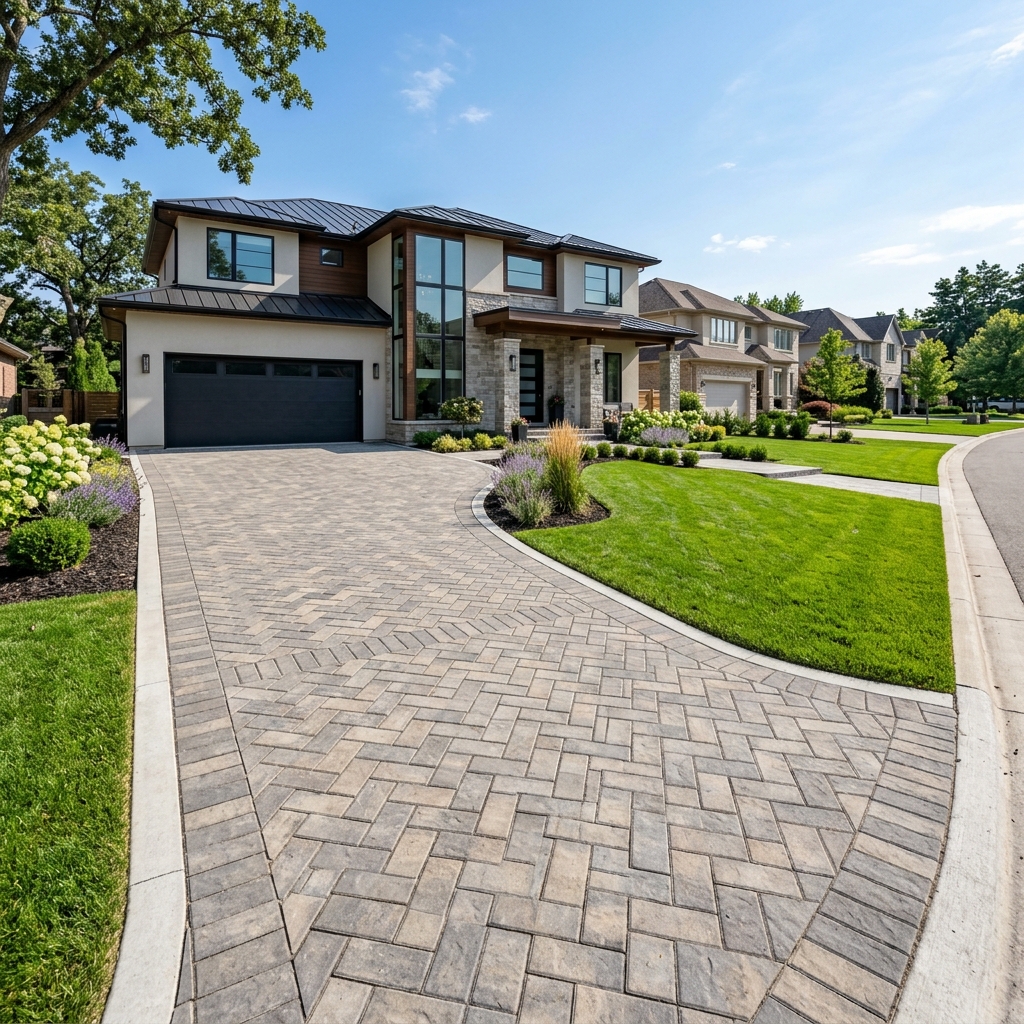
Unlock Decades of Durability: The Essential Paving Layers for Tampa Properties
The essential layers of durable paving typically include the prepared subgrade, a robust sub-base, a stable base course, and the final surface layer. Each component plays a crucial role in distributing loads, managing moisture, and providing structural integrity, especially vital for Tampa's unique soil and climate conditions, preventing common issues like cracking and settling.
In Tampa, where heavy rainfall, intense sun, and varying soil conditions are the norm, understanding the structural integrity of your pavement is not just about aesthetics – it's about longevity, safety, and return on investment. A seemingly simple paved surface, whether asphalt or concrete, is actually a sophisticated system of carefully engineered layers, each performing a vital function. Neglecting any one of these layers can lead to premature failure, costly repairs, and ongoing headaches. This guide delves into the anatomy of durable paving, explaining why each layer is crucial for optimal performance in our specific local environment.
Why is a Strong Foundation Critical for Tampa Paving?
Every successful paving project begins with a strong foundation, and in Tampa, this means a meticulously prepared subgrade. The subgrade is the natural soil directly beneath the paved surface and its supporting layers. Its quality directly impacts the overall stability and lifespan of your pavement. Tampa's unique geological makeup, often characterized by sandy soils or areas with higher clay content and a relatively high water table, poses specific challenges.
- Soil Testing: Before any work begins, professional soil testing is paramount. This assesses the soil's bearing capacity, moisture content, and composition. For example, highly expansive clay soils can swell and shrink with moisture changes, leading to pavement distortion, while loose sand offers poor support.
- Subgrade Preparation: This involves several key steps:
- Clearing and Excavation: Removing vegetation, debris, and any unsuitable organic material that could decompose and create voids.
- Moisture Management: Achieving optimal moisture content is crucial. Too dry, and the soil won't compact properly; too wet, and it loses strength. In Tampa's humid climate, proper drainage during preparation is vital.
- Compaction: Mechanical compaction (using rollers or vibratory plates) densifies the soil, removing air voids and increasing its load-bearing capacity. Proper compaction prevents future settlement, which is a common cause of cracks and uneven surfaces.
- Stabilization (if needed): For particularly weak or unstable soils, chemical stabilization (e.g., mixing with cement or lime) or mechanical stabilization (e.g., adding geogrids) may be necessary to improve strength and reduce moisture sensitivity.
A poorly prepared subgrade is a ticking time bomb for any paving project. Without adequate support, the layers above will eventually sag, crack, and fail, regardless of their quality. Investing in proper subgrade preparation is arguably the most cost-effective decision you can make for long-term pavement durability in Tampa.
What Role Do Sub-Base and Base Layers Play in Pavement Longevity?
Building upon the prepared subgrade, the sub-base and base layers are the structural workhorses of your pavement system. They act as a transition zone, distributing the heavy loads from traffic over a wider area of the subgrade and providing crucial drainage.
The Sub-Base Layer:
- Material: Typically consists of coarse, granular materials like crushed stone, gravel, or recycled concrete. The particle size distribution is critical for good interlocking and drainage.
- Primary Functions:
- Load Distribution: Spreads concentrated wheel loads from the surface layer over a larger area of the subgrade, reducing stress and preventing deformation.
- Drainage: Allows water to filter through and drain away, preventing moisture from saturating the subgrade and weakening its bearing capacity. This is exceptionally important in Tampa's high-rainfall environment to prevent hydrostatic pressure buildup.
- Protection: Acts as a buffer between the subgrade and the more rigid base course, protecting the subgrade from frost action (though less common in Tampa, moisture-related issues are still a concern) and providing an even platform.
- Compaction: Like the subgrade, the sub-base requires thorough compaction to achieve maximum density and stability.
The Base Course Layer:
- Material: A higher quality, often more uniform, crushed aggregate material than the sub-base. It can be unbound (granular) or bound (stabilized with cement or asphalt).
- Primary Functions:
- Further Load Distribution: Provides even greater structural support than the sub-base, further spreading the load before it reaches the lower layers.
- Rigid Support: Offers a stable, rigid platform for the surface layer, preventing rutting and deformation.
- Drainage: Continues to facilitate water movement away from the pavement structure.
- Strength: The base course is the primary load-bearing layer in many pavement designs, contributing significantly to the pavement's overall strength and resistance to fatigue.
- Thickness: The thickness of both the sub-base and base layers is determined by the expected traffic volume and weight, as well as the subgrade conditions. Commercial pavements, for instance, will require significantly thicker and stronger base layers than a residential driveway.
Without properly designed and installed sub-base and base layers, your pavement will lack the necessary structural support to withstand daily wear and tear, leading to premature cracking, potholes, and a significantly reduced lifespan.
How Does the Surface Layer Protect Your Pavement in Florida's Climate?
The surface layer is what you see and interact with, but its role extends far beyond aesthetics. It's the protective shield against traffic abrasion, environmental elements, and provides the necessary friction for safe use. In Tampa, this layer faces unique challenges from intense UV radiation, frequent torrential downpours, and high humidity.
Asphalt Pavement Surface:
- Composition: A mixture of aggregate (crushed stone, sand, and gravel) and asphalt binder (a petroleum-based cement).
- Flexibility: Asphalt is a flexible pavement, meaning it can withstand minor movements and deflections without cracking, making it suitable for areas with heavy traffic or slight subgrade movement.
- Layers: Often applied in multiple lifts: a binder course for strength and an upper wearing course for smoothness, friction, and resistance to traffic wear.
- Tampa Considerations: Its dark color can absorb significant heat, contributing to higher surface temperatures. Proper mix design for local temperatures is crucial to prevent premature cracking or rutting. Regular sealing and maintenance are essential to protect against UV degradation and water penetration.
Concrete Pavement Surface:
- Composition: A rigid material made from cement, aggregate, and water.
- Strength and Durability: Known for its high compressive strength and long lifespan, making it ideal for heavy-duty applications like commercial parking lots or industrial areas.
- Joints: Requires expansion and control joints to manage thermal expansion and contraction and prevent random cracking. These must be properly designed and sealed to prevent water ingress.
- Tampa Considerations: While durable against heavy loads, concrete can still be susceptible to surface spalling or pitting if not properly mixed, cured, and sealed. Its lighter color can reflect more sunlight, potentially reducing surface temperatures compared to asphalt. It offers various decorative options like stamped or colored concrete, enhancing curb appeal in our tropical environment.
Protection and Maintenance for Both:
- Sealing: For asphalt, sealcoating every few years protects against UV rays, water, and fuel spills. For concrete, a high-quality sealant repels water, prevents staining, and protects against abrasion and chemical damage.
- Drainage: The surface layer must be properly sloped to ensure efficient water runoff, preventing puddling that can lead to deterioration. This is critical during Tampa's rainy season.
- Repairs: Prompt repair of cracks or potholes prevents water infiltration, which can undermine the lower layers and accelerate overall pavement failure.
The surface layer is the first line of defense. Choosing the right material and ensuring its correct installation and ongoing maintenance are vital for maximizing its protective capabilities and extending the life of your entire paving system in Tampa's challenging climate.
When Should You Consult Tampa Concrete & Paving for Your Pavement Design?
Understanding the intricate layers of a durable paving system highlights why professional expertise is indispensable, especially in a region like Tampa with its unique environmental and soil conditions. While a basic understanding can be helpful, the nuances of soil analysis, material selection, compaction standards, and drainage design require specialized knowledge and equipment.
You should consult Tampa Concrete & Paving when:
- Planning a New Installation: For any new driveway, parking lot, or private road, from initial design to final surfacing. We ensure every layer is meticulously planned and executed.
- Facing Complex Soil Conditions: If your property has problematic soil (e.g., highly sandy, clay, or poor drainage), our experts can recommend appropriate stabilization techniques.
- Designing for Heavy Traffic: Commercial properties, industrial facilities, or busy residential areas require precise engineering to handle significant load capacities.
- Considering Different Materials: Whether you're weighing the benefits of asphalt versus concrete, or exploring decorative concrete options, we provide guidance based on your specific needs and budget.
- Experiencing Pavement Failure: If your existing pavement is showing signs of premature cracking, rutting, or settlement, a professional assessment can diagnose the underlying issues, often related to subgrade or base layer problems.
- Seeking Long-Term Value: Our focus is on building pavements that last, maximizing your return on investment through superior materials and installation practices.
At Tampa Concrete & Paving, we bring unparalleled expertise in crafting resilient paving solutions tailored to Tampa's specific climate and demands. Our team understands the critical interplay of each paving layer, ensuring your project is built on a solid foundation from the ground up. Contact us today for a consultation and let us design and construct a durable, high-performance pavement that will serve your property for decades to come.
Need Professional Assistance?
Get a free, no-obligation estimate from our expert local team today.