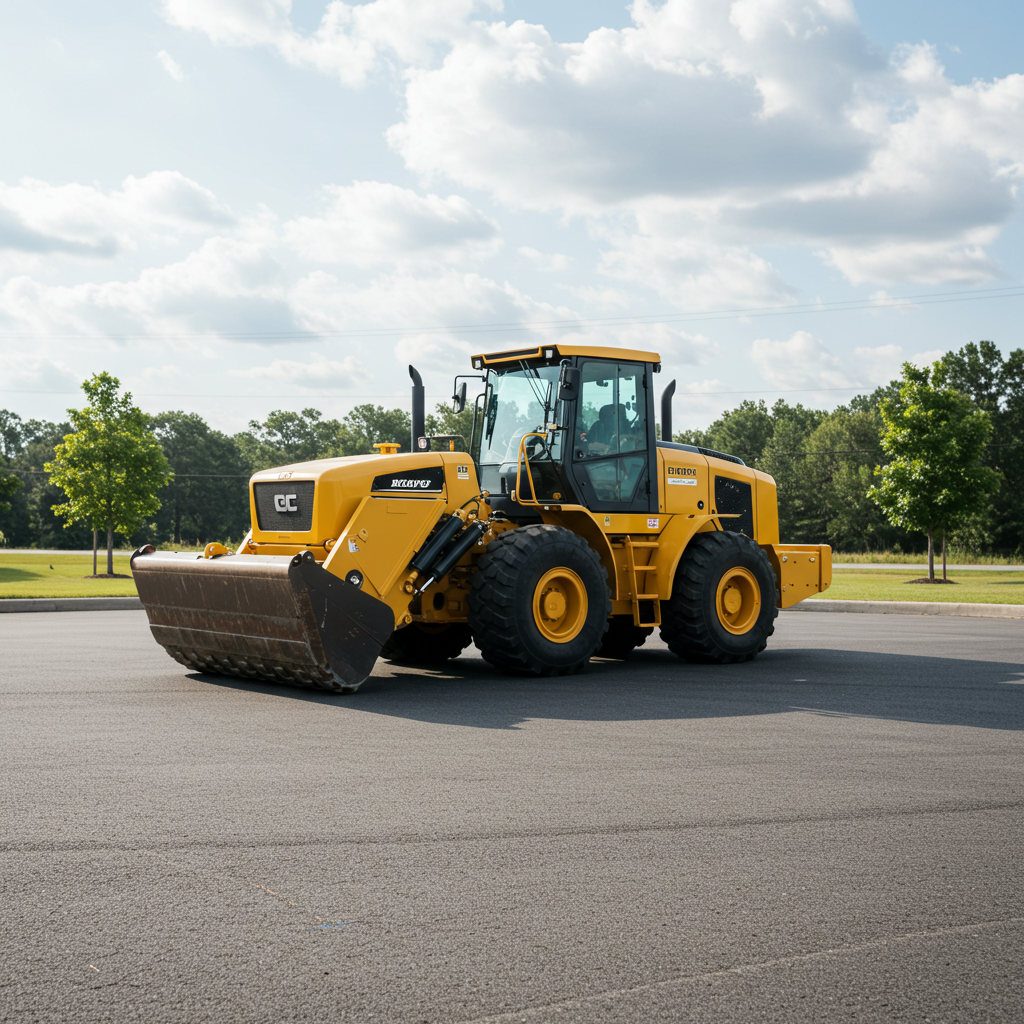
Tampa Paving: Unlock Unrivaled Durability with Expert Soil Compaction
Proper soil compaction is paramount for any successful paving project in Tampa because it creates a stable, dense, and uniform foundation that prevents future settlement, cracking, and premature deterioration of the paved surface. It enhances the load-bearing capacity of the soil, ensuring the pavement can withstand traffic and environmental stresses for decades.
Why is Soil Compaction Non-Negotiable for Tampa Paving Projects?
In the vibrant, sometimes challenging, environment of Tampa, a robust foundation is not just a recommendation; it's a necessity for any paving or concrete installation. Soil compaction, at its core, is the process of increasing the density of soil by removing air pockets and rearranging soil particles. This seemingly simple step has profound implications for the longevity and performance of your paved surfaces.
- Enhanced Stability: Properly compacted soil provides a solid, unyielding base. This prevents the shifting and sinking that can lead to an uneven surface and costly repairs down the line.
- Increased Load-Bearing Capacity: Tampa's climate means varied weather and heavy usage for commercial and residential properties. Compaction significantly boosts the soil's ability to support the weight of concrete slabs, asphalt layers, vehicles, and foot traffic without deforming.
- Reduced Water Penetration: Dense soil is less permeable. This is crucial in a high-rainfall area like Tampa, as it helps prevent water from saturating the subgrade, which can lead to expansion, contraction, and erosion – all detrimental to pavement integrity.
- Prevention of Settlement and Subsidence: Uncompacted soil will naturally settle over time, especially under load or with moisture changes. This leads to depressions, cracks, and an unsightly, unsafe surface. Proper compaction eliminates future settlement, ensuring a smooth, consistent grade.
- Improved Drainage: While reducing deep water penetration, compaction also helps ensure surface water drains away efficiently, preventing pooling that can degrade paving materials and create slip hazards.
Without adequate compaction, even the highest quality concrete or asphalt will inevitably fail, costing property owners significant time and money in repairs or early replacement. It's the invisible shield protecting your investment.
What Happens When Soil Isn't Properly Compacted in Tampa?
Neglecting the crucial step of soil compaction in Tampa's unique soil conditions is an invitation for a host of paving problems. The consequences are often severe, visible, and expensive to rectify.
- Uneven Settlement: This is perhaps the most common and visible issue. Pavement will sink in areas where the soil beneath was loose, creating dips and humps. This is not only unsightly but can also lead to pooling water and drainage issues.
- Cracking and Potholes: As the subgrade settles unevenly, the rigid paving material above it (whether concrete or asphalt) will crack under stress. For asphalt, this can quickly devolve into potholes as water infiltrates and freezes/thaws, or simply degrades the material.
- Reduced Pavement Lifespan: Uncompacted soil dramatically shortens the functional life of any paved surface. What might have lasted 20-30 years with proper preparation could fail in less than half that time, demanding premature and costly replacement.
- Subgrade Erosion: Loose soil is more susceptible to erosion from water flow. Heavy Tampa rains can wash away uncompacted soil from underneath the pavement, creating voids that further exacerbate settlement and cracking.
- Decreased Load-Bearing Capacity: Without proper compaction, the soil cannot support the intended loads. This means even regular vehicle traffic can cause structural damage much faster than anticipated.
- Safety Hazards: Uneven surfaces, cracks, and potholes create tripping hazards for pedestrians and can damage vehicles, leading to potential liability issues for property owners.
Understanding these risks underscores why professional, expert compaction is not a luxury, but a fundamental requirement for any durable paving project in the Tampa Bay area.
How Do Tampa Paving Professionals Achieve Optimal Soil Compaction?
Achieving optimal soil compaction is a science and an art, requiring specialized knowledge, equipment, and an understanding of local soil characteristics. Tampa paving professionals follow a systematic approach to ensure a rock-solid foundation.
The process typically involves:
- Site Assessment and Soil Analysis: Before any work begins, experts analyze the existing soil type (sandy, clay, loam) and its moisture content. Different soil types respond to compaction differently, and moisture levels are critical. Too dry, and it won't compact; too wet, and it becomes unstable.
- Subgrade Preparation: This involves clearing the area of debris, organic matter, and unsuitable soil. The site is then graded to the correct slope for drainage.
- Moisture Conditioning: Based on the soil analysis, water is added or allowed to evaporate to achieve the Optimal Moisture Content (OMC). This is the point at which the soil can be compacted to its maximum density.
- Layering and Compaction: Soil isn't compacted all at once. Instead, it's laid down in uniform lifts (layers), typically 6-12 inches thick, depending on the soil and equipment. Each lift is then systematically compacted using heavy machinery.
- Appropriate Compaction Equipment: The type of equipment used depends on the soil type and project scale. Common tools include:
- Vibratory Plate Compactors: Ideal for granular soils and smaller areas.
- Jumping Jacks (Rammer Compactors): Best for cohesive soils (clays) and confined spaces.
- Smooth Drum Rollers: Used for larger areas, especially for base layers of asphalt.
- Sheepsfoot Rollers: Effective for cohesive soils, as the 'feet' penetrate and compact from the bottom up.
- Density Testing: Experienced contractors don't guess. They utilize soil density tests (e.g., nuclear densometer or sand cone method) to verify that each compacted layer meets the specified density requirements (often 95-98% of maximum Proctor density). This ensures the base is uniform and sufficiently dense.
This meticulous process guarantees that the soil beneath your Tampa paving project is prepared to withstand the test of time, weather, and heavy use.
Can DIY Soil Compaction Work for Your Tampa Driveway?
The allure of a DIY project, especially for homeowners looking to save costs, is understandable. However, when it comes to critical structural elements like soil compaction for your Tampa driveway or patio, a DIY approach often leads to more problems than solutions in the long run.
- Lack of Expertise: Without an understanding of soil mechanics, optimal moisture content, and the specific needs of different soil types, it's nearly impossible to achieve proper compaction. A professional understands the nuances of Tampa's diverse soils.
- Inadequate Equipment: Rental compactors, while seemingly sufficient, often lack the power, weight, or specialized features of commercial-grade machinery. Furthermore, knowing which compactor to use for which soil type is crucial. Trying to compact clay with a vibratory plate compactor, for example, will yield poor results.
- Uneven Compaction: DIY efforts often result in inconsistent compaction – some areas might be dense, while others remain loose. This unevenness is a recipe for future cracking and settlement.
- No Density Testing: A DIYer typically lacks the tools or knowledge to perform density tests, meaning there's no way to verify if the compaction meets industry standards. You're essentially working blind, hoping for the best.
- Hidden Costs and Risks: What initially saves money can quickly become a significant expense when the pavement fails prematurely. The cost of excavating, re-compacting, and repaving far outweighs the initial savings of a DIY attempt. Moreover, improper compaction can lead to drainage issues, undermining your property.
For these reasons, entrusting your paving project's foundation to experienced Tampa paving professionals is not just about convenience; it's about securing the long-term durability, safety, and value of your investment. When it comes to the bedrock of your paved surfaces, there's no substitute for professional precision.
Ensure Your Tampa Paving Lasts with Professional Compaction
The longevity and structural integrity of any paving or concrete project in Tampa hinge significantly on one often-underestimated factor: proper soil compaction. From preventing unsightly cracks and uneven surfaces to safeguarding against water damage and extending the lifespan of your investment, the benefits of a professionally compacted base are immense.
Don't leave the foundational strength of your driveway, parking lot, or patio to chance. At Tampa Concrete & Paving, we bring unparalleled expertise, state-of-the-art equipment, and a deep understanding of Tampa's unique soil conditions to every project. We ensure your subgrade is meticulously prepared and compacted to the highest industry standards, guaranteeing a durable and stable surface for years to come.
Ready to build a foundation that truly lasts? Contact Tampa Concrete & Paving today for a consultation and experience the difference that professional quality makes.
Need Professional Assistance?
Get a free, no-obligation estimate from our expert local team today.