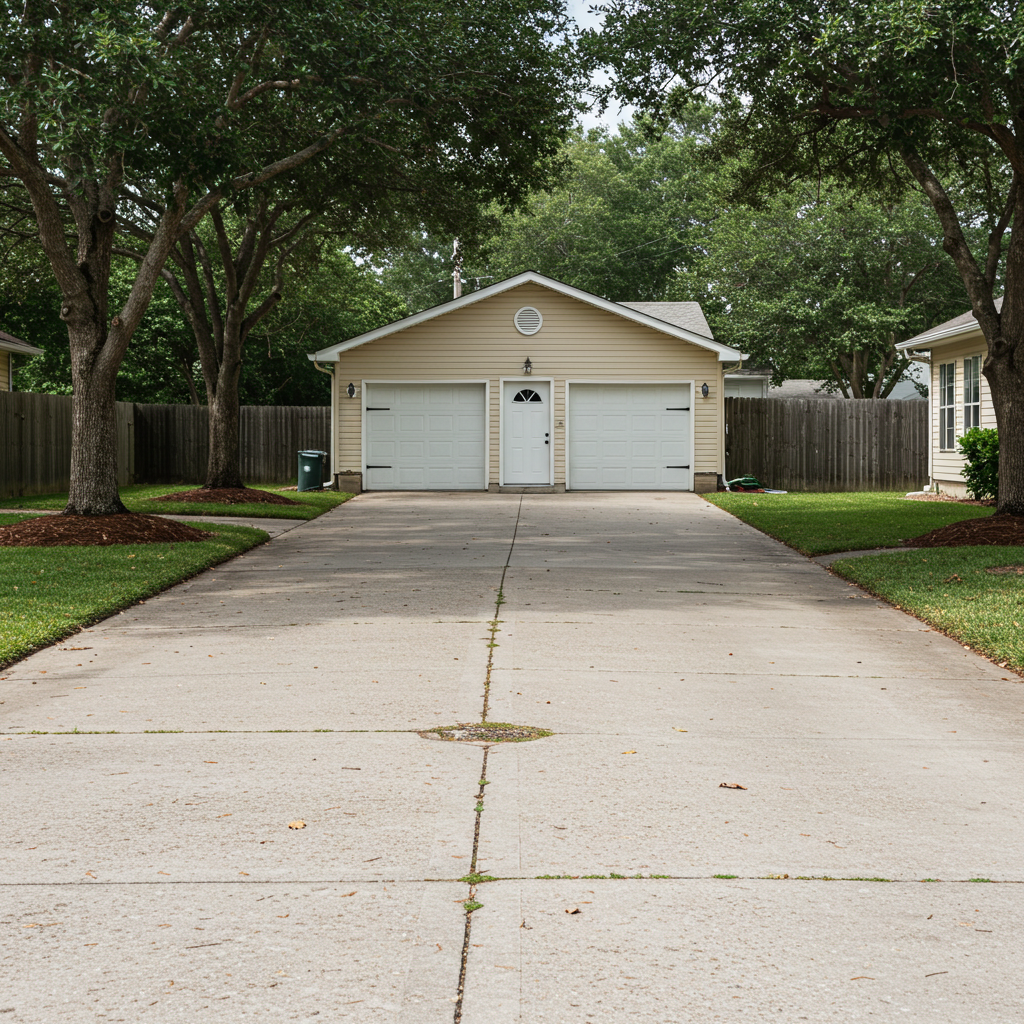
Spot Early Paving Damage in Tampa: Save on Costly Repairs & Protect Your Property
Key signs of paving damage in Tampa include alligator cracking, potholes, pooling water, uneven surfaces, and spalling. Early identification of these issues is crucial for preventing extensive and costly repairs, preserving the structural integrity and aesthetic appeal of your property's paved surfaces.
What Are the Early Warning Signs of Paving Damage in Tampa?
Paved surfaces, whether asphalt or concrete, are significant investments for any Tampa property owner. Regularly inspecting your driveways, parking lots, and walkways for early signs of damage can save you considerable time, money, and hassle in the long run. Neglecting minor issues allows them to worsen rapidly, especially under Tampa's challenging climate conditions. Here are the most common early warning signs to look out for:
- Alligator Cracking (Fatigue Cracking): These interconnected cracks resemble an alligator's skin. They indicate a failure of the sub-base or an overworked asphalt layer, often due to heavy traffic or insufficient structural support. While they might start small, they quickly spread, allowing water to penetrate deeper and accelerate deterioration.
- Linear Cracking (Longitudinal & Transverse): Longitudinal cracks run parallel to the pavement's lay direction, while transverse cracks run perpendicular. These can be caused by thermal expansion and contraction, poor construction joints, or reflective cracking from underlying layers. Even small linear cracks can be pathways for water, leading to more severe problems like potholes if left unsealed.
- Potholes: Perhaps the most recognizable sign of damage, potholes are bowl-shaped depressions that form when water infiltrates cracks, freezes (though less common in Tampa, extensive moisture weakens the sub-base), and then traffic dislodges the weakened material. In Tampa, intense rain and continuous traffic are primary culprits. They are not only unsightly but also pose significant safety hazards for vehicles and pedestrians.
- Raveling: This occurs when the aggregate (small stones) separates from the asphalt binder, leaving a rough, open texture on the surface. It's often a sign of aging pavement, poor quality mix, or inadequate compaction during installation. Raveling reduces skid resistance and accelerates further deterioration.
- Fading and Discoloration: While primarily an aesthetic issue, fading, particularly in asphalt, can indicate that the binder is losing its protective qualities due to UV exposure and oxidation. This makes the pavement more brittle and prone to cracking. Concrete can also show signs of discoloration or efflorescence, suggesting moisture issues.
- Pooling Water (Poor Drainage): Any areas where water consistently collects on your pavement after rain are a major red flag. This indicates improper grading or settlement, leading to constant saturation of the surface and sub-base. Standing water weakens the pavement, promotes crack formation, and can even compromise the foundation of nearby structures.
- Uneven Settlement/Depressions: Sinking areas or depressions, often accompanied by cracking, suggest issues with the sub-base or soil compaction. This can be due to poor preparation, expansive soils, or water erosion underneath the pavement. Uneven surfaces are tripping hazards and can cause vehicle damage.
- Spalling (Concrete): In concrete, spalling refers to the flaking or scaling of the surface, revealing the aggregate beneath. This can be caused by freeze-thaw cycles (less common in Tampa, but still a factor during colder snaps), poor concrete mix, or the use of de-icing salts. It weakens the surface and makes it vulnerable to further damage.
Why Is Early Detection Critical for Tampa Pavement & Concrete?
Ignoring minor pavement flaws is a common mistake that can lead to exponentially higher repair costs and safety risks down the line. For Tampa property owners, understanding the critical importance of early detection is key to maintaining healthy, long-lasting paved surfaces.
- Significant Cost Savings: Addressing a small crack with a simple sealcoat or crack fill is far less expensive than waiting until it becomes a large pothole requiring extensive patching or even full-depth replacement. Proactive maintenance can extend the life of your pavement by years, delaying costly reconstruction projects. Think of it as preventing a cavity versus needing a root canal.
- Enhanced Safety: Potholes, uneven surfaces, and extensive cracking are major tripping hazards for pedestrians and can cause significant damage to vehicles, including tire punctures, alignment issues, and suspension problems. Prompt repairs create a safer environment for residents, employees, and customers, reducing liability risks.
- Preservation of Curb Appeal & Property Value: Well-maintained driveways and parking lots significantly boost a property's curb appeal. A smooth, attractive surface makes a positive first impression and signals quality. Conversely, cracked, faded, or pothole-ridden pavement detracts from your property's aesthetic and can negatively impact its market value.
- Extended Pavement Lifespan: Regular inspections and timely repairs are the cornerstone of effective pavement management. By sealing cracks, filling potholes, and addressing drainage issues promptly, you prevent water penetration and sub-base erosion, which are the primary accelerators of pavement degradation. This preventative approach dramatically extends the functional life of your asphalt or concrete.
- Avoid Business Disruptions (Commercial Properties): For commercial establishments, extensive pavement damage can lead to partial or complete closure during major repair projects. Early intervention means smaller, quicker fixes that cause minimal disruption to your operations and customer access.
How Does Tampa's Unique Climate Impact Pavement Deterioration?
Tampa's climate is a double-edged sword for paved surfaces. While it avoids the extreme freeze-thaw cycles of northern regions, its own unique environmental factors present significant challenges that accelerate pavement deterioration. Understanding these impacts helps in proactive maintenance strategies.
- Intense UV Radiation and Heat: The abundant Florida sunshine, while a draw for tourism, is relentless on asphalt and concrete.
- Asphalt: High temperatures cause the asphalt binder to oxidize and become brittle. The intense UV radiation breaks down the chemical bonds in the asphalt, leading to a loss of flexibility and the characteristic fading (graying) seen on older pavements. This makes asphalt more prone to raveling and cracking.
- Concrete: While more resistant to UV than asphalt, extreme heat can contribute to thermal expansion and contraction, which puts stress on concrete slabs and joints, potentially leading to cracking. Rapid drying during curing can also affect concrete strength if not properly managed.
- Heavy Rainfall and High Humidity: Tampa experiences substantial rainfall, especially during hurricane season and summer thunderstorms.
- Water Infiltration: Cracks, even hairline ones, act as conduits for water to penetrate the pavement structure. Once water reaches the sub-base, it weakens the supporting soil, leading to settlement, rutting, and pothole formation. This is particularly problematic with Tampa's often sandy or clayey soils which can become unstable when saturated.
- Hydrostatic Pressure: Continuous saturation can create hydrostatic pressure underneath the pavement, pushing up on the surface and exacerbating existing weaknesses.
- Chemical Reactions: High humidity, combined with trapped moisture, can contribute to undesirable chemical reactions within the pavement material over time, reducing its integrity.
- Expansive Soils (in some areas): While not universal across Tampa, certain soil compositions can be expansive, meaning they swell when wet and shrink when dry. This constant movement can put immense stress on rigid pavement structures, leading to cracks and uneven settlement. Proper sub-base preparation is crucial in these areas.
- Tropical Storms and Hurricanes: Beyond daily rainfall, periodic severe weather events bring torrential downpours and high winds. These can cause immediate damage through erosion, washouts, and the dislodging of already weakened pavement sections, turning minor issues into major emergencies.
Given these environmental pressures, routine inspections and prompt repairs are not just good practice but a necessity for preserving the longevity and structural integrity of your paved assets in Tampa.
When Should You Seek Professional Paving Help in Tampa?
While identifying early signs of damage is beneficial, knowing when a problem has escalated beyond DIY fixes and requires the expertise of a professional paving contractor is equally important. Attempting to repair complex issues without the right knowledge, equipment, and materials can lead to more costly problems in the long run.
You should contact a professional paving contractor like Tampa Concrete & Paving when you observe any of the following:
- Extensive Alligator Cracking: If alligator cracking covers a large area, it almost certainly indicates a sub-base failure. This requires more than just crack filling; it often necessitates removal of the damaged section, repair of the sub-base, and repaving, which is a job for experts.
- Deep or Widespread Potholes: While small potholes might be temporarily patched, deep or numerous potholes across your property suggest a systemic issue that needs professional assessment and repair to prevent recurrence.
- Significant Rutting or Depressions: Ruts, which are channels formed in the pavement from vehicle tires, and pronounced depressions are signs of structural failure or severe sub-base issues. Professionals can diagnose the root cause and implement appropriate solutions, which may involve milling, overlaying, or full-depth repair.
- Substantial Water Pooling/Drainage Issues: If water consistently pools in large areas or near building foundations, it's a critical issue that requires a professional assessment of your drainage system and pavement grading. Solving this effectively often involves re-grading, installing new drainage solutions, or permeable paving options.
- Visible Structural Movement: Any signs of the pavement shifting, heaving, or large sections separating from each other indicate serious structural problems that could compromise the safety and integrity of the entire surface. This requires immediate professional intervention.
- Foundation Cracks Appearing Near Paved Areas: If you notice cracks in nearby building foundations that seem related to the pavement (e.g., due to water pooling or sub-base erosion), it's a critical situation. A professional can assess the interaction between your pavement and structure.
- Failing Edges or Deteriorated Joints (Concrete): Crumbling edges or wide, failing expansion joints in concrete pavement allow water intrusion and destabilize the slabs. Professional repair or replacement of these sections is crucial for concrete longevity.
- You're Unsure of the Cause or Best Solution: If you've identified damage but are uncertain about its cause or the most effective repair method, it's always best to consult with experienced professionals. They can provide a thorough inspection, accurate diagnosis, and recommend the most cost-effective, durable solution tailored to Tampa's conditions.
Don't wait for minor issues to become major headaches. Promptly addressing paving damage not only saves you money but also ensures the safety and longevity of your property's surfaces. When you need reliable, expert paving and concrete services in Tampa, turn to the proven professionals at Tampa Concrete & Paving. We offer comprehensive inspections, expert recommendations, and high-quality repairs and installations designed to withstand our unique Florida climate. Contact Tampa Concrete & Paving today for a free consultation and protect your investment for years to come.
Need Professional Assistance?
Get a free, no-obligation estimate from our expert local team today.