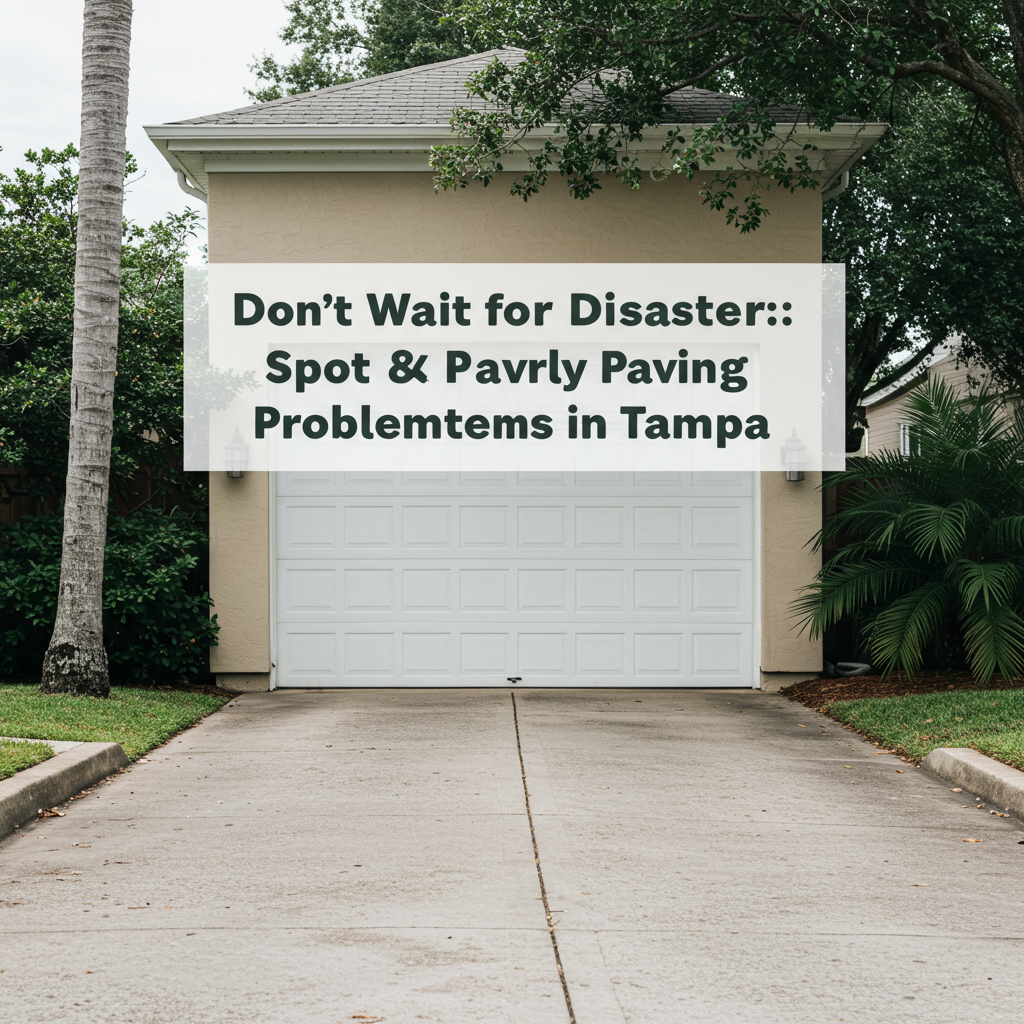
Don't Wait for Disaster: Spot Early Paving & Concrete Problems in Tampa
In the vibrant, sun-drenched city of Tampa, your property's paving and concrete surfaces endure a unique set of challenges. From relentless heat and humidity to heavy rainfalls and even occasional tropical storms, these elements constantly test the integrity of driveways, parking lots, sidewalks, and foundations. While routine maintenance is essential, understanding how to spot the early warning signs of damage is paramount. Ignoring these subtle indicators can lead to rapid deterioration, escalating repair costs, and even safety hazards. This guide will equip Tampa property owners with the knowledge to identify nascent issues, safeguarding their investment and ensuring lasting pavement performance.
Why is proactive pavement inspection critical for Tampa's climate?
Tampa's climate is a double-edged sword when it comes to pavement longevity. The very elements that make our city beautiful can also be incredibly destructive to concrete and asphalt. Intense UV radiation from the Florida sun causes materials to expand and contract, leading to stress and cracking. High humidity can contribute to moisture penetration, while heavy, sudden downpours can overwhelm drainage systems, leading to water pooling and sub-base erosion. The sandy soils prevalent in the region also mean that proper compaction and drainage are absolutely critical; any compromise can quickly lead to settlement issues. Regular, proactive inspections allow property owners to:
- Prevent minor issues from becoming major repairs: Addressing a hairline crack is far less costly and disruptive than fixing a widespread pothole or crumbling slab.
- Extend the lifespan of your surfaces: Early intervention can significantly prolong the service life of your driveways, patios, and parking lots.
- Maintain property value and curb appeal: Well-maintained surfaces contribute positively to a property's aesthetic and market value.
- Enhance safety: Early detection of trip hazards or structural weaknesses helps prevent accidents.
What subtle surface imperfections signal early concrete or asphalt issues?
Often, the first signs of trouble aren't glaringly obvious. They are subtle shifts and small imperfections that, when understood, can tell a larger story about the health of your pavement. Learning to recognize these can save you significant headaches down the line.
For Concrete Surfaces:
- Hairline Cracks: Look for very fine, barely visible cracks that appear on the surface. While some minor surface cracks are normal as concrete cures, an increase in their number or patterns (like spiderwebbing or long, linear cracks) can indicate sub-base movement, improper mix, or inadequate control joints.
- Spalling or Flaking: This refers to small, shallow pieces of concrete breaking off the surface. It can be caused by freeze-thaw cycles (less common in Tampa but possible during cold snaps), improper finishing, or exposure to de-icing salts or chemicals. Even minor spalling can expose the inner aggregate to further damage.
- Efflorescence: White, powdery deposits on the concrete surface indicate moisture is moving through the slab, dissolving soluble salts within the concrete, and depositing them on the surface as the water evaporates. This suggests potential moisture issues underneath.
- Discoloration or Staining: Beyond common oil stains, uneven color, dark patches that persist, or areas that seem to retain moisture longer than others can point to poor drainage, mold/algae growth, or even sub-surface leaks.
For Asphalt Surfaces:
- Fading or Grey Patches: Asphalt should be a rich black. As it ages and oxidizes from sun exposure, it fades to gray. Early or widespread fading suggests the protective binders are breaking down, making the asphalt brittle and prone to cracking.
- Raveling: This is when the aggregate (small stones) in asphalt starts to loosen and separate from the binder, giving the surface a rough, grainy appearance. It's an early sign of surface wear and reduced structural integrity.
- Minor Alligator Cracking: While widespread alligator cracking signals significant sub-base failure, very small, localized patches of interconnected cracks resembling alligator scales can be an early indicator of fatigue in specific areas, often due to concentrated traffic or weak spots.
How do drainage problems foreshadow major paving failures in Tampa?
Water is the single biggest enemy of pavement. Tampa's frequent and intense rainfall makes effective drainage not just important, but absolutely essential. Any issue that compromises water runoff will inevitably lead to accelerated pavement deterioration.
- Pooling Water: After a rain shower, if water remains on your paved surfaces for more than a couple of hours, it's a critical red flag. Standing water seeps into cracks, weakens the sub-base, and can lead to pothole formation in asphalt or erosion beneath concrete slabs.
- Erosion Around Edges: Look for areas where the soil or aggregate adjacent to your pavement is washing away. This indicates that water isn't draining correctly off the surface but rather eroding the supporting shoulders, which can undermine the pavement's stability.
- Moss or Algae Growth: Persistent green or black organic growth on paved surfaces, particularly in shaded areas, suggests prolonged moisture retention. This not only creates a slippery hazard but also indicates an environment conducive to water penetration and material degradation.
- Soft Spots or Depressions: If you notice areas that feel soft or spongier than the surrounding asphalt when walked or driven over, it could indicate significant water saturation and weakening of the sub-base beneath.
What other red flags indicate impending concrete or asphalt failure in Tampa?
Beyond surface imperfections and drainage, there are deeper structural issues that can manifest in various ways, signaling impending failure.
- Slight Unevenness or Settlement: If you observe areas where the pavement has subtly sunk or appears uneven, it points to sub-base settlement or localized erosion underneath. This can create trip hazards and indicate significant structural compromise.
- Upheaval or Heaving: Conversely, if sections of pavement appear to be rising or pushing upwards, this could be due to expansive soils, tree root intrusion, or hydrostatic pressure from trapped water. Heaving creates significant stress on the material and often leads to severe cracking.
- Gap Formation: Noticeable gaps forming between concrete slabs or between pavement and adjacent structures (like buildings or curbs) are clear signs of movement, settlement, or soil erosion. These gaps allow water to penetrate easily, exacerbating underlying problems.
- Crumbling Edges: The edges of driveways or parking lots, especially near heavy vehicle traffic, can start to crumble or break away. This indicates a lack of structural integrity, poor compaction during installation, or severe wear and tear.
Being vigilant and regularly inspecting your paving and concrete surfaces in Tampa can make a substantial difference in their longevity and your wallet. Identifying these early warning signs empowers you to address issues proactively, preventing minor concerns from escalating into major, costly repairs. If you spot any of these red flags, don't hesitate to seek professional guidance. The experienced team at Tampa Concrete & Paving is ready to provide expert assessment, diagnosis, and durable repair solutions. Contact us today for a comprehensive inspection and ensure your property's pavement remains safe, functional, and aesthetically pleasing for years to come.
Need Professional Assistance?
Get a free, no-obligation estimate from our expert local team today.