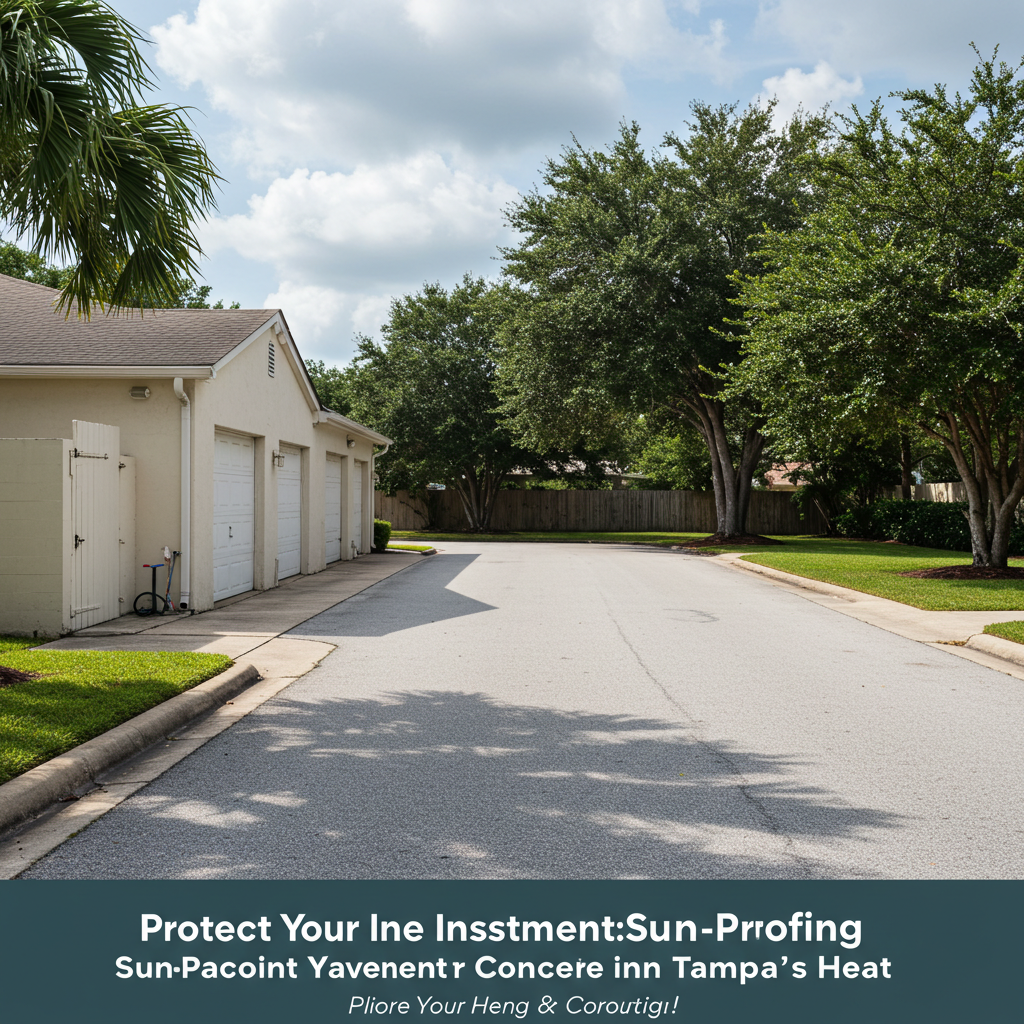
Protect Your Investment: Sun-Proofing Your Pavement in Tampa's Heat
Why Does Tampa's Sun & Heat Harm Your Pavement So Much?
Living in Tampa means enjoying abundant sunshine, but it also means dealing with extreme conditions that can significantly shorten the life of your asphalt and concrete pavements. Understanding the specific ways the sun and heat cause damage is the first step in effective protection. Paving materials, whether asphalt or concrete, are designed to be durable, but continuous exposure to Florida's intense UV radiation and soaring temperatures pushes them to their limits.
- Thermal Expansion and Contraction: Pavement surfaces absorb a tremendous amount of heat, causing them to expand. At night, as temperatures drop, they contract. This constant cycle of expansion and contraction creates stress within the material. Over time, this stress leads to fatigue, manifesting as unsightly and structurally damaging cracks. The larger the temperature differential, the greater the stress on the pavement's integrity.
- UV Degradation: Ultraviolet (UV) radiation from the sun directly attacks the chemical bonds within both asphalt binders and concrete. For asphalt, UV rays oxidize the liquid asphalt cement, causing it to harden, become brittle, and lose its flexibility. This leads to surface raveling (loose aggregate) and makes the pavement more susceptible to cracking. For concrete, while less directly affected than asphalt, UV can degrade sealers and contribute to surface spalling and dusting over many years.
- Moisture Evaporation and Drying: High heat accelerates the evaporation of moisture from pavements. In concrete, rapid drying during the curing process or later in its life can lead to surface shrinkage and shallow cracking. For asphalt, the heat can cause the lighter oils in the binder to volatilize (evaporate), leaving behind a drier, less flexible material that is prone to cracking and breaking apart.
- Color Fading and Surface Deterioration: Beyond structural damage, UV radiation and heat can cause the color of your pavement to fade, making it look dull and aged. This is particularly noticeable in asphalt, which can turn from a rich black to a faded gray. Surface deterioration also includes aggregate exposure in asphalt and a general loss of surface integrity for both materials.
What Are The Best Ways To Protect Asphalt Pavement In Tampa?
Asphalt is particularly vulnerable to the Tampa sun, but with the right proactive strategies, you can significantly extend its service life and maintain its appearance. These methods focus on mitigating UV damage and preventing the loss of vital binders.
- Professional Sealcoating: This is arguably the most critical protective measure for asphalt pavements in Tampa. A high-quality sealcoat acts like sunscreen for your driveway or parking lot. It forms a protective barrier over the asphalt surface, blocking harmful UV rays and preventing water penetration. Beyond protection, sealcoating replenishes the lost oils, restoring the asphalt's flexibility and rich black color, which also helps in heat reflection. For optimal protection in Tampa's climate, asphalt surfaces should typically be sealcoated every 2-3 years, depending on traffic and existing conditions.
- Ensure Excellent Drainage: Standing water, when combined with intense heat, can accelerate deterioration. Water trapped on the surface penetrates small cracks, and when heated, causes rapid expansion and further breakdown. Good drainage prevents pooling, ensuring water quickly runs off the pavement, minimizing its damaging interaction with the sun.
- Prompt Crack Filling: Even with sealcoating, minor cracks can appear. Filling these cracks immediately with professional-grade hot pour crack filler prevents water and debris from entering the pavement's sub-base. This stops the freeze-thaw cycle (though less common in Tampa, temperature fluctuations still occur) and prevents larger, more destructive potholes from forming due to sun and moisture ingress.
- Regular Cleaning: Keeping your asphalt surface clean from dirt, oil, and chemical spills is vital. These substances can trap heat, accelerate degradation, and degrade the asphalt binder over time. Regular sweeping and occasional power washing (with appropriate pressure) can prolong its life.
- Strategic Landscaping and Shading: Where feasible, planting trees or installing shade structures can reduce direct sun exposure, thereby lowering surface temperatures and slowing down thermal cycling and UV degradation.
How Can You Safeguard Concrete Surfaces From Florida's UV Rays?
While concrete is generally more resilient to UV rays than asphalt, it's not impervious to Tampa's sun and heat. Specific measures can significantly enhance its longevity, prevent surface issues, and maintain its aesthetic appeal.
- Apply a High-Quality Concrete Sealer: Concrete sealers are essential for protecting against moisture penetration, chemical attack, and surface abrasion. In Tampa, look for sealers that also offer UV resistance or contain UV inhibitors. Penetrating sealers soak into the concrete to provide long-lasting protection, while topical sealers form a protective film on the surface. Reapply sealers according to manufacturer recommendations, typically every 3-5 years, to maintain optimal protection.
- Ensure Proper Curing During Installation: The initial curing process for concrete is critical for its long-term strength and durability. In hot Tampa weather, concrete can dry too quickly, leading to shrinkage cracks and a weaker surface. Professional contractors use techniques like wet curing, curing compounds, or curing blankets to slow evaporation and ensure proper hydration, resulting in a stronger, more resilient slab that better withstands future sun exposure.
- Utilize Lighter Colors and Pigments: Lighter-colored concrete, whether naturally light gray or tinted with light-colored pigments, reflects more solar radiation than darker surfaces. This reduces the pavement's surface temperature, minimizing thermal expansion stress and making the area more comfortable. Decorative concrete options can offer aesthetic appeal while incorporating these heat-reflective properties.
- Implement Effective Drainage Solutions: Just like with asphalt, proper drainage is crucial for concrete. Standing water on concrete surfaces, especially when combined with intense sun, can lead to accelerated staining, moss and algae growth, and potential surface deterioration if the water penetrates existing cracks. Sloping concrete surfaces away from structures and ensuring proper run-off are key.
- Regular Cleaning and Maintenance: Concrete can accumulate dirt, grime, and organic matter. Regular cleaning with a broom, hose, or pressure washer (with care to avoid excessive pressure that can damage the surface) helps prevent these substances from trapping heat and moisture, which can accelerate wear and staining.
- Install Expansion Joints: Concrete, like all materials, expands and contracts with temperature changes. Properly installed expansion joints allow the concrete slabs to move without cracking. These are particularly vital in Tampa's climate where temperature swings, though not extreme cold, still create significant thermal movement over large concrete areas.
When Should Tampa Property Owners Consider Professional Pavement Protection?
While some basic maintenance can be done by property owners, specialized protection against Tampa's sun and heat often requires professional expertise and equipment. Knowing when to call in the experts can save you money and headaches in the long run.
- During New Pavement Installation: For new asphalt or concrete installations, engaging a professional ensures that the right materials are chosen, proper base preparation is done, and critical curing and sealing steps are executed correctly to provide maximum initial protection against the local climate.
- Signs of Early Deterioration: If you notice your asphalt fading from black to gray, developing fine hairline cracks, or showing signs of aggregate loss (raveling), it's time for professional sealcoating. For concrete, if you see dusting, spalling, or an increase in surface porosity, professional sealing or resurfacing might be necessary.
- As Part of a Regular Maintenance Schedule: Proactive maintenance is always more cost-effective than reactive repairs. A professional paving company can assess your pavement's condition annually and recommend an appropriate schedule for sealcoating, crack filling, and sealing, tailored to Tampa's environmental challenges.
- Before Major Storm Seasons: While this article focuses on sun, Florida's sun and heat often precede intense storm seasons. Ensuring your pavement is well-sealed and structurally sound before heavy rains and potential flooding can prevent more severe water-related damage.
- Uncertainty About Products or Application: There's a vast array of sealers and protective treatments available. A professional can recommend the best products suited for your specific pavement type, traffic load, and the unique challenges of the Tampa climate, ensuring proper application for maximum effectiveness.
Protecting your asphalt and concrete pavements from Tampa's relentless sun and heat is an ongoing commitment, but it's an investment that pays dividends in longevity, appearance, and avoided repair costs. By understanding the specific threats and implementing strategic protective measures, you can ensure your paved surfaces remain durable and attractive for years to come. When you're ready to ensure your property's pavement is properly protected against the Florida elements, trust the local experts at Tampa Concrete & Paving. Our team provides professional sealcoating, expert concrete sealing, and comprehensive pavement maintenance services designed to withstand Tampa's unique climate, ensuring your investment is safeguarded for the long haul.
Need Professional Assistance?
Get a free, no-obligation estimate from our expert local team today.