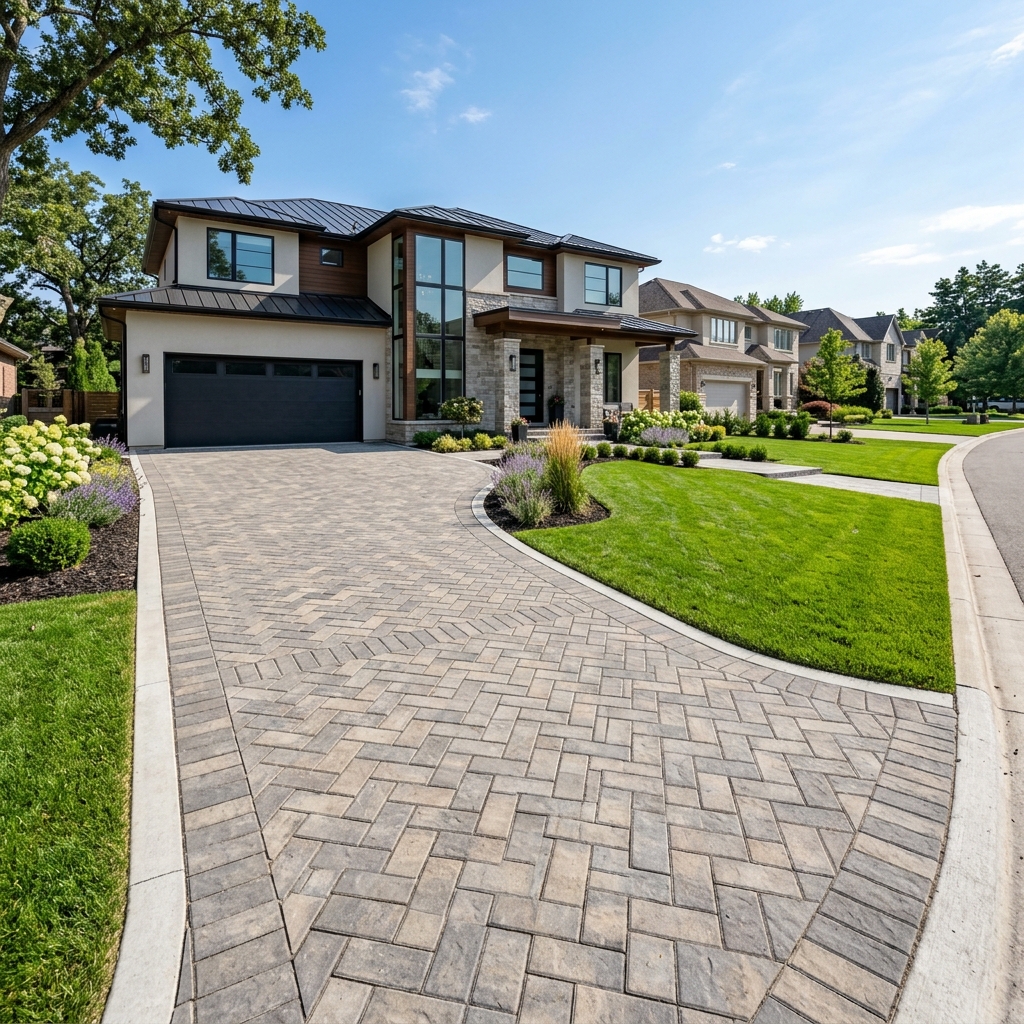
Don't Ignore That Crack: Expert Concrete Repair Solutions in Tampa, FL
Cracks in your Tampa concrete are more than just cosmetic blemishes; they are critical indicators of underlying issues that can rapidly escalate due to Florida's intense heat, heavy rainfall, and expansive soil. Prompt, professional concrete crack repair is paramount to prevent water infiltration, costly structural deterioration, trip hazards, and a significant decrease in your property's overall value. Addressing these issues swiftly ensures safety and extends the lifespan of your paved surfaces.
Why Do Concrete Cracks Appear So Frequently in Tampa, FL?
Concrete is an incredibly durable material, but it's not invincible, especially when subjected to the unique environmental stressors of Tampa, Florida. Understanding the common culprits behind concrete cracking in our region is the first step toward effective prevention and repair.
- Soil Movement and Settlement: Tampa's sandy soils, often underlaid with clay, are prone to expansion and contraction with changes in moisture content. During heavy rainy seasons, the soil can swell, putting upward pressure on concrete slabs. During dry spells, it contracts, leading to voids beneath the slab. This constant shifting creates uneven support, inevitably causing cracks.
- Extreme Temperature Fluctuations: While Tampa doesn't experience freezing winters, our intense summer heat and humidity are significant factors. Concrete expands in heat and contracts as it cools. Without proper expansion joints, this constant thermal stress leads to cracking, often visible as hairline fractures or larger, interconnected patterns.
- Excessive Moisture and Drainage Issues: Frequent heavy downpours are a staple of Tampa's weather. If your property has poor drainage, water can accumulate around and beneath concrete slabs. This erodes the sub-base, weakens the soil's load-bearing capacity, and can lead to subsidence and cracking. Water can also seep into existing cracks, freezing in colder (though rare) conditions or causing further expansion through hydrostatic pressure.
- Heavy Loads and Traffic: Driveways, parking lots, and commercial pads are designed to support certain weights. However, consistently exceeding these limits or concentrated heavy loads (like large commercial vehicles on a residential driveway) can overstress the concrete, leading to fatigue and cracking.
- Tree Root Invasion: The lush subtropical vegetation characteristic of Tampa can be beautiful, but the expansive root systems of trees and large shrubs are notorious for causing significant damage. As roots grow, they seek moisture and nutrients, exerting immense pressure on concrete slabs, lifting and cracking them from below. This is a particularly common issue in older neighborhoods with mature trees.
- Poor Installation Practices: While not a climate-specific issue, improper concrete mixing, inadequate sub-base preparation, insufficient curing, or incorrect joint placement during the initial installation are major contributors to premature cracking, often exacerbated by Tampa's environmental conditions.
Repair vs. Replace: Making the Right Decision for Your Tampa Concrete
When facing cracked concrete, one of the most critical decisions is whether to repair the existing slab or undertake a full replacement. This choice often boils down to the severity of the damage, the underlying cause, and your budget, but a professional assessment by Tampa Concrete & Paving is always recommended.
Factors to Consider:
- Crack Type and Severity:
- Hairline Cracks (Surface): Often cosmetic, caused by minor shrinkage or surface stress. These are typically repairable with sealants.
- Structural Cracks (Deep & Wide): Indicate significant underlying issues, such as sub-base failure, excessive settling, or heavy load stress. These may require more extensive repairs like epoxy injection, mudjacking, or even replacement if the structural integrity is compromised.
- Heaving/Sinking: If sections of concrete are unevenly lifted or sunken, this points to severe sub-base issues or root intrusion. Repair might involve concrete leveling (slab jacking) or extensive sub-base work.
- Age of the Concrete: Older concrete, especially if showing widespread deterioration, might be nearing the end of its service life. Repairing isolated cracks might be a temporary fix if the entire slab is brittle and weak.
- Cost-Effectiveness: Minor repairs are significantly less expensive than replacement. However, if the repairs are extensive, recurring, or fail to address the root cause, replacement may offer better long-term value. A professional estimate will clarify this.
- Desired Aesthetic: While repairs can be effective, they may leave visible patches or color variations. If a perfectly uniform appearance is a high priority, replacement might be the only option.
- Underlying Issues: If cracks are a symptom of a deeper problem like extensive soil erosion, drainage issues, or tree root invasion, these must be addressed first, whether you repair or replace. Ignoring them means the problem will likely recur.
For minor to moderate cracking, professional repair can often restore functionality and appearance at a fraction of the cost of replacement. However, for severe structural damage, widespread deterioration, or significant heaving/sinking, replacement might be the most durable and cost-effective long-term solution. Our team at Tampa Concrete & Paving can provide a detailed assessment to guide your decision, ensuring you make an informed choice for your North Tampa property.
What to Expect During a Professional Concrete Crack Repair in Tampa
When you contact Tampa Concrete & Paving for a cracked concrete issue, you can expect a systematic and professional approach designed to diagnose the problem accurately and implement a lasting solution.
The Assessment Process:
- Initial Inspection: Our expert technicians will conduct a thorough visual inspection of your cracked concrete, noting the type, pattern, width, depth, and location of all cracks. We'll also examine the surrounding area for potential contributing factors like drainage issues, soil movement, or tree roots.
- Sub-Base Evaluation: Depending on the crack severity, we may use tools to assess the stability and condition of the sub-base beneath the concrete. This helps determine if the foundation is compromised.
- Identifying Root Cause: Our primary goal is not just to patch a crack, but to understand *why* it occurred. This involves considering local climate impacts, soil conditions, traffic loads, and original installation quality.
- Detailed Proposal: Based on our findings, we'll provide a comprehensive, transparent proposal outlining the recommended repair methods, materials, estimated timeline, and a clear cost breakdown.
Common Professional Repair Methods:
- Crack Sealing & Filling: For hairline to moderate cracks, we use high-quality, flexible sealants (often polyurethane or silicone-based) to prevent water intrusion and stop further deterioration. The crack is first cleaned thoroughly to ensure adhesion.
- Epoxy Injection: For structural cracks, especially in foundations or slabs requiring strength restoration, epoxy injection is highly effective. A low-viscosity epoxy is injected into the crack under pressure, bonding the concrete sections back together and restoring structural integrity.
- Patching & Resurfacing: For spalling, crumbling, or larger surface cracks, we prepare the area, apply a bonding agent, and then use specialized repair mortars or resurfacing compounds to fill and smooth the damaged sections.
- Slab Jacking / Concrete Leveling: If cracks are accompanied by significant sinking or heaving, we may recommend slab jacking (also known as mudjacking or polyjacking). This involves drilling small holes into the concrete and injecting a grout or polyurethane foam beneath the slab to lift it back to its original level, stabilizing the sub-base and closing cracks.
- Sub-Base Repair & Drainage Solutions: In cases where the sub-base is compromised or drainage is poor, the repair may include addressing these foundational issues to prevent recurrence. This could involve adding aggregate, compacting soil, or implementing new drainage systems.
Our goal is to provide a durable, long-lasting solution that addresses both the visible damage and its underlying cause, ensuring your concrete surfaces remain safe and functional for years to come. If you're in Lutz and notice signs of cracking, don't hesitate to reach out for a professional opinion.
How Can You Help Prevent Concrete Cracks in Tampa, FL?
While some cracking is unavoidable due to environmental factors, proactive measures can significantly extend the life of your concrete surfaces and minimize the risk of severe damage.
- Ensure Proper Drainage: Direct rainwater away from concrete slabs. Ensure downspouts extend several feet from foundations and driveways. Consider regrading your landscape if water consistently pools near concrete.
- Control Tree Root Growth: Plant trees and large shrubs at a safe distance from concrete structures. If roots are already a problem, consider root barriers or professional tree trimming.
- Maintain Expansion Joints: Periodically check and clean expansion joints. If the filler material has deteriorated, replace it to allow for concrete movement.
- Avoid Overloading: Be mindful of the weight your concrete surfaces are designed to bear. Avoid parking excessively heavy vehicles on residential driveways if they are not reinforced for such loads.
- Regular Inspection: Periodically inspect your concrete for early signs of cracking. Catching small issues early can prevent them from becoming major problems.
- Professional Installation: When installing new concrete, always choose a reputable contractor like Tampa Concrete & Paving who understands local soil conditions and follows best practices for sub-base preparation, proper mix, and adequate expansion joint placement.
- Seal and Protect: Applying a high-quality concrete sealer every few years can protect the surface from moisture penetration, chemicals, and general wear, thereby extending its lifespan.
By taking these preventative steps and addressing any signs of cracking promptly, you can significantly prolong the life of your concrete surfaces and protect your investment.
Don't let cracked concrete diminish your property's appeal or pose a safety risk. For expert assessment, reliable repair, or complete replacement solutions for your residential or commercial concrete surfaces in Tampa, FL, trust the local specialists. Contact Tampa Concrete & Paving today for a free, no-obligation consultation and let us restore the integrity and beauty of your concrete. We're here to help you maintain durable and safe paved areas.
Need Professional Assistance?
Get a free, no-obligation estimate from our expert local team today.