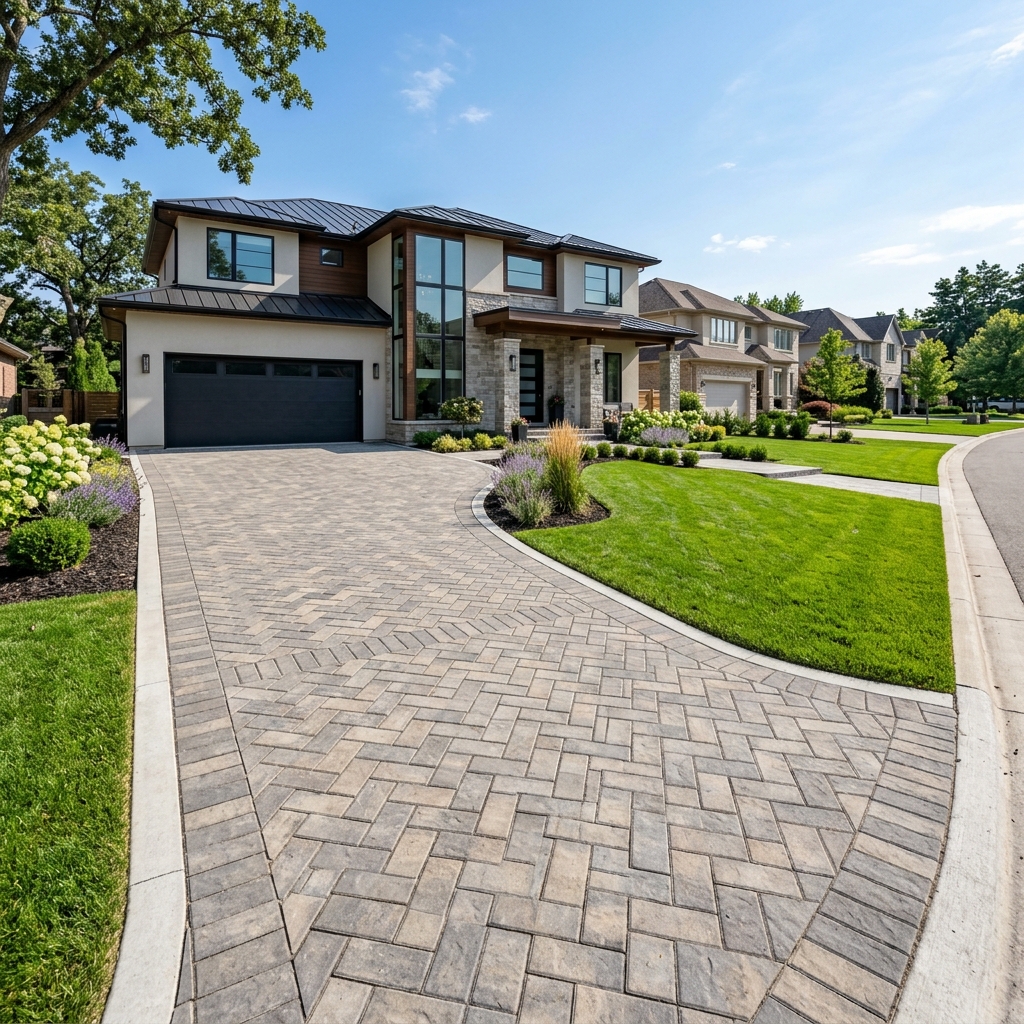
Identify Critical Concrete & Paving Issues: When to Act in Tampa, FL
As a property owner or manager in Tampa, FL, the integrity of your concrete and paved surfaces is paramount. From driveways and parking lots to sidewalks and foundations, these structures are constantly exposed to Florida's intense sun, torrential downpours, and expansive soils. While some wear and tear are normal, certain signs indicate a critical problem that demands immediate professional attention. Ignoring these warning signs can lead to escalating damage, significant repair costs, safety hazards, and even structural compromise to adjacent buildings. Understanding what constitutes a 'critical issue' and when to call the experts at Tampa Concrete & Paving can save you time, money, and stress.
What Are the Common Critical Paving & Concrete Issues in Tampa?
Tampa’s unique environment presents specific challenges for concrete and asphalt. Our team at Tampa Concrete & Paving has decades of experience identifying and rectifying these regional concerns:
- Extensive Alligator Cracking: This pattern, resembling alligator skin, indicates severe fatigue and failure of the asphalt's base layer. It's not just cosmetic; it means the subgrade can no longer support the surface, and water is likely infiltrating and compromising the foundation. In Tampa, heavy traffic loads combined with poor drainage often accelerate this process.
- Significant Settlement and Depressions: If you notice large areas of your pavement sinking or developing deep depressions, it's a major red flag. This often points to unstable subgrade, soil erosion (common during our rainy seasons), or inadequate compaction during initial construction. These areas can collect water, exacerbating damage and creating trip hazards.
- Potholes and Washouts: Beyond minor potholes, deep, extensive potholes that form rapidly or areas where the base material has clearly washed away indicate severe subgrade erosion. This is particularly prevalent in areas with poor drainage and high water tables, which are common in many parts of Tampa Bay.
- Heaving and Uneven Surfaces: Pavement that buckles upwards or becomes severely uneven can be caused by tree root intrusion (a constant battle in Florida’s lush landscape), expansive clay soils reacting to moisture changes, or frost heaving (less common but still possible in rare cold snaps impacting shallow foundations). Such heaving creates significant tripping hazards and can stress surrounding structures.
- Severe Spalling and Scaling: Concrete spalling (flaking or chipping of the surface) or scaling (surface deterioration) when extensive, indicates poor concrete mix, improper finishing, or damage from de-icing salts (though less common in Tampa, it can occur with specific chemical exposures) or repeated freeze-thaw cycles. In Tampa, constant sun exposure and heavy rain can also weaken the surface, leading to more rapid degradation.
- Cracks Extending to Foundations: If cracks in your driveways, sidewalks, or patios begin to extend towards or into your building’s foundation, this is an urgent structural concern. It suggests significant ground movement or foundation issues that require immediate investigation to prevent costly structural damage to your property.
How Do I Know if My Pavement Damage is Urgent or Cosmetic?
Distinguishing between minor wear and a critical structural problem is key to timely intervention. Here’s how to tell the difference:
Urgent Concerns Requiring Immediate Action:
- Widespread Alligator Cracking: Covering more than 25% of a section.
- Potholes > 6 inches in diameter or > 2 inches deep: These are significant vehicle hazards and trip risks.
- Standing Water (Ponding) after 24 hours: Indicates severe drainage issues and potential subgrade erosion.
- Cracks with > 1/2 inch differential in height: These create dangerous tripping hazards and indicate severe settlement.
- Visible "spiderweb" or "map" cracks across concrete slabs: Often a sign of subgrade failure or concrete shrinkage due to improper curing.
- Deep, wide cracks (over 1/4 inch wide and deep): Allow significant water penetration, leading to further damage.
- Any crack where vegetation is growing vigorously: Signals deep-seated moisture and potential root issues.
- Bumpy or "washboard" surfaces: Indicates subgrade instability under asphalt.
Cosmetic Issues (Monitor, but Not Immediately Critical):
- Hairline cracks (less than 1/8 inch wide) that are not moving: Common in concrete due to curing and thermal expansion/contraction. These should be sealed eventually but aren't urgent.
- Minor discoloration or surface staining: Generally aesthetic, unless caused by leaks or spills that indicate another problem.
- Small, isolated chips or spalls: Can be repaired, but don't typically compromise structural integrity immediately.
- Fading of asphalt color: Normal UV degradation; can be addressed with sealcoating for longevity.
When in doubt, it’s always best to consult with a professional. The cost of a timely inspection is minimal compared to the expense of neglected, critical repairs.
What Happens During a Professional Paving & Concrete Inspection in Tampa?
At Tampa Concrete & Paving, our inspection process is thorough, transparent, and designed to provide you with a clear understanding of your property's needs. Whether your property is in Carrollwood or elsewhere in the Tampa Bay area, our approach is consistent and comprehensive:
- Initial Consultation & Site Visit: We'll discuss your concerns, observe the problem areas firsthand, and gather initial details about the history of the pavement or concrete.
- Detailed Visual Assessment: Our experienced technicians will systematically inspect all paved and concrete surfaces. We look for patterns in cracking, signs of settlement, drainage issues, erosion, and the overall condition of the material. We pay close attention to areas around drainage systems, building foundations, and landscaping elements.
- Subsurface Evaluation (When Necessary): For critical issues, it's often essential to understand what's happening beneath the surface. This may involve observing water flow patterns, assessing soil types, or even recommending core samples or ground-penetrating radar to evaluate subgrade stability and base layer integrity.
- Root Cause Identification: We don't just identify the symptoms; we diagnose the underlying causes. Is it poor drainage? Expansive soils? Tree root encroachment? Heavy loads? We provide an expert opinion on why the damage occurred.
- Photographic Documentation: We document all findings with photographs to ensure clarity and provide a visual record of the current condition.
- Detailed Report & Recommendations: You'll receive a comprehensive report outlining our findings, identifying critical issues, and explaining the root causes. Crucially, we'll provide clear, actionable recommendations for repair, replacement, or maintenance.
- Transparent Quote: We provide a detailed, itemized quote for the recommended services, ensuring you understand the scope of work and associated costs.
Repair vs. Replace: Making the Right Decision for Your Tampa Property
Deciding whether to repair or fully replace damaged concrete or asphalt is a significant investment decision. Our experts at Tampa Concrete & Paving will guide you through this process, considering several key factors:
- Extent and Severity of Damage: If damage is localized and hasn't compromised the entire structural integrity, repair is often a viable and cost-effective option. However, widespread subgrade failure, extensive alligator cracking, or deep-seated heaving often necessitate full replacement for a lasting solution.
- Age and Remaining Lifespan: Consider the age of your pavement. If it's nearing the end of its expected service life (typically 15-20 years for asphalt, 20-30+ for concrete), even extensive repairs might only offer a temporary fix, making replacement a more prudent long-term investment.
- Budget vs. Long-Term Value: While repair is initially less expensive, repeated minor repairs over a short period can quickly accumulate. A full replacement, while a larger upfront cost, offers a completely renewed surface with a longer lifespan and potentially lower maintenance costs in the future. We'll help you analyze the cost-benefit for your specific situation.
- Desired Aesthetics and Curb Appeal: For commercial properties or residential homes focused on resale value, a full replacement often provides a superior aesthetic finish compared to patching and repairing.
- Safety and Liability: Critical issues like severe settlement or large potholes pose significant safety risks. If these are widespread and difficult to truly remedy with repairs, replacement ensures a uniformly safe surface, reducing your liability.
- Drainage Issues: If existing drainage problems are contributing to widespread damage, a full replacement project allows for a comprehensive redesign and installation of proper drainage solutions, which is often difficult to achieve with simple repairs.
Our team, serving communities like Wesley Chapel and beyond, is committed to providing honest, unbiased assessments. We prioritize solutions that deliver the best long-term value and safety for your specific Tampa property.
Preventing Future Critical Damage in Tampa's Challenging Environment
Proactive measures are your best defense against critical paving and concrete issues:
- Regular Professional Inspections: Annual or bi-annual inspections by experts can catch minor issues before they escalate.
- Timely Minor Repairs: Don't let small cracks become large ones. Prompt crack filling and pothole patching are essential.
- Effective Drainage Solutions: Ensure your property has proper grading and functioning drainage systems to divert stormwater away from paved surfaces and foundations.
- Sealcoating (for Asphalt): Regular sealcoating protects asphalt from UV rays, water penetration, and oxidation, extending its lifespan significantly.
- Tree Root Management: Install root barriers or manage landscaping to prevent roots from encroaching under pavement.
- Quality Materials & Installation: When installing new pavement, always ensure high-quality materials and professional installation methods suitable for Florida's climate.
Don't wait for a critical issue to become an emergency. If you've observed any of the warning signs discussed, or if you simply want a professional assessment of your concrete and paving in Tampa, FL, contact Tampa Concrete & Paving today. Our local experts are ready to provide reliable inspections, honest recommendations, and durable solutions to protect your investment for years to come. Call us for a consultation and experience the difference of local expertise and quality craftsmanship.
Need Professional Assistance?
Get a free, no-obligation estimate from our expert local team today.