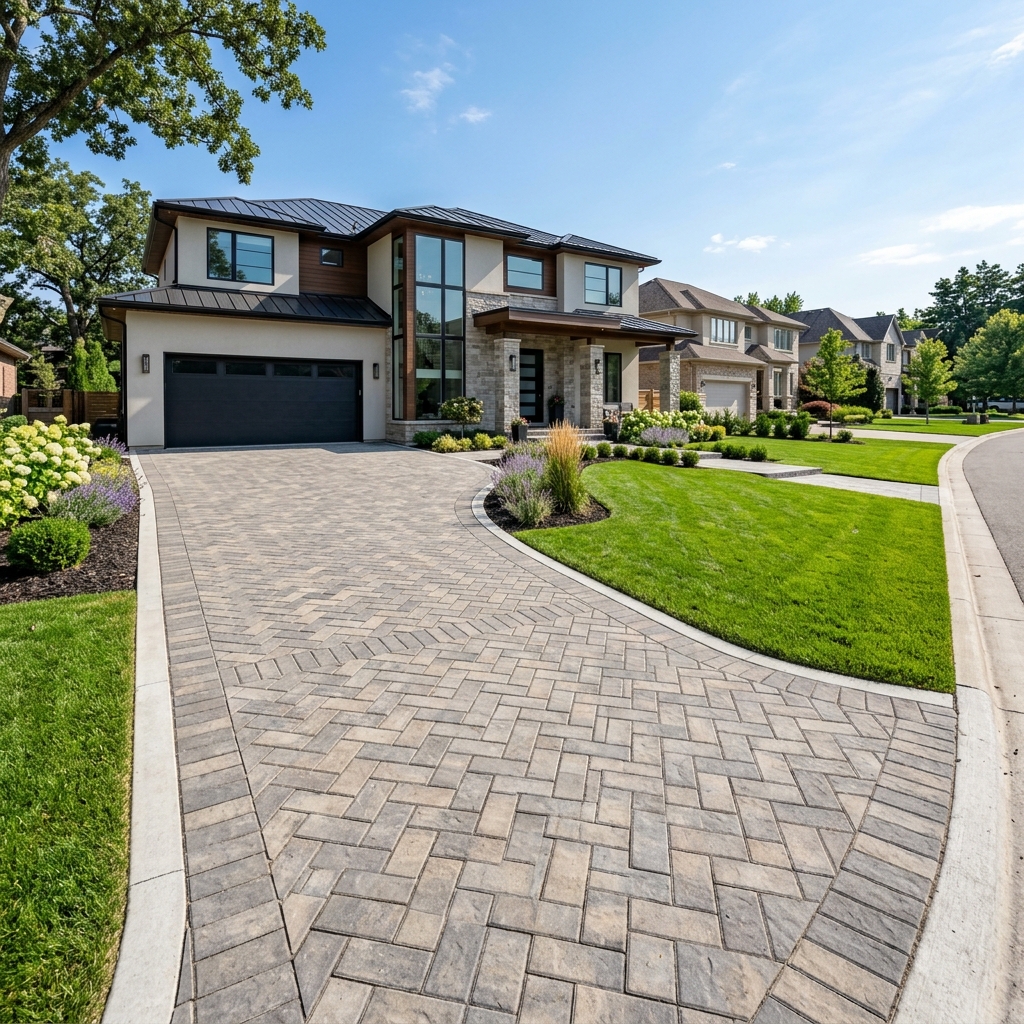
Cracked Driveway? Spot the Signs of Concrete Damage & Repair Costs in Tampa, FL
Identifying concrete damage early in Tampa, FL, is crucial for safety and preventing costly repairs. Minor cracks, spalling, or uneven sections often indicate underlying issues like soil erosion or tree root intrusion, which require professional assessment to determine the most effective and economical repair solution. Acting quickly can save property owners significant time and expense in the long run.
Your concrete surfaces—driveways, patios, sidewalks, and foundations—are vital components of your Tampa property. They endure constant exposure to the unique challenges of Florida's climate, from torrential rains and scorching sun to shifting soils and pervasive tree roots. Over time, these elements can take a toll, leading to various forms of damage. Recognizing these signs early is the first step toward effective mitigation and maintaining the structural integrity and aesthetic appeal of your home or business.
What Are the Common Signs of Concrete Damage in Tampa, FL?
Concrete is incredibly durable, but it's not invincible. In Tampa's subtropical environment, specific types of damage are prevalent. Understanding these indicators can help you decide when it's time to call in the professionals at Tampa Concrete & Paving.
- Hairline Cracks: While some minor shrinkage cracks are normal, if they begin to lengthen, widen, or form intricate patterns, they may signify underlying issues.
- Spiderweb or Alligator Cracks: These extensive, interconnected cracks often suggest sub-grade failure, inadequate base support, or heavy loads exceeding the concrete's capacity.
- Structural Cracks: Cracks that extend through the entire slab, especially those that are wide (1/4 inch or more) or show significant vertical displacement, are serious. They can indicate foundational shifts, severe settlement, or structural compromise.
- Spalling and Pitting: Spalling refers to the flaking or chipping of the concrete surface, while pitting involves small, crater-like depressions. These are often caused by freeze-thaw cycles (though less common in Tampa, surface moisture can still cause issues), improper finishing, or exposure to de-icing salts or harsh chemicals.
- Uneven Slabs, Heaving, or Settlement: If sections of your concrete driveway, patio, or sidewalk are noticeably higher or lower than adjacent sections, this is a clear sign of sub-grade instability. This can be due to soil erosion, expansive clay soils absorbing water and expanding, or tree root growth underneath the slab. Uneven surfaces are not only unsightly but also significant trip hazards.
- Ponding Water: Any area where water consistently pools on your concrete surface after rain indicates a drainage problem or uneven settlement. This can exacerbate existing damage and lead to further erosion beneath the slab.
- Discoloration or Stains: While not always structural, persistent dark patches, mildew growth, or unexplained stains can point to moisture retention issues or poor surface permeability.
Why Does Concrete Damage Occur So Frequently in Tampa?
Tampa's unique geographical and meteorological characteristics contribute significantly to concrete wear and tear:
- Expansive Clay Soils: Many areas in Florida, including parts of Tampa, have soils with high clay content. These soils absorb water and expand when wet, then contract when dry, creating significant movement beneath concrete slabs.
- Heavy Rainfall and Humidity: Our rainy season brings intense downpours. Poor drainage allows water to saturate the sub-grade, leading to erosion and weakening of the base support. High humidity can also affect concrete curing and long-term durability.
- Tree Root Intrusion: Tampa's lush canopy means abundant trees. Their roots aggressively seek moisture and can grow under and lift concrete slabs, causing severe heaving and cracking. This is a very common issue across communities like Riverside Heights.
- Substandard Installation: While professional installations account for local conditions, some older or poorly installed concrete may suffer from insufficient sub-grade compaction, incorrect concrete mix, or improper curing, leading to premature failure.
- High Water Table: The relatively high water table in many parts of Tampa can lead to hydrostatic pressure building up under slabs, pushing them upwards or causing moisture intrusion.
Repair vs. Replace: Making the Right Decision for Your Tampa Property
When you observe concrete damage, a critical decision arises: repair the existing concrete or opt for a full replacement? This choice hinges on the type, extent, and underlying cause of the damage, as well as your budget and long-term goals.
When to Consider Repair:
Minor to moderate damage can often be effectively and economically repaired. This includes:
- Hairline and minor non-structural cracks: Can be sealed with specialized epoxy or polyurethane crack fillers to prevent water intrusion and further deterioration.
- Surface imperfections like spalling or pitting: Can be addressed with concrete resurfacing (applying a thin, durable polymer-modified cementitious overlay) or grinding.
- Slightly uneven slabs (up to a few inches of displacement): Techniques like mudjacking or slabjacking (injecting a slurry or polyurethane foam beneath the slab) can lift and level the concrete without requiring demolition. This is a cost-effective solution for many homeowners and businesses in Tampa.
When Replacement Might Be Necessary:
More severe damage often warrants a complete removal and replacement of the concrete slab. This includes:
- Extensive structural cracking: If cracks run deep, show significant vertical displacement, or cover a large portion of the slab, the concrete's structural integrity may be compromised beyond repair.
- Severe heaving or settlement: When the sub-grade is extensively damaged, or slabs have shifted by several inches, replacement allows for proper sub-grade preparation and compaction.
- Alligator cracking across large areas: This often signifies a complete failure of the base material, necessitating removal and rebuilding from the ground up.
- Deterioration due to age or poor quality: Very old concrete that is crumbling, pitted, and spalling over its entire surface may simply have reached the end of its lifespan.
Understanding Concrete Repair Costs in Tampa, FL
The cost of concrete repair in Tampa can vary significantly based on several factors. Getting a professional, on-site estimate is always the best approach, but here's what typically influences pricing:
- Type of Damage: Simple crack filling is far less expensive than slabjacking or a complete replacement.
- Extent of Damage: Repairing a few linear feet of cracks is cheaper than resurfacing an entire driveway.
- Repair Method: Mudjacking/slabjacking generally costs less than full replacement but more than basic crack repairs. Resurfacing falls somewhere in the middle.
- Accessibility: Areas difficult to access with equipment or requiring extensive manual labor may incur higher costs.
- Materials: The specific type of repair material (e.g., epoxy, polyurethane foam, polymer overlays) and concrete mix can affect the total price.
- Permitting (if required): For larger jobs or structural repairs, permits from the City of Tampa may be necessary, adding to the overall cost and timeline.
While precise figures require an inspection, expect basic crack repairs to start from a few hundred dollars, while slab leveling can range from $800 to several thousand, and full replacements can easily reach $5,000 to $15,000+ depending on the size and scope.
What to Expect During a Professional Concrete Inspection and Repair Service
When you contact Tampa Concrete & Paving, our process is designed to be thorough, transparent, and tailored to your specific needs:
- Initial Consultation & On-Site Assessment: A skilled technician will visit your Tampa property to conduct a comprehensive inspection. We'll identify the type and extent of damage, assess the underlying causes (e.g., soil conditions, drainage issues, tree roots), and discuss your concerns and goals.
- Detailed Proposal: Based on the assessment, we'll provide a detailed, written proposal outlining the recommended repair methods, materials to be used, project timeline, and a clear, itemized cost estimate.
- Site Preparation: Before any work begins, the area will be prepared. This may involve cleaning the surface, marking utility lines, and ensuring a safe work environment.
- Expert Repair Execution: Our team utilizes industry-leading techniques and high-quality materials. Whether it's precise crack injection, advanced slabjacking using polyurethane foam, or professional resurfacing, we ensure the work is done to the highest standards. We also offer expert paving and concrete services to surrounding areas like St. Petersburg, bringing the same level of quality and professionalism.
- Quality Control & Cleanup: Upon completion, we conduct a final quality check to ensure the repair meets our stringent standards and your expectations. The work area will be thoroughly cleaned, leaving your property neat and tidy.
- Follow-Up: We stand by our work and are available for any follow-up questions or concerns you may have after the project is complete.
Don't let concrete damage detract from your property's value or create safety hazards. Early detection and professional intervention are key to preserving your investment. If you've noticed any of the signs of damage discussed above, don't hesitate to reach out.
Contact Tampa Concrete & Paving today for a comprehensive inspection and a free, no-obligation estimate on your concrete repair needs in Tampa, FL. Protect your property with expert local service!
Need Professional Assistance?
Get a free, no-obligation estimate from our expert local team today.