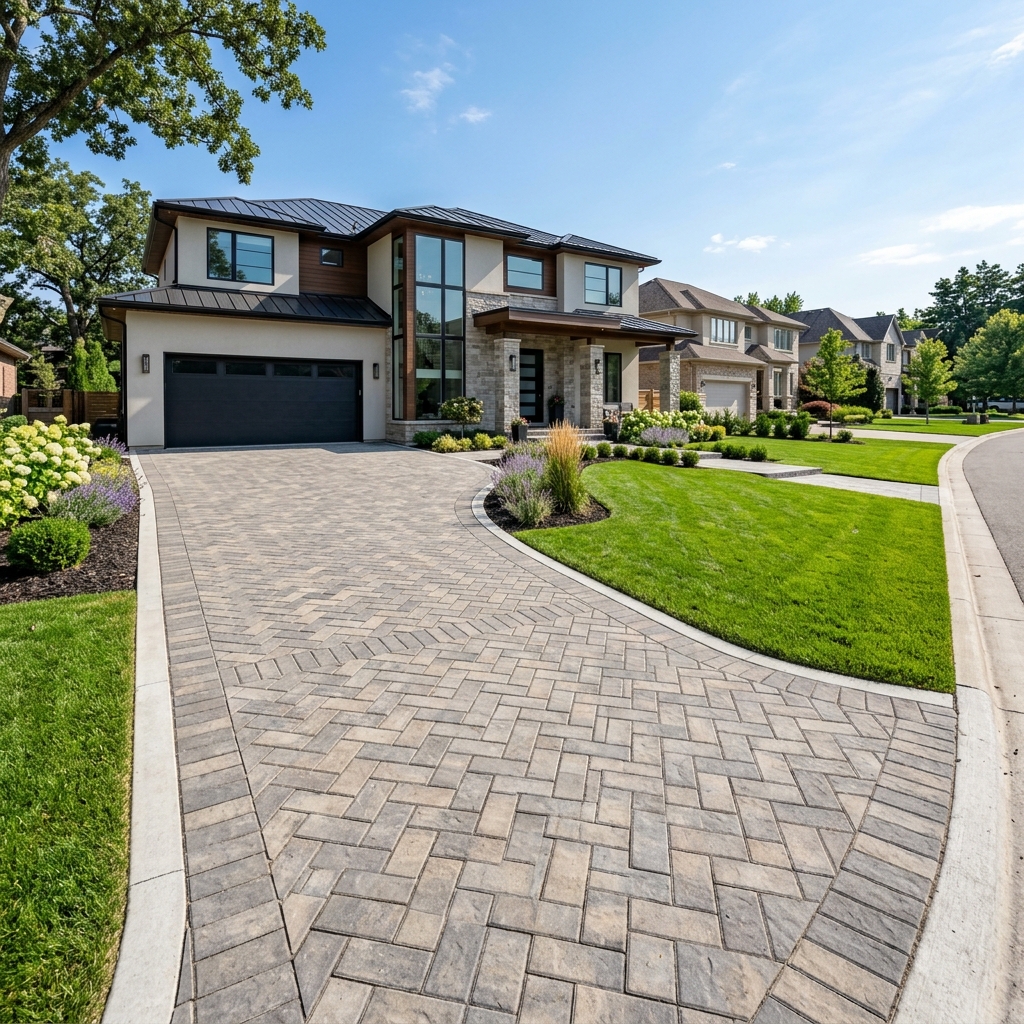
Cracked Concrete in Tampa, FL? Know When to Repair, Replace, or Prevent Damage
In Tampa, FL, determining whether to repair or replace cracked concrete depends on the crack's type, depth, and underlying cause. Minor hairline cracks can often be effectively repaired with professional sealing to prevent water damage. However, wider, deeper, or structurally compromising cracks, especially those creating trip hazards, typically necessitate replacement to ensure long-term safety and prevent future costly structural problems.
What Causes Concrete to Crack in Tampa's Unique Climate?
Concrete is an incredibly durable material, but even the strongest slabs are susceptible to cracking, especially in a dynamic environment like Tampa, FL. Understanding the root causes is crucial for effective diagnosis and repair. Our region's specific conditions play a significant role:
- Thermal Expansion and Contraction: Tampa experiences substantial temperature fluctuations, albeit less extreme than northern climates. The constant cycle of heating during the day and cooling at night causes concrete to expand and contract. Without adequate control joints or proper installation, these movements can induce significant stress, leading to thermal cracks.
- Soil Movement and Subgrade Issues: Florida's diverse soil types, ranging from sandy loam to more expansive clays, can shift due. Poor subgrade compaction during installation or natural soil erosion due to heavy rains can lead to voids beneath the concrete. When the slab loses support, it cracks under its own weight or applied loads.
- Moisture and Hydrostatic Pressure: Tampa's high humidity and frequent, heavy rainfall contribute to moisture saturation in the soil beneath concrete slabs. This can lead to hydrostatic pressure, pushing upward on the slab. Additionally, water seeping into existing cracks can exacerbate issues, especially with freeze-thaw cycles (though rare in Tampa, they can still contribute to minor surface spalling in colder snaps) or chemical degradation.
- Tree Root Invasion: The lush tropical vegetation common in Tampa, including large oaks and palms, have aggressive root systems. As these roots grow and expand under concrete driveways, patios, or sidewalks, they exert immense pressure, causing sections to lift, heave, and eventually crack. Managing tree roots is a perennial challenge for concrete in Sulphur Springs and other tree-lined neighborhoods.
- Heavy Loads and Excessive Weight: Concrete is designed to bear specific loads. If a slab is subjected to weight beyond its structural capacity – such as heavy vehicles repeatedly driving over a residential driveway not designed for it, or improper placement of heavy equipment – it will eventually crack.
- Poor Installation Practices: Many cracks can be traced back to initial installation flaws. These include an improperly prepared sub-base, incorrect concrete mix ratios, insufficient curing, or a lack of properly spaced expansion and control joints.
How Do You Determine if Cracked Concrete Needs Repair or Full Replacement?
Distinguishing between a minor aesthetic crack and a structural integrity threat requires a keen eye and understanding of concrete mechanics. Here's what our experts look for:
- Crack Width and Depth:
- Hairline Cracks (less than 1/8 inch): Often superficial, resulting from concrete shrinkage during curing. These are typically repairable with sealants to prevent water intrusion.
- Moderate Cracks (1/8 inch to 1/2 inch): May indicate more significant stress or minor settlement. Repair is often viable but requires more robust materials like epoxy injections or patching compounds.
- Wide Cracks (greater than 1/2 inch): Almost always signal a serious structural issue, significant settlement, or ongoing soil movement. Replacement of the affected section is frequently recommended.
- Crack Pattern:
- Random, Isolated Cracks: Could be shrinkage or minor settlement.
- Spiderweb/Map Cracking (Crazing): Very fine, interconnected surface cracks, usually aesthetic and repairable with resurfacing.
- Linear Cracks (straight lines): Often occur along rebar or due to stress concentrations.
- Alligator/Alligatoring Cracks: A series of interconnected cracks resembling alligator skin, indicating widespread fatigue and sub-base failure. This almost always requires replacement.
- Vertical Displacement (Unevenness): If one side of the crack is noticeably higher or lower than the other, it indicates significant sub-base settlement or heaving. This creates a trip hazard and compromises structural integrity, often necessitating replacement or extensive slabjacking.
- Location of Cracks: Cracks in critical load-bearing areas (e.g., near a building's foundation, supporting columns) are more concerning than those in an isolated patio corner.
- Active vs. Dormant Cracks: Are the cracks growing, widening, or showing new displacement? Active cracks indicate ongoing issues that must be addressed immediately, often through replacement.
A professional inspection by Tampa Concrete & Paving is the best way to accurately assess your cracked concrete. We can identify the underlying cause and recommend the most cost-effective and long-lasting solution, whether it's an advanced repair technique or a full replacement.
What Are the Typical Repair Options and Their Expected Costs in Tampa, FL?
The cost of concrete repair or replacement in Tampa, FL, varies widely based on the severity of damage, the chosen method, and the size of the affected area. Here's a general overview of options and factors influencing cost:
Common Concrete Repair Methods:
- Crack Sealing/Caulking: For hairline and minor cracks, flexible polyurethane or silicone sealants prevent water penetration and deter further degradation. This is the most economical option.
- Epoxy Injection: For structural cracks where bonding the concrete back together is crucial, epoxy resins are pressure-injected. This provides strong, durable repair, often used for foundations or heavily loaded slabs.
- Patching and Resurfacing: For spalling, shallow cracks, or surface imperfections, a concrete overlay or patching compound can restore the surface appearance and provide a protective layer.
- Slabjacking/Mudjacking/Polyjacking: If cracks are accompanied by significant settlement or unevenness, these methods involve injecting a slurry (mudjacking) or polyurethane foam (polyjacking) beneath the slab to lift it back to its original grade. This can be a cost-effective alternative to full replacement for settled slabs.
Factors Influencing Cost:
- Extent of Damage: More cracks, wider cracks, and deeper structural issues naturally increase costs.
- Method of Repair: Sealing is cheapest, while epoxy injection or slabjacking will be more expensive per linear foot or square foot. Full replacement is generally the highest cost due to demolition, removal, and new material/labor.
- Accessibility: Areas that are difficult to access with equipment or require extensive manual labor (e.g., tight backyard spaces) can incur higher labor costs.
- Material Quality: The type of sealant, epoxy, or concrete mix chosen will impact pricing.
- Site Preparation: Any necessary excavation, tree root removal, or sub-base improvements add to the overall cost.
For dependable Paving & Concrete in Ballast Point or anywhere in the Tampa Bay area, our team provides detailed estimates after a thorough on-site evaluation. We ensure transparency in our pricing and explain all potential options.
Preventing Future Concrete Cracks: Best Practices for Tampa Property Owners
While some cracking is inevitable over the lifespan of concrete, proactive measures can significantly minimize the risk and extend the life of your investment. Prevention is always more cost-effective than extensive repairs or replacement.
- Proper Sub-base Preparation: A well-compacted, stable sub-base is paramount. Ensuring adequate drainage and uniformity before pouring concrete prevents future settlement and voids.
- Correct Concrete Mix and Curing: Using the right mix for Tampa's climate and ensuring proper curing (keeping the concrete moist for an extended period) helps it achieve maximum strength and reduces shrinkage cracking.
- Adequate Control and Expansion Joints: Properly placed control joints create weakened planes where cracks are encouraged to form in a straight, controlled line, rather than randomly. Expansion joints allow for thermal movement without stressing the slab.
- Effective Drainage Solutions: Directing water away from concrete slabs and foundations prevents soil erosion, hydrostatic pressure buildup, and water intrusion into the sub-base.
- Regular Sealing: Applying a high-quality concrete sealant every few years protects the surface from moisture, chemicals, and UV damage, extending its lifespan and preventing minor cracks from worsening.
- Tree Root Management: Consider planting trees at a safe distance from concrete structures or installing root barriers for existing trees to prevent future damage.
- Avoid Overloading: Be mindful of the weight placed on your concrete surfaces. Use appropriate-grade concrete for areas subject to heavy vehicle traffic.
Investing in professional installation from Tampa Concrete & Paving ensures that these preventative measures are meticulously implemented from day one, giving your concrete the best chance for a long, crack-free life.
Don't let cracked concrete diminish your property's appeal or pose safety risks. Whether you're dealing with minor imperfections or significant structural damage, Tampa Concrete & Paving has the expertise to assess, repair, or replace your concrete efficiently and effectively. Our local team understands the specific challenges of the Tampa climate and offers tailored solutions for driveways, patios, walkways, and commercial surfaces. Contact us today for a free, no-obligation consultation to discuss your concrete needs in Tampa, FL, and ensure a durable, beautiful surface for years to come!
Need Professional Assistance?
Get a free, no-obligation estimate from our expert local team today.