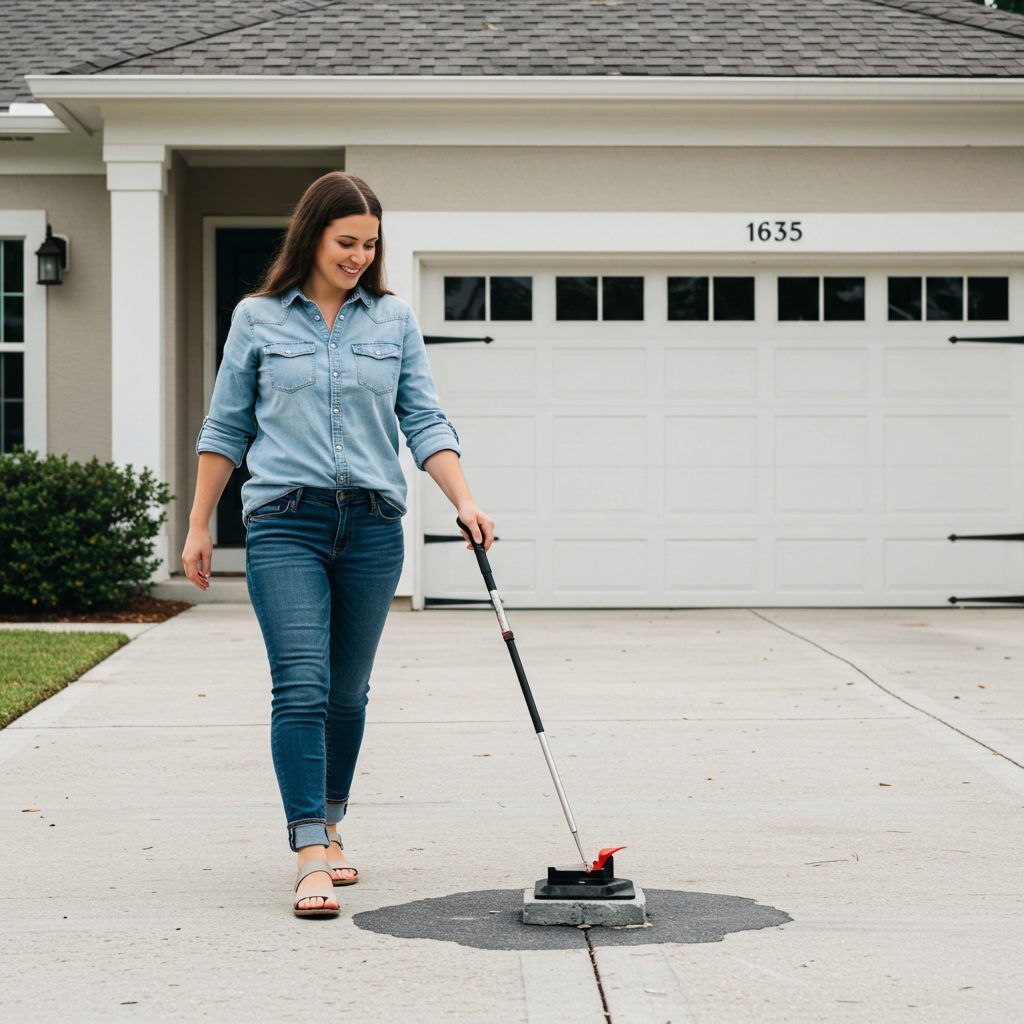
Master Minor Paving Repairs: A Tampa Homeowner's Guide to DIY Fixes
Maintaining the integrity of your asphalt or concrete paving in Tampa is crucial for both curb appeal and safety. The relentless Florida sun, heavy rain, and consistent traffic can take a toll, leading to minor cracks, potholes, and surface imperfections. While some issues demand professional attention, many small problems can be effectively addressed by homeowners, saving money and preventing larger, more expensive damage down the line. Understanding what you can fix and how to do it properly is key to proactive property management.
Can I repair minor paving issues myself in Tampa?
Yes, many minor paving issues like small cracks, shallow potholes, or surface imperfections can be effectively repaired by Tampa property owners with the right tools and techniques. Addressing these small problems promptly prevents them from escalating into costly major repairs, extending the overall lifespan of your asphalt or concrete surfaces.
What Common Minor Paving Issues Can Tampa Residents Fix Themselves?
Tampa's unique climate, with its intense heat, sudden downpours, and sandy soil, contributes to specific types of paving wear and tear. Fortunately, many of these issues are minor and manageable for a diligent property owner. Early detection and intervention are vital to prevent these small problems from becoming significant structural failures that require extensive professional work.
- Small Cracks (Asphalt & Concrete): These are typically hairline cracks or those less than 1/4 inch wide. They are often superficial but can widen over time, allowing water penetration that undermines the sub-base, especially during Tampa's rainy season.
- Shallow Potholes (Asphalt): Small, bowl-shaped depressions that are not very deep and haven't spread extensively. These usually form when water seeps into cracks, freezes (less common in Tampa, but water expansion still occurs) or softens the sub-base, and then traffic dislodges the asphalt.
- Minor Spalling or Scaling (Concrete): This refers to the flaking or peeling of the concrete surface. It's often caused by poor finishing, inadequate curing, or freeze-thaw cycles (though rare in Tampa, surface stress from other factors can mimic it). Crucially, it only affects the surface and doesn't indicate deep structural damage.
- Edge Cracks (Asphalt): Cracks that appear along the perimeter of your asphalt driveway or parking area. They can be caused by a lack of support at the edges or vehicle traffic driving too close to the unreinforced perimeter.
Tackling these issues when they are small is a highly effective way to extend the life of your paving and avoid the significant expense of a full replacement.
How Do I Properly Prepare My Paving Surface for DIY Repairs in Tampa?
Proper surface preparation is arguably the most critical step in any DIY paving repair. Without it, even the best repair materials won't adhere correctly, leading to premature failure and wasted effort. In Tampa, ensuring the surface is clean and dry is paramount due to the high humidity and frequent rain.
- Clean Thoroughly: Use a stiff wire brush, broom, or leaf blower to remove all loose debris, dirt, leaves, and vegetation from the crack or pothole. For oil or grease stains, use a degreaser and rinse thoroughly. Any foreign material will prevent the repair material from bonding effectively.
- Define Edges (for Potholes): For asphalt potholes, it's often beneficial to use a chisel and hammer to square off the edges of the pothole. This creates a clean, stable boundary for the repair material to adhere to, reducing the likelihood of the patch failing at the edges. Remove any crumbling or unstable material from within the pothole.
- Ensure a Dry Surface: Moisture is the enemy of most paving repair materials. After cleaning, allow the area to dry completely. In Tampa's humid environment, this might take longer than expected. Using a heat gun or blow dryer on a low setting can help speed up the process for small areas, but direct sunlight is often sufficient.
- Safety First: Always wear appropriate personal protective equipment (PPE), including work gloves, safety glasses, and sturdy footwear. Keep children and pets away from the work area until repairs are complete and cured.
What Are the Best DIY Repair Methods for Different Paving Problems in Tampa?
Once your surface is meticulously prepared, you can proceed with the actual repairs. The specific method and materials will depend on the type of paving (asphalt or concrete) and the nature of the damage. Always read and follow the manufacturer's instructions for the specific repair products you purchase, as formulations can vary.
Repairing Small Cracks (Asphalt & Concrete)
For cracks up to 1/4 inch wide, crack fillers are your best bet. These materials seal the crack, preventing water from penetrating and causing further damage.
- Clean the Crack: As per preparation guidelines, ensure the crack is free of all debris. A high-pressure air nozzle can be very effective here.
- Apply Filler: For asphalt, use an asphalt-based crack filler, often emulsion-based and pourable. For concrete, a polyurethane or silicone concrete caulk/sealant works well. Slowly squeeze or pour the filler into the crack, slightly overfilling it to allow for settling.
- Smooth: Use a squeegee, trowel, or even a gloved finger to smooth the filler flush with the surrounding pavement. This creates a neat finish and ensures good adhesion.
- Cure: Allow the filler to cure according to product instructions. This can range from a few hours to a few days, depending on temperature and humidity. Avoid driving or walking on the freshly repaired area.
Fixing Shallow Asphalt Potholes
Cold patch asphalt is readily available at most hardware stores and is designed for temporary to semi-permanent repairs of asphalt potholes.
- Clean and Square: Remove all loose asphalt, dirt, and debris. If possible, square off the edges of the pothole with a shovel or chisel for a better, longer-lasting repair.
- Fill: Pour the cold patch asphalt mix into the pothole, mounding it slightly higher than the surrounding pavement. This accounts for compaction.
- Compact: This is a crucial step. Use a hand tamper, a heavy piece of wood, or even drive over the patch slowly with your vehicle's tire several times. Compaction forces the aggregate together, creating a dense, durable patch.
- Monitor: Over time, the patch may settle slightly. You might need to add a small amount of additional cold patch and re-compact.
Addressing Minor Concrete Spalling or Surface Flaws
For shallow concrete surface issues, a polymer-modified concrete patch repair mix is ideal. This material bonds well to existing concrete and is designed for thin applications.
- Chisel Out Loose Material: Use a hammer and chisel to carefully chip away any loose, flaking, or unsound concrete until you reach a solid, stable surface.
- Clean and Dampen: Thoroughly clean the area to remove all dust and debris. Lightly dampen the surrounding concrete with water – this prevents the dry concrete from drawing moisture out of your patch mix too quickly, which can lead to cracking. Do not leave standing water.
- Mix and Apply: Mix the concrete patch repair product according to the manufacturer's instructions. Apply the patch firmly into the prepared area using a trowel, ensuring it fills all voids and feathers smoothly into the existing concrete.
- Finish and Cure: Use a trowel to match the texture of the surrounding concrete. Proper curing is essential for strength. Cover the repaired area with plastic sheeting or periodically mist it with water for several days to slow down the drying process and prevent premature cracking.
When Should Tampa Property Owners Call a Professional for Paving Repairs?
While DIY solutions are excellent for minor paving issues, knowing when to call in the professionals is critical. Attempting to fix severe problems yourself can lead to further damage, wasted money, and even safety hazards. In Tampa, where structural integrity is often challenged by environmental factors, professional assessment is invaluable.
- Extensive Cracking or Alligator Cracking: If your asphalt shows widespread interconnected cracks resembling alligator skin, this is a clear sign of sub-base failure. DIY patches won't address the underlying issue, and a professional assessment is needed, likely leading to resurfacing or replacement.
- Deep or Large Potholes: Potholes that are deep, span a large area, or constantly reappear indicate significant base instability or drainage issues that cold patch cannot fix long-term. Professionals have access to hot mix asphalt and specialized compaction equipment for durable repairs.
- Major Spalling or Structural Cracks in Concrete: If concrete spalling extends deeper than the surface, or if cracks are wide (over 1/4 inch), deep, or show signs of differential settlement (one side is higher than the other), it suggests structural compromise. These require expert diagnosis and specialized repair techniques.
- Persistent Drainage Problems: Standing water on your pavement is detrimental to its lifespan. If you observe consistent puddling after rain, it indicates improper grading or drainage. This is a complex issue requiring professional evaluation and often re-grading or installation of drainage solutions.
- Uneven Surfaces or Significant Depressions: Areas of your pavement that have sunk or become severely uneven point to serious sub-base erosion, settlement, or poor compaction during original installation. These issues require heavy equipment and expertise to correct properly.
- Safety Hazards: Any paving damage that creates a significant trip hazard or poses a danger to vehicles should be addressed by professionals immediately, especially in high-traffic areas.
- Large Areas: If the damage extends over a substantial portion of your driveway or parking lot, the sheer scale of the repair makes a DIY approach impractical and often less effective than professional service.
For comprehensive, long-lasting repairs that address the root cause of significant paving issues, trust the experts. Professional paving contractors possess the knowledge, equipment, and experience to provide durable solutions tailored to Tampa's specific environmental challenges.
By performing minor DIY repairs when appropriate, you can keep your Tampa property's paving in excellent condition. However, for those major issues that require a more robust solution, don't hesitate to reach out to the specialists. Tampa Concrete & Paving offers professional assessment, repair, and installation services for all your asphalt and concrete needs. Contact us today for a free estimate and ensure your property's paving remains safe, functional, and aesthetically pleasing for years to come!
Need Professional Assistance?
Get a free, no-obligation estimate from our expert local team today.