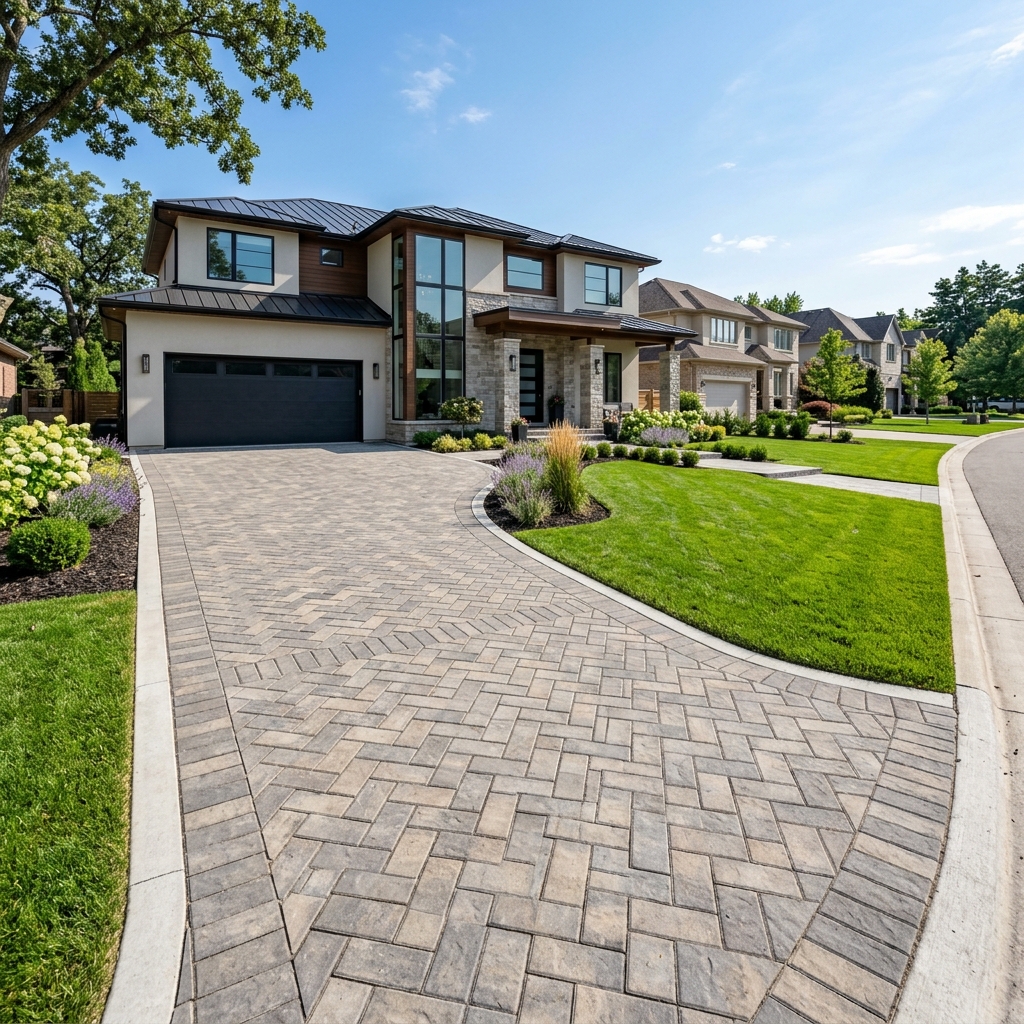
Tampa Pavement Cracks: Expert Guide to Repair or Full Replacement
Deciding whether to repair minor cracks or undertake a full pavement replacement in Tampa, FL, is crucial for preserving property value and safety. Generally, isolated hairline cracks and small potholes are suitable for targeted repairs, while widespread damage, significant structural failure, or extensive sub-base issues often necessitate a complete replacement for a durable, long-term solution. Understanding the root cause and severity of the damage, especially given Tampa's unique climate, is the first step towards an informed decision.
What Causes Pavement Cracks in Tampa, FL?
Pavement deterioration is an inevitable part of its lifecycle, but in Tampa, several environmental and structural factors can accelerate the process. Understanding these causes is key to effective prevention and repair strategies.
- Extreme Heat and UV Exposure: Tampa's intense sun and high temperatures cause asphalt to expand and contract, leading to thermal cracking. Over time, UV rays degrade the binders in asphalt, making it brittle and prone to cracking. Concrete can also be affected by thermal stress, leading to expansion and contraction joints widening or spalling.
- Heavy Rainfall and Humidity: Florida's rainy season introduces significant moisture. Water seeping into existing cracks can weaken the sub-base, leading to potholes and further cracking. The high humidity can also affect the curing process of concrete and the integrity of asphalt over time.
- Sub-Base Issues and Soil Instability: Tampa's sandy soils can be prone to shifting and settling, which directly impacts the stability of the pavement above. If the sub-base isn't properly prepared or drains poorly, it can lead to uneven settling, causing stress cracks and structural failure.
- Tree Root Invasion: The lush landscape in Tampa, while beautiful, often includes trees with aggressive root systems. Roots can grow beneath pavement, lifting and cracking sections as they expand.
- Heavy Traffic and Load Bearing: For commercial properties, continuous heavy vehicle traffic, especially from trucks and delivery vehicles, can exert immense stress on pavement, accelerating wear and the formation of fatigue (alligator) cracking.
- Poor Drainage: Standing water on or near pavement surfaces significantly contributes to deterioration. It weakens the material, washes away supporting sub-base, and in the case of asphalt, can lead to stripping.
Identifying the specific type of cracking can also offer clues. Linear cracks often indicate thermal stress or settling. Alligator cracking (interconnected cracks resembling alligator scales) typically points to structural failure of the sub-base or fatigue from heavy loads. Edge cracks occur along the perimeter and are often due to a lack of lateral support.
Identifying When Repair Is Enough for Your Tampa Property
For many Tampa property owners, the immediate concern is often whether a repair can extend the life of their existing pavement without the expense of a full replacement. Timely and appropriate repairs can indeed prevent minor issues from escalating into major structural failures.
Consider repair options when you observe:
- Hairline Cracks: Small, superficial cracks that haven't spread extensively and don't indicate underlying structural issues. These can often be sealed to prevent water intrusion.
- Minor Linear Cracks: Cracks that run in a relatively straight line, usually less than 1/2 inch wide. These can be effectively filled with hot or cold crack fillers.
- Small Potholes: Isolated potholes, especially after heavy rains, can be patched. However, frequent pothole formation suggests a deeper problem.
- Raveling or Fraying Edges: Minor degradation of the pavement surface, typically at the edges, can sometimes be addressed with sealcoating or specific edge repair techniques.
- Fading or Oxidation: While not a structural issue, oxidized pavement (graying asphalt) benefits greatly from sealcoating, which restores its appearance and protects against further UV damage and moisture.
The key benefit of targeted repairs is cost-effectiveness. By addressing issues early, you can often significantly extend the pavement's lifespan for a fraction of the replacement cost. Regular inspections, especially after severe weather events typical in Tampa, are essential for catching these issues early. For instance, if you're managing a property with specific concerns like those found in Tampa Palms, understanding these early warning signs is vital for proactive maintenance.
Signs It's Time for Full Pavement Replacement in Tampa
While repairs can be a great short-term solution, there comes a point where investing in repairs becomes a recurring cost, and a full replacement offers better long-term value and safety. Recognizing these critical signs is essential for property managers and owners in Tampa.
It's likely time for a full replacement if your pavement exhibits:
- Widespread Alligator Cracking: When large areas of your asphalt show interconnected cracks resembling an alligator's hide, it's a strong indicator of significant sub-base failure. Repairing the surface without addressing the foundation is a temporary fix.
- Numerous and Deep Potholes: If potholes are abundant, deep, and constantly reappearing even after patching, it signifies that the structural integrity of the pavement has been compromised throughout.
- Significant Sagging or Depressions: Areas where the pavement has visibly sunk or developed large depressions often point to severe sub-base erosion or settlement. These can lead to significant drainage issues and create hazardous conditions.
- Heaving or Uneven Surfaces: Pavement that is significantly uneven, with pronounced high and low spots, often indicates major sub-base movement, tree root invasion, or freeze-thaw damage (though less common in Tampa, it can occur with specific sub-base types).
- Poor Drainage Leading to Ponding: If your pavement consistently collects standing water, it not only accelerates deterioration but also poses slip hazards. Often, correcting severe drainage issues requires regrading and a new paving surface.
- Extensive Edge Deterioration: If the pavement edges are crumbling, broken, or heavily damaged over a large perimeter, it suggests a lack of support and widespread failure.
- Age and Material Fatigue: Even with proper maintenance, asphalt pavement typically has a lifespan of 15-20 years, while concrete can last 20-40 years. If your pavement is nearing or exceeding these lifespans and showing significant wear, replacement might be the most economical long-term solution.
A full replacement ensures a fresh start, addressing all underlying issues, improving drainage, and providing a durable surface designed to withstand Tampa's climate for decades to come. This is especially true for high-traffic areas or commercial properties where safety and aesthetics are paramount.
Understanding the Cost: Repair vs. Replacement in Tampa
The decision between repair and replacement often comes down to cost, but it's crucial to consider both immediate expenses and long-term value. In Tampa, specific factors can influence these costs.
Factors Influencing Repair Costs:
- Type of Repair: Crack filling is typically the least expensive, followed by pothole patching. Sealcoating adds a protective layer and aesthetic improvement at a moderate cost.
- Extent of Damage: The more square footage or linear feet of cracks needing attention, the higher the cost.
- Material Costs: Fluctuations in asphalt and concrete material prices can affect repair expenses.
- Accessibility: Difficult-to-access areas might incur higher labor costs.
Repair, while cheaper upfront, can become a 'money pit' if underlying issues aren't addressed. Frequent repairs every few years can quickly accumulate to exceed the cost of a replacement.
Factors Influencing Replacement Costs:
- Total Square Footage: This is the primary cost driver for replacement projects.
- Material Choice: Asphalt is generally less expensive per square foot than concrete. However, concrete offers superior longevity and can withstand heavier loads.
- Sub-Base Preparation: If the existing sub-base needs significant repair, regrading, or replacement, it will add to the overall cost.
- Demolition and Hauling: The cost of removing and disposing of the old pavement is a significant component.
- Drainage Solutions: If new drainage systems or extensive grading are required to prevent future water damage, these will be factored in.
- Permitting: Larger projects in Tampa may require specific city or county permits, adding administrative costs.
While replacement demands a higher initial investment, it often provides the lowest cost of ownership over the long term, offering a brand-new surface that requires less maintenance and provides decades of service. For example, businesses in communities like Safety Harbor often find that a strategic replacement plan significantly enhances their property's curb appeal and functionality, justifying the initial investment.
What to Expect During a Professional Pavement Assessment
When you contact Tampa Concrete & Paving for a consultation, our process is designed to provide you with a clear, comprehensive understanding of your pavement's condition and the best solutions available.
Our Assessment Process Typically Includes:
- Initial Site Visit and Visual Inspection: Our experienced technicians will visit your property to conduct a thorough visual assessment of your pavement. We'll examine the entire surface for visible cracks, potholes, depressions, drainage issues, and signs of sub-base failure.
- Detailed Damage Mapping: We'll identify and map out different types of damage, noting their severity and distribution across the paved area. This helps us understand the underlying causes and potential solutions.
- Sub-Base Evaluation: Where necessary, we'll assess the condition of the sub-base. This might involve looking for areas of instability or poor drainage that contribute to surface deterioration.
- Drainage Analysis: We'll evaluate the existing drainage patterns to identify areas where water might be collecting, leading to premature pavement failure. We can recommend solutions to improve water runoff.
- Discussion of Traffic and Use: We'll discuss the type and volume of traffic your pavement typically endures, as this significantly impacts material choice and structural requirements.
- Client Consultation: We'll take the time to listen to your concerns, answer your questions, and understand your budget and long-term goals for the property.
- Comprehensive Recommendation and Estimate: Based on our assessment, we'll provide a detailed report outlining our findings and recommending the most appropriate solutions—whether repair, resurfacing, or full replacement. This includes a transparent, itemized estimate with all costs clearly explained. We'll present the pros and cons of each option, empowering you to make an informed decision.
Our goal is to ensure your pavement is not only functional and safe but also aesthetically pleasing and built to last in the challenging Tampa environment. We prioritize durable, cost-effective solutions tailored to your specific needs.
Don't let pavement cracks compromise your property's safety or appearance. If you're observing signs of deterioration and are unsure whether repair or replacement is the best path forward, trust the local experts. Contact Tampa Concrete & Paving today for a professional assessment and a personalized, no-obligation estimate. We're here to help you make the smartest investment for your Tampa property.
Need Professional Assistance?
Get a free, no-obligation estimate from our expert local team today.