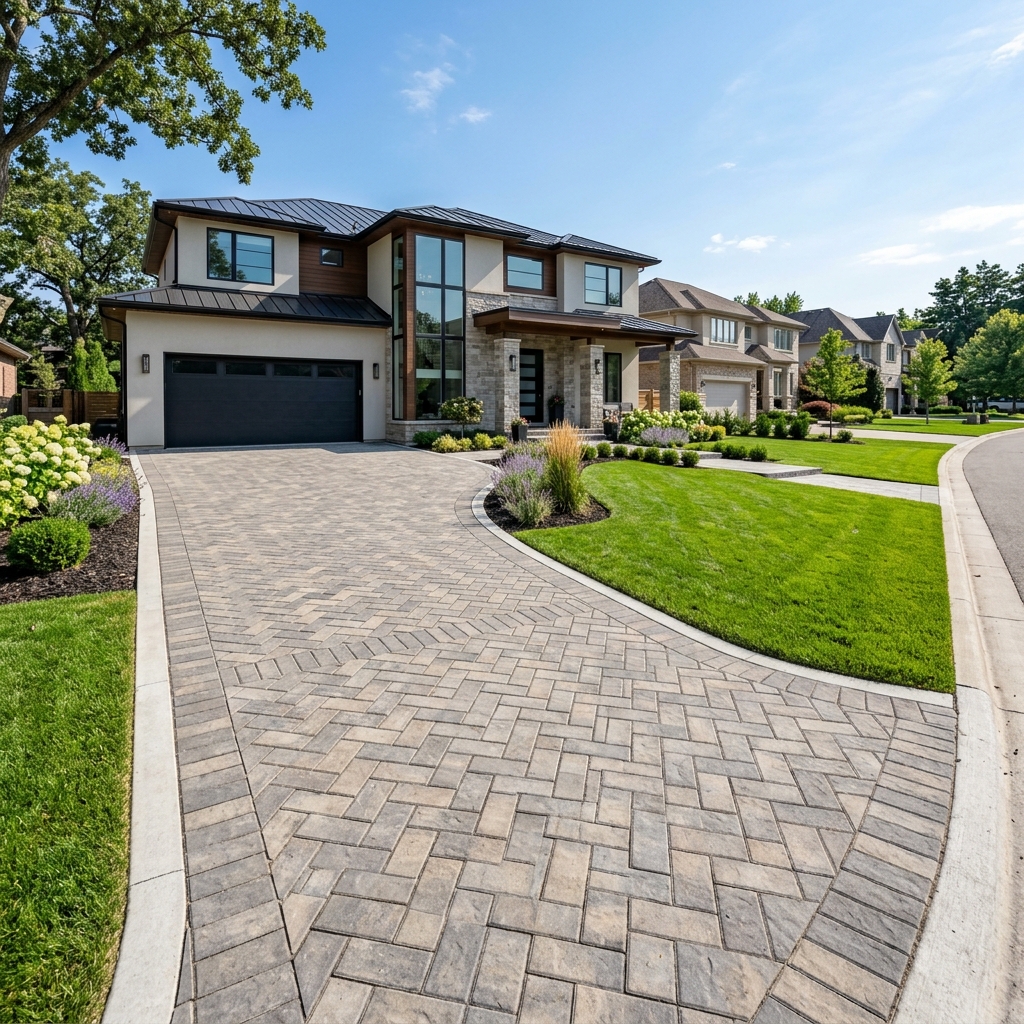
Tampa Pavement Lifespan: When to Repair, When to Replace for Durability & Value
Deciding whether to repair or completely replace your concrete or asphalt pavement in Tampa, FL, is a critical investment choice for any property owner. Often, minor repairs can extend the life of your surface for years, but severe damage, especially common in Florida's challenging climate, necessitates a full replacement for long-term safety, functionality, and cost-effectiveness. A professional assessment from Tampa Concrete & Paving will determine the most durable and economical solution.
What Factors Determine Your Pavement's Lifespan in Tampa, FL?
The lifespan of asphalt and concrete pavements in Tampa, FL, is significantly influenced by a unique combination of environmental, usage, and material factors. Understanding these elements is key to predicting when your surface might need attention and making informed repair or replacement decisions.
- Florida's Intense Climate: Tampa's high temperatures, intense UV radiation, and heavy rainfall are major contributors to pavement degradation. Extreme heat causes asphalt to soften and expand, while UV rays accelerate oxidation, leading to brittleness and cracking. Heavy rains can infiltrate cracks, weakening the subgrade and leading to potholes or structural failure.
- Soil Conditions: The sandy, often high-water-table soil prevalent in the Tampa Bay area can be problematic. Shifting or unstable subgrade soil beneath your pavement can cause uneven settling, cracking, and structural instability. Proper subgrade preparation is paramount during installation to mitigate these issues.
- Traffic Load and Volume: The type and volume of traffic a paved surface endures directly impact its longevity. A residential driveway experiences far less stress than a commercial parking lot or a busy private road. Heavy vehicles, frequent turning, and constant pressure accelerate wear and tear, making proper design and thickness critical for high-traffic areas.
- Original Installation Quality: The quality of the initial paving job is perhaps the most significant determinant of its lifespan. Proper base preparation, correct material mixes, adequate drainage, and skilled application all contribute to a durable surface. Shoddy workmanship or cutting corners during installation will inevitably lead to premature failure and costly repairs.
- Drainage Efficiency: Effective drainage is crucial for pavement longevity in a rainy climate like Tampa's. Poorly sloped surfaces or clogged drainage systems allow water to pool, infiltrate the pavement layers, and cause significant damage, including subgrade erosion, rutting, and pothole formation.
Signs Your Pavement Needs More Than Just a Patch (Repair vs. Replace Triggers)
Identifying the early warning signs of pavement distress can save you money and prevent safety hazards. However, some indicators point to damage so extensive that a full replacement is the only viable long-term solution.
When Repair is Often Sufficient:
- Minor Cracking (Hairline, Linear): Small, isolated cracks can often be sealed effectively to prevent water penetration and extend pavement life.
- Small, Isolated Potholes: If potholes are few, shallow, and contained, they can often be patched.
- Surface Raveling/Fretting: Where aggregate is starting to loosen from the asphalt surface, a sealcoat can often restore integrity.
- Faded Appearance: A dull, graying surface on asphalt often indicates oxidation, which can be remedied with a fresh sealcoat to protect and rejuvenate.
When Replacement Becomes Necessary:
- Extensive Alligator Cracking: This pattern of interconnected cracks resembles alligator skin and indicates severe structural failure from the subgrade up. It's a sign that the entire paved section has lost its integrity.
- Large, Deep Potholes and Extensive Cracking: If potholes are widespread, deep, and accompanied by significant cracking across the surface, the underlying structure is compromised beyond simple repair.
- Severe Rutting and Shoving: Depressions (ruts) in wheel paths or ripples (shoving) in the pavement surface are signs of structural failure, often due to subgrade issues or inadequate mix design under heavy traffic.
- Significant Heaving or Sinking: Uneven surfaces, especially those where sections have risen or fallen noticeably, often point to unstable subgrade, poor drainage, or tree root intrusion. This can create major tripping hazards and drainage problems.
- Pavement Age: While well-maintained asphalt can last 20-30 years and concrete even longer, eventually materials degrade beyond repair. If your pavement is nearing or past its typical lifespan and exhibiting widespread distress, replacement is usually the most economical option.
- Drainage Issues Leading to Ponding: If your pavement consistently holds standing water after rain due to incorrect grading or severe depressions, it indicates a fundamental design or structural flaw that usually requires reconstruction to correct effectively.
The Cost Equation: Repair vs. Full Replacement in Tampa
One of the primary considerations for Tampa property owners is the financial impact of their paving decisions. While initial repair costs are almost always lower than replacement, it's crucial to consider the long-term value and effectiveness.
For minor issues like isolated cracks or small potholes, simple repairs are undoubtedly the most cost-effective solution. Crack sealing, patching, or even a resurfacing (overlay) can be excellent investments to extend the life of an otherwise sound pavement. However, these solutions are temporary fixes if the underlying problems are structural.
When widespread structural damage is present, continuous small repairs become a 'money pit.' You end up spending more over time on repetitive fixes than you would on a single, comprehensive replacement. A full replacement, though a larger upfront investment, addresses all underlying issues, including subgrade deficiencies, and provides a completely new surface designed for long-term performance. This approach not only ensures safety and functionality but also significantly boosts curb appeal and property value.
For commercial properties, avoiding downtime and maintaining a professional appearance can be just as important as cost. A full replacement minimizes future disruptions and presents a fresh, inviting surface for customers. Tampa Concrete & Paving provides transparent, detailed estimates for both repair and replacement options, helping you make the most informed decision for your budget and property needs. We also serve communities like Tarpon Springs, bringing our expertise to a wider region.
What to Expect During a Professional Pavement Assessment in Tampa
When you contact Tampa Concrete & Paving for a professional assessment, you're initiating a thorough process designed to accurately diagnose your pavement's condition and provide the most effective solutions. Here’s what you can expect:
- Initial Site Visit and Visual Inspection: Our experienced technicians will conduct a detailed visual inspection of your pavement or concrete surfaces. We'll identify all visible signs of distress, including cracks, potholes, rutting, drainage issues, and areas of sinking or heaving. This step is crucial for understanding the surface-level symptoms.
- Subgrade Evaluation: Understanding the condition of the soil beneath your pavement is paramount. We'll assess potential subgrade issues that could be contributing to surface deterioration, such as poor compaction, expansive clays, or high water tables, which are common concerns in Florida.
- Drainage Analysis: Proper water management is vital for pavement longevity. We'll evaluate your existing drainage systems, identifying areas where water might be pooling or where runoff is not being effectively diverted, which can lead to accelerated damage.
- Material Quality Assessment: For existing asphalt, we may assess the aggregate interlock and binder quality. For concrete, we'll look for signs of spalling, scaling, or rebar corrosion. This helps determine if the material itself is failing.
- Detailed Recommendations and Proposal: Following the assessment, we'll provide you with a comprehensive report outlining our findings. This report will include clear, actionable recommendations for repair or replacement, accompanied by a detailed, transparent proposal. The proposal will specify the scope of work, materials to be used, project timeline, and a clear breakdown of costs, allowing you to make an educated decision. Our expertise extends to areas like University Square, ensuring consistent quality across Tampa Bay.
Extending Your Pavement's Life: Proactive Maintenance Tips for Tampa Properties
Once you’ve invested in high-quality paving from Tampa Concrete & Paving, proactive maintenance is the best way to protect that investment and maximize its lifespan, especially in Tampa’s demanding environment.
- Regular Cleaning and Debris Removal: Keep your paved surfaces free of dirt, leaves, and other debris. Accumulated organic matter can trap moisture, promote weed growth in cracks, and accelerate deterioration. Regular sweeping and occasional power washing (with appropriate pressure) are recommended.
- Prompt Crack Sealing: This is arguably the most important maintenance task for asphalt. Seal cracks as soon as they appear to prevent water from penetrating the subgrade, which is the leading cause of potholes and structural failure.
- Timely Pothole Patching: Don't let small potholes grow into larger, more expensive problems. Patch them quickly to restore safety and prevent further erosion of the surrounding pavement.
- Routine Sealcoating (for Asphalt): Applying a high-quality sealcoat every 2-4 years protects asphalt from UV rays, oxidation, and water penetration. It restores the pavement's rich black color, enhancing curb appeal while extending its life.
- Maintain Effective Drainage: Ensure storm drains, culverts, and ditches are clear of obstructions. Address any areas where water consistently pools, as standing water is a significant enemy of pavement.
- Limit Heavy Vehicle Stress: Where possible, direct heavy vehicle traffic away from weaker areas or ensure your pavement is designed to withstand the expected loads.
- Address Tree Roots Promptly: In Tampa, tree roots can cause significant damage by uplifting pavement. Consider root barriers or consult an arborist if nearby trees are causing issues.
By following these proactive maintenance tips and partnering with a trusted local expert like Tampa Concrete & Paving, you can significantly extend the life of your paved surfaces, reduce long-term costs, and maintain a safe, attractive property.
If you're in Tampa, FL, and concerned about the condition of your concrete or asphalt, don't wait for minor issues to become major headaches. Contact Tampa Concrete & Paving today for a professional assessment and a free, no-obligation estimate. Our team of local experts is ready to provide durable, cost-effective solutions tailored to the unique challenges of the Tampa climate. Call us to ensure your pavement stands strong for years to come!
Need Professional Assistance?
Get a free, no-obligation estimate from our expert local team today.