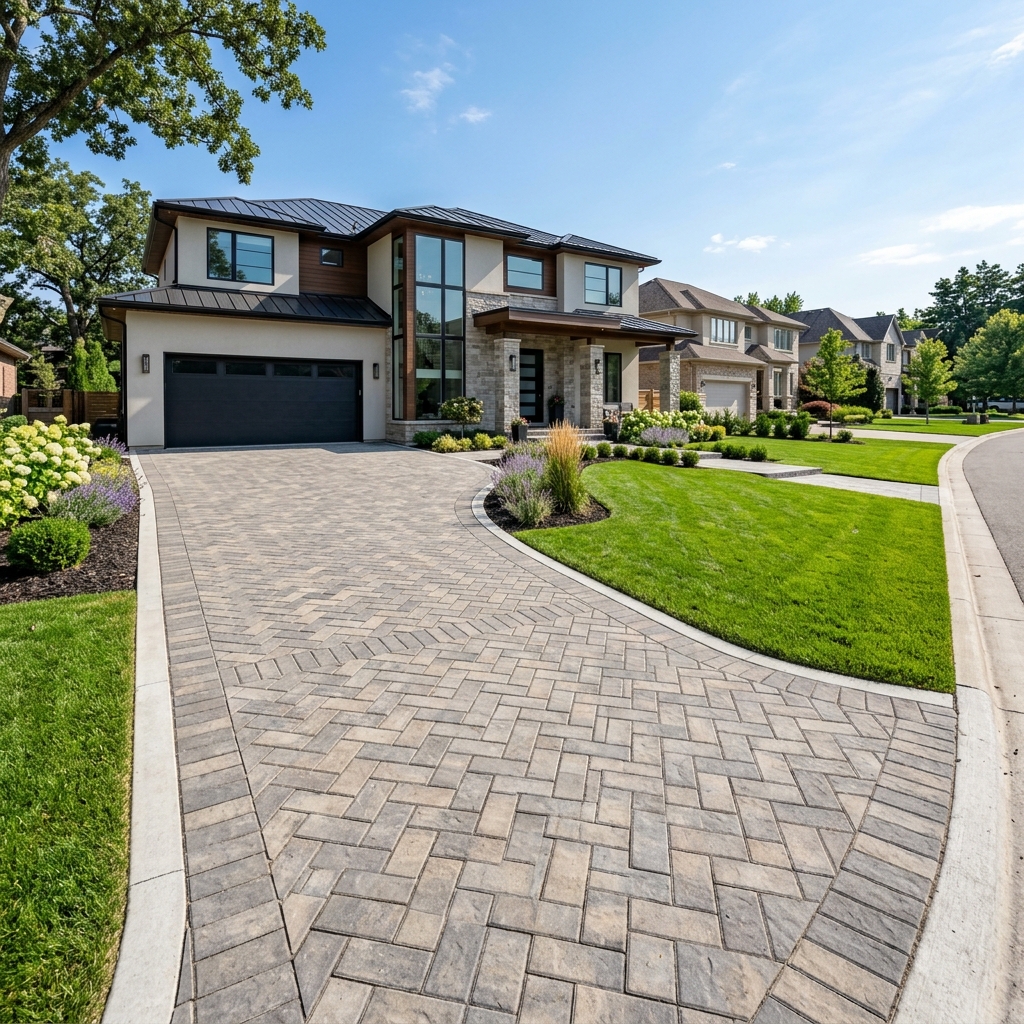
Cracks & Potholes in Tampa? Know When to Repair or Replace Your Pavement for Lasting Value
When facing pavement cracks, potholes, or significant deterioration in Tampa, FL, a professional assessment is crucial to determine if repair or full replacement is necessary. Minor surface issues can often be addressed with targeted repairs, but extensive cracking, sub-base failure, or severe drainage problems usually necessitate a complete repave to ensure long-term safety and structural integrity.
Pavement is a significant investment for any property, whether it's a commercial parking lot, a residential driveway, or a municipal road. In Tampa, FL, the unique climate, characterized by intense sun, heavy rain, and sandy soil, presents specific challenges that can accelerate pavement degradation. Understanding the root causes of damage and knowing when to opt for repair versus a full replacement is key to maintaining both aesthetics and safety, while also protecting your investment.
What Are the Most Common Pavement Problems in Tampa, FL?
Tampa's environment contributes to several common types of pavement damage. Recognizing these issues early can save you significant time and money.
- Thermal Cracking: The intense Florida sun causes asphalt and concrete to expand and contract. Over time, this stress leads to hairline cracks that can widen, allowing water infiltration.
- Alligator Cracking: This interconnected series of cracks resembles an alligator's skin. It often indicates a deeper structural issue, usually a failure in the sub-base beneath the pavement, making the area unstable.
- Potholes: Formed when water seeps into cracks, freezes (less common in Tampa but still possible with cold snaps), expands, and then thaws. The repeated traffic then dislodges the weakened material, creating a hole. In Tampa, heavy rains and underlying soil issues are primary culprits.
- Raveling and Fading: Exposure to UV rays, oxygen, and water can cause the asphalt binder to erode, leading to loose aggregate on the surface (raveling) and a faded, dull appearance.
- Rutting and Depressions: Heavy traffic loads, especially from large vehicles, combined with inadequate pavement thickness or a weak sub-base, can cause permanent indentations or ruts in the pavement surface. This is particularly problematic in areas with poor drainage, as water can collect in these depressions.
- Tree Root Damage: The lush landscape of Tampa, while beautiful, can be a bane for pavement. Growing tree roots can exert immense pressure, causing asphalt and concrete to crack, heave, and become uneven. If you're seeing signs of this near your property, especially in areas like Old Seminole Heights known for its mature trees, addressing it promptly is vital.
How Do I Know if My Pavement Needs Repair or Replacement?
Deciding between repair and replacement hinges on the severity and extent of the damage, as well as its underlying cause. A professional assessment is always recommended, but here are general guidelines:
- Minor Cracks (Hairline to 1/4 inch wide): Often repairable with crack sealing. This prevents water from penetrating and worsening the damage.
- Small Potholes or Isolated Patches of Alligator Cracking: Can typically be repaired through patching, where the damaged section is cut out and replaced with new material.
- Widespread Alligator Cracking (over 25% of the surface area): This usually signals a sub-base failure. While patching might offer a temporary fix, a full replacement of the affected section, including the sub-base, is often the most cost-effective long-term solution.
- Severe Rutting or Heaving: If the pavement has significant deformation across a large area, especially if it affects drainage, a complete milling and overlay or full-depth replacement might be necessary.
- Multiple, Frequent Repairs: If you find yourself repeatedly repairing the same sections year after year, it's a strong indicator that the underlying structure is compromised, and replacement would be more economical in the long run.
- Age of Pavement: While well-maintained pavement can last decades, asphalt typically has a lifespan of 15-20 years, and concrete 20-30 years. If your pavement is nearing the end of its expected life and showing significant wear, replacement might be a more prudent choice than pouring money into extensive repairs.
What Factors Influence Pavement Repair and Replacement Costs in Tampa?
The cost of repairing or replacing pavement in Tampa, FL, can vary widely based on several factors:
- Type of Pavement: Asphalt is generally less expensive to install than concrete, but may require more frequent maintenance.
- Extent of Damage: Small crack filling is inexpensive, while full-depth patching or repaving an entire area will significantly increase costs.
- Scope of Work: This includes the removal of old material, excavation, preparation of the sub-base, and the amount of new material required.
- Material Costs: Fluctuations in asphalt, concrete, and aggregate prices directly impact project costs.
- Labor Costs: The complexity and duration of the job influence labor expenses.
- Permitting and Regulations: Depending on the size and location of the project, local permits from the City of Tampa or Hillsborough County may be required, adding to the overall cost.
- Drainage Issues: If existing drainage needs to be improved or installed, this will be an additional cost but is crucial for preventing future pavement problems.
- Accessibility: Difficult-to-access areas may incur higher labor costs.
Obtaining detailed, itemized quotes from reputable local contractors like Tampa Concrete & Paving is essential for understanding the full scope and cost of your project.
What to Expect from a Professional Pavement Inspection in Tampa?
When you call Tampa Concrete & Paving for an assessment, our experienced technicians follow a thorough process to accurately diagnose your pavement's condition:
- Initial Site Visit: We will visit your property in Tampa, FL, or surrounding areas to visually inspect the affected pavement.
- Detailed Damage Assessment: Our team will identify all types of damage present, including cracks, potholes, rutting, and signs of sub-base failure. We'll measure the extent and severity of each issue.
- Drainage Evaluation: We assess the existing drainage patterns to determine if water is pooling or causing erosion, which often contributes to pavement failure.
- Sub-Base Analysis: For more severe issues, we may perform test cuts or core samples to evaluate the condition and stability of the underlying sub-base.
- Traffic Load Assessment: Understanding the type and volume of traffic the pavement endures helps us recommend appropriate solutions for durability.
- Comprehensive Report & Recommendations: Based on our findings, we provide a detailed report outlining the identified problems, their likely causes, and a clear recommendation for either repair or replacement. We'll explain the 'why' behind our suggestions, along with transparent cost estimates.
- Permitting Guidance: If your project requires city or county permits, we can guide you through the process or handle it on your behalf.
This professional approach ensures that any proposed solution is not just a band-aid fix but a long-term resolution designed to withstand Tampa's challenging environment.
Preventative Maintenance Tips for Tampa Pavements
While some issues are inevitable, proactive maintenance can significantly extend the life of your asphalt or concrete pavement in Tampa:
- Regular Inspections: Periodically walk your pavement and look for new cracks, potholes, or signs of water pooling. Early detection allows for minor, less costly repairs.
- Cleanliness: Keep the pavement free of debris, dirt, and vegetation. Debris can trap moisture, and vegetation can push through cracks.
- Proper Drainage: Ensure gutters, drains, and landscaping direct water away from pavement surfaces. Standing water is a primary enemy of both asphalt and concrete.
- Crack Sealing: This is arguably the most critical preventative measure for asphalt. Sealing cracks promptly prevents water from infiltrating the sub-base, which is the leading cause of potholes and more severe damage.
- Sealcoating (for asphalt): Applying a sealcoat every 2-5 years protects the asphalt surface from UV rays, oxidation, and chemicals, while also restoring its dark, appealing finish.
- Scheduled Cleaning & Sealing (for concrete): Regular cleaning and applying a quality concrete sealer can protect against moisture penetration, staining, and surface erosion.
Don't wait until minor issues become major headaches. If you're noticing cracks, potholes, or any signs of pavement distress on your property in Tampa, FL, or even in nearby areas like Clearwater, it's time to act. Contact Tampa Concrete & Paving today for a professional, no-obligation assessment. Our experienced team will provide you with expert advice and reliable solutions to ensure your pavement remains safe, functional, and aesthetically pleasing for years to come.
Need Professional Assistance?
Get a free, no-obligation estimate from our expert local team today.