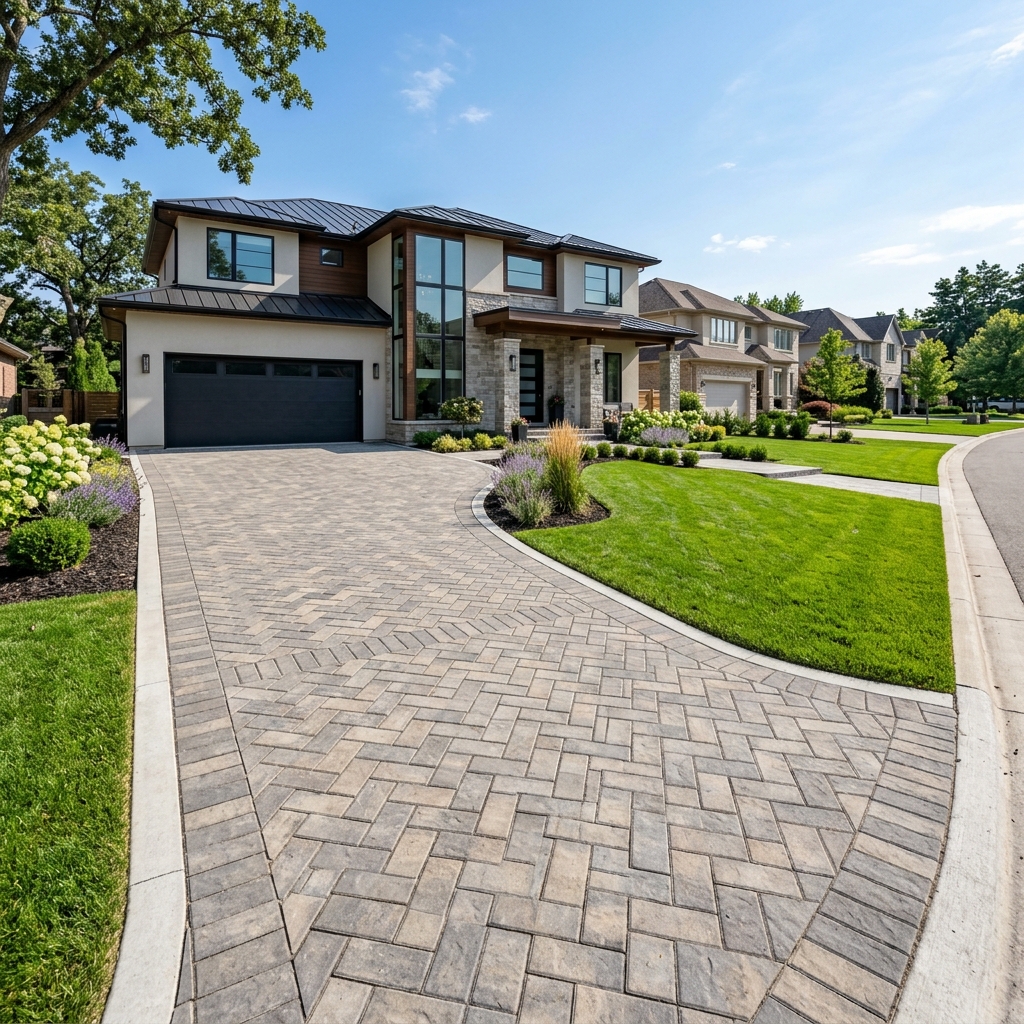
Cracked Pavement in Tampa? Know When to Repair, Resurface, or Replace for Lasting Value
Ignoring cracked pavement in Tampa, FL can lead to significant structural damage, increased repair costs, and safety hazards. Determining whether to repair, resurface, or fully replace your asphalt or concrete requires a professional assessment of the damage, considering both immediate cost and long-term durability. Acting promptly is key to preserving your property's value.
Why Do Pavement Cracks Appear in Tampa, FL?
Pavement cracking is an inevitable part of any asphalt or concrete surface's lifecycle, especially in a dynamic environment like Tampa, FL. Understanding the root causes is the first step toward effective mitigation and repair. Unlike colder climates where freeze-thaw cycles are the primary culprit, Tampa's unique challenges stem from a combination of intense heat, heavy rainfall, high humidity, and local soil conditions.
Here are the primary factors contributing to pavement degradation in our region:
- Temperature Extremes: The intense Florida sun causes pavement to expand and contract daily. Over time, this thermal stress weakens the material, leading to fatigue and cracking. The extreme heat can also accelerate the oxidation of asphalt binders, making the pavement brittle.
- Heavy Rainfall and Drainage Issues: Tampa experiences significant rainfall, especially during hurricane season. If drainage systems are inadequate, water can seep beneath the pavement, saturating the sub-base. A weakened sub-base loses its ability to support the pavement above, leading to settlement and structural cracks.
- Soil Conditions: Florida's sandy and often unstable soil can shift and settle over time. Poor compaction during initial installation or changes in the water table can cause differential settlement, putting undue stress on the pavement and resulting in cracks.
- Heavy Traffic Loads: For commercial properties, continuous heavy vehicle traffic (trucks, buses, industrial equipment) can accelerate wear and tear. Overloading the pavement's design capacity will inevitably lead to fatigue cracking, rutting, and ultimately, structural failure.
- Tree Root Intrusion: Aggressive tree roots seeking moisture can grow under and through pavement, lifting and cracking surfaces. This is a common issue in both residential and commercial properties throughout the Tampa Bay area.
- Poor Installation or Material Quality: Sometimes, cracking is a symptom of underlying issues from the original installation, such as insufficient base thickness, improper compaction, or using low-quality materials not suited for Florida's climate.
Identifying the specific cause of cracking is paramount. A professional inspection by Tampa Concrete & Paving can accurately diagnose these issues and recommend the most effective long-term solution.
Identifying Pavement Damage: When is it a Minor Repair?
Not all cracks spell disaster. Early identification of minor damage can save you substantial costs down the line. Understanding the different types of cracks and what they signify is crucial for property owners in Tampa. Here’s a breakdown of common pavement cracks and when they might be considered a minor repair:
- Hairline Cracks: These are very fine, shallow cracks, often less than 1/8 inch wide. They are usually the earliest signs of pavement aging or minor stress. Hairline cracks are typically superficial and can be effectively sealed to prevent water intrusion.
- Longitudinal Cracks: Running parallel to the pavement's direction, these cracks can result from poorly constructed joints, pavement shrinkage, or stress from traffic. If they are isolated and not deep, they can often be repaired with crack filling.
- Transverse Cracks: These run perpendicular to the pavement's direction, often caused by thermal expansion and contraction. Similar to longitudinal cracks, isolated transverse cracks can usually be filled if caught early.
- Block Cracking: This pattern forms a series of interconnected cracks that divide the pavement into rectangular pieces, usually 1 to 10 feet in size. Often caused by asphalt shrinkage or drying out of the binder. If the blocks are still relatively stable and the cracking isn't severe, crack sealing can extend the pavement's life.
- Edge Cracks: Occurring within 1-2 feet of the pavement's outer edge, these are often caused by lack of support at the edge, heavy traffic over the edge, or poor drainage. Minor edge cracks can be patched or sealed.
A crack is generally considered 'minor' if it is relatively narrow (under 1/2 inch), isolated, and does not show signs of significant displacement, spalling (material breaking away), or a compromised sub-base. However, even minor cracks, if left unaddressed, will inevitably worsen. Water intrusion through cracks is the primary accelerator of pavement deterioration. If you notice these early signs on your property, especially if you manage multiple sites like those in North Tampa, contacting a professional for crack sealing or minor patching is a cost-effective preventative measure.
Repair vs. Resurface vs. Replace: Making the Right Decision in Tampa
When faced with pavement deterioration, property owners in Tampa have three primary options: repair, resurface, or full replacement. The best choice depends on the extent of the damage, the underlying causes, your budget, and the desired lifespan of the pavement.
Pavement Repair
Repair focuses on addressing specific, localized areas of damage. This is the most cost-effective option for minor to moderate issues. Typical repairs include:
- Crack Sealing/Filling: Involves cleaning and filling individual cracks with hot asphaltic binder or sealant to prevent water penetration and further deterioration. Ideal for hairline, longitudinal, and transverse cracks.
- Patching (Pothole Repair): Removing damaged pavement and replacing it with new asphalt or concrete. Suitable for potholes or small areas of alligator cracking that haven't compromised the sub-base.
- Full-Depth Patching: For more significant localized damage where the sub-base is also affected. This involves excavating the full depth of the pavement and a portion of the sub-base, repairing the base, and then laying new material.
Repairs are best for prolonging the life of generally sound pavement that has isolated issues. They are not a solution for widespread, structural failure.
Pavement Resurfacing (Overlay)
Resurfacing, also known as an overlay, involves applying a new layer of asphalt or concrete over an existing, structurally sound pavement. This is an excellent option when the sub-base is stable, but the surface shows widespread signs of aging, block cracking, or extensive fatigue. It's more cost-effective than a full replacement but provides a significantly renewed surface and extended lifespan compared to simple repairs.
Before resurfacing, existing cracks must be sealed, and any severely deteriorated areas (e.g., large potholes or deeply rutted sections) must be patched or milled out to create a uniform, stable base for the new layer. Resurfacing effectively gives the pavement a fresh start without the expense and disruption of full removal.
Full Pavement Replacement
Replacement is the most comprehensive and expensive option, but it's necessary when the pavement's structural integrity is compromised. This involves removing the entire existing pavement, addressing any sub-base issues, and installing an entirely new pavement structure from the ground up. You should consider full replacement when:
- There's extensive alligator cracking over a large area, indicating sub-base failure.
- The pavement has significant rutting or depressions that affect drainage and vehicle stability.
- The sub-base is unstable due to poor compaction, poor drainage, or expansive soils.
- The pavement has reached the end of its design life and shows widespread, irreparable deterioration.
While the initial cost is higher, a full replacement offers the longest lifespan and resolves all underlying issues, providing a completely new, robust pavement system designed to meet current and future demands. For large commercial properties or municipalities, especially in areas like St. Petersburg, a full replacement ensures long-term functionality and safety.
What to Expect from a Professional Pavement Assessment in Tampa
Making the correct repair vs. replace decision requires expertise. A professional pavement assessment from Tampa Concrete & Paving provides the detailed information you need to make an informed choice. Here’s what you can expect during an inspection:
- Initial Consultation: We'll discuss your concerns, the history of the pavement, and your budget and goals for the project.
- Visual Inspection: Our technicians will thoroughly walk the property, documenting all types of cracks (hairline, alligator, block), potholes, rutting, areas of settlement, and signs of drainage issues. We'll assess the severity and distribution of damage.
- Sub-base Evaluation: We may use methods like core sampling or ground-penetrating radar to assess the condition of the underlying sub-base. This is critical because many surface issues originate from base layer problems.
- Drainage Analysis: Proper drainage is paramount in Tampa. We'll evaluate existing slopes, catch basins, and runoff patterns to identify areas prone to water accumulation, which can undermine pavement integrity.
- Traffic Analysis: For commercial properties, we'll consider the volume and type of vehicles using the pavement to ensure any proposed solution is adequately designed for current and future loads.
- Detailed Report and Recommendations: Following the assessment, you'll receive a comprehensive report outlining our findings, including a precise diagnosis of the pavement's condition. We'll present clear, actionable recommendations for repair, resurfacing, or replacement, explaining the rationale behind each option and its expected benefits.
- Transparent Cost Estimates: We provide detailed, itemized quotes for each recommended solution, allowing you to understand the investment required.
Our goal is to provide a solution that not only addresses the visible damage but also tackles the root causes, ensuring a durable and cost-effective outcome tailored to Tampa's specific environmental challenges.
Cost Factors for Pavement Repair and Replacement in Tampa, FL
Understanding the cost implications of pavement work is essential for budgeting. Prices for repair, resurfacing, and replacement in Tampa, FL, can vary significantly based on several key factors:
- Scope and Type of Work: Minor crack sealing is far less expensive than a full-depth patch, which in turn is less than a complete resurfacing or replacement. The more extensive the damage and the more material removed/replaced, the higher the cost.
- Material Choice: Asphalt and concrete have different material costs and installation labor requirements. While asphalt is often initially cheaper, concrete typically offers a longer lifespan and lower maintenance costs.
- Project Size and Accessibility: Larger areas generally have a lower per-square-foot cost due to economies of scale. Difficult access to the site or complex geometries can increase labor time and overall cost.
- Sub-base Condition: If the underlying sub-base requires significant repair, stabilization, or replacement, this will add substantial cost to any project. This is a common variable in Florida's sandy and sometimes unstable soils.
- Drainage Solutions: Addressing poor drainage, such as installing new catch basins, French drains, or re-grading, will contribute to the total project cost but is often critical for long-term pavement health.
- Site Preparation and Demolition: Removing existing pavement, clearing vegetation, and preparing the site for new construction all factor into the labor and disposal costs.
- Permits and Regulations: Depending on the scale and location of the project within Tampa or surrounding municipalities, permits may be required, adding administrative fees and potentially influencing project timelines.
- Contractor Experience and Reputation: Reputable contractors like Tampa Concrete & Paving, who use quality materials and employ experienced crews, may have slightly higher bids than less established companies, but they offer superior workmanship and warranties, minimizing future problems.
We believe in providing transparent, detailed estimates, explaining every line item so you can make the best financial decision for your property. Investing in quality pavement work is an investment in your property's safety, aesthetics, and longevity.
Don't let cracked pavement compromise your property's appeal or safety. Whether you're dealing with minor hairline cracks or extensive structural damage, the experts at Tampa Concrete & Paving are here to help. We offer comprehensive, no-obligation assessments and tailored solutions for all your paving and concrete needs across Tampa, FL. Call us today for a professional consultation and discover the best path forward for your pavement investment!
Need Professional Assistance?
Get a free, no-obligation estimate from our expert local team today.