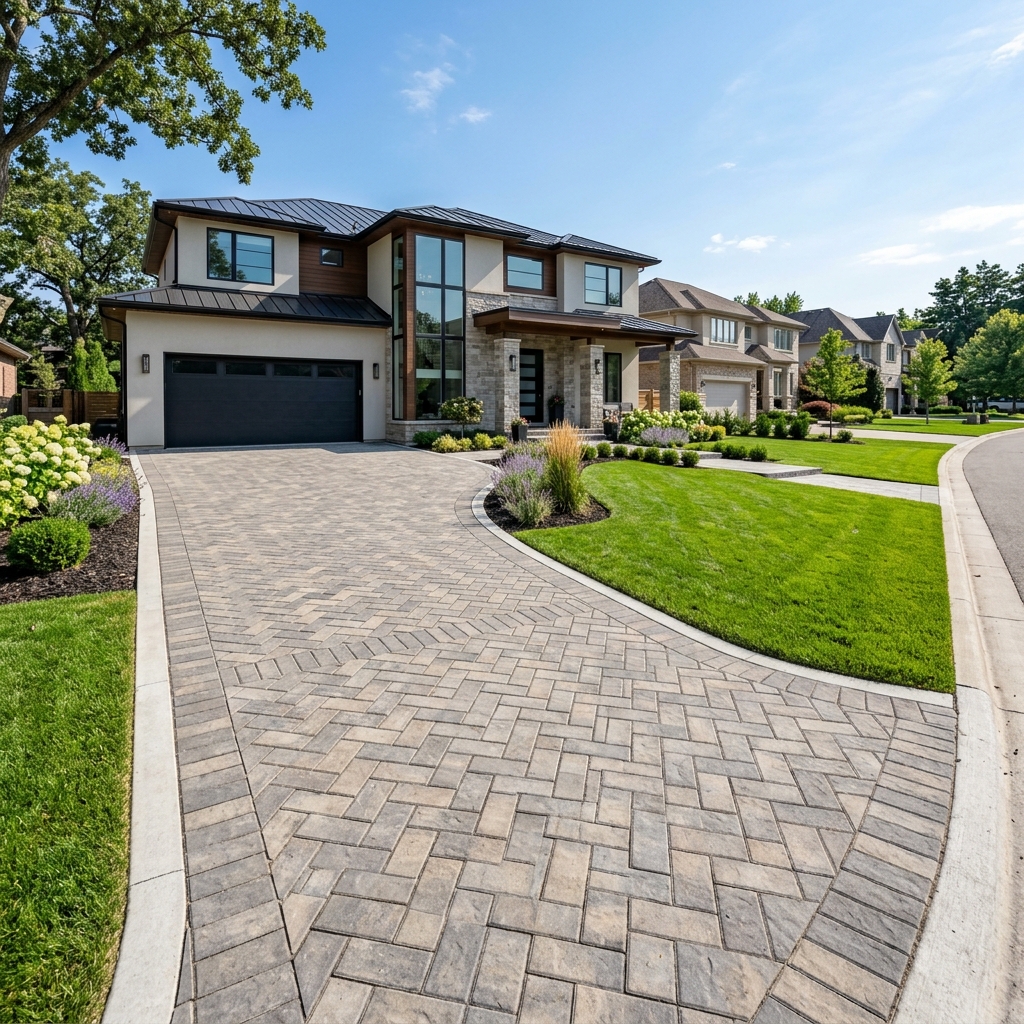
Repair or Replace? A Tampa Homeowner's Guide to Paving & Concrete Damage
Florida's unique climate, characterized by intense sun, heavy rainfall, and hurricane seasons, places significant stress on paving and concrete surfaces. From residential driveways to commercial parking lots, understanding the nuances of pavement damage and knowing when to call in local professionals is key to protecting your investment. This guide, brought to you by Tampa Concrete & Paving, will walk you through the decision-making process, common local challenges, and what to expect from a professional assessment.
When Should I Repair Versus Replace My Pavement in Tampa?
The repair-or-replace dilemma is a common one for property owners. Making the right choice depends on several critical factors, primarily the extent and nature of the damage, the age of the pavement, and your budget.
- Minor Surface Issues: For superficial cracks (less than ¼ inch wide), small potholes, or minor spalling (surface flaking), targeted repairs are often sufficient. Techniques like crack filling, patching, or sealcoating can effectively address these issues, preventing further water penetration and extending the pavement's lifespan. These are generally more cost-effective and quicker solutions.
- Moderate Deterioration: If you're seeing alligator cracking (interconnected cracks resembling alligator scales) over less than 25% of the surface, or if there are several small to medium-sized potholes, you might still consider extensive repairs. This could involve asphalt overlays or partial concrete slab replacements, but a thorough professional assessment is vital.
- Extensive Structural Failure: When damage is widespread – covering more than 25-30% of the surface – or indicates deeper structural problems, a full replacement is usually the most economical and safe long-term solution. Signs of structural failure include significant dips, large potholes affecting the sub-base, widespread crumbling, or severe drainage issues that lead to constant water pooling. Attempting to repair deeply compromised pavement often results in recurring problems and wasted resources.
- Age and Material Fatigue: Pavement has a finite lifespan. Asphalt typically lasts 15-20 years, while concrete can last 20-30+ years, depending on maintenance, traffic, and environmental factors. If your pavement is nearing or past its expected lifespan and showing significant signs of wear, replacement often provides better value and peace of mind than continuous, costly repairs.
Ultimately, a professional evaluation is the best way to determine the most appropriate course of action. Our experts at Tampa Concrete & Paving can assess your specific situation and recommend the most effective and cost-efficient solution.
What Are the Common Signs of Pavement Failure in Florida's Climate?
Tampa's tropical climate presents unique challenges for pavement. Understanding these specific vulnerabilities helps property owners identify problems early.
- Alligator Cracking: Often caused by sub-base failure due to heavy loads or inadequate drainage. In Florida, heavy rains can saturate the sub-base, weakening it and leading to this characteristic pattern.
- Potholes: Form when water seeps into cracks, freezes (less common in Tampa, but still possible during cold snaps), expands, and then thaws, eroding the material beneath. The constant cycle of heat and rain also contributes to material degradation.
- Fading and Oxidation: Intense UV radiation from the Florida sun can cause asphalt to lose its dark color and become brittle, making it more susceptible to cracking. Concrete can also show signs of surface deterioration.
- Spalling: Common in concrete, where the surface layers flake off. This can be due to improper finishing, freeze-thaw cycles (even mild ones), or exposure to de-icing salts (though less common in Tampa, saltwater spray near coastal areas can mimic this effect).
- Sinking or Uneven Surfaces: Often indicative of sub-base erosion, poor compaction during installation, or expansive clay soils (though less prevalent in Tampa's sandy soil, localized issues can occur). Tree roots are also a significant culprit in Safety Harbor and other green areas, pushing up and cracking pavement.
- Drainage Issues: Standing water on pavement is a major red flag. It accelerates deterioration, leads to sub-base weakening, and can pose slip hazards. Florida's torrential downpours make proper grading and drainage absolutely critical for pavement longevity.
- Efflorescence: White, powdery deposits on concrete surfaces. This occurs when water carries soluble salts to the surface and evaporates, leaving the salts behind. While often cosmetic, it can indicate excessive moisture within the concrete.
Early detection and intervention are crucial in mitigating these issues and extending the life of your paved surfaces.
What Happens During a Professional Paving & Concrete Inspection?
When you contact Tampa Concrete & Paving, our process for assessing your pavement damage is thorough and designed to provide a precise diagnosis.
- Initial Site Visit and Visual Assessment: Our experienced technicians will visit your property in Tampa, or even nearby areas like Clearwater, to perform a comprehensive visual inspection. We'll identify all visible signs of distress, including cracks, potholes, uneven areas, and drainage problems.
- Detailed Measurements and Documentation: We'll measure the affected areas, assess the depth and severity of damage, and document our findings with photos. This helps in accurately quoting the project and explaining the scope of work.
- Sub-Base Evaluation: Often, surface problems are symptoms of deeper issues. We'll evaluate the underlying sub-base for signs of instability, poor drainage, or erosion. This might involve probing, observing soil conditions, and checking for water pooling.
- Material Analysis: We'll identify the type of existing pavement (asphalt, concrete, pavers) and assess its current condition, including signs of material fatigue or improper installation.
- Drainage Assessment: Proper drainage is paramount in Florida. We'll evaluate the existing grading and drainage systems to identify areas where water collects, as these are primary contributors to pavement deterioration.
- Traffic Load Consideration: For commercial properties, we'll consider the type and volume of traffic the pavement endures, as this impacts material choice and structural requirements for repairs or replacement.
- Comprehensive Report and Recommendation: Following the inspection, you'll receive a detailed report outlining our findings, a clear explanation of the root causes of the damage, and our expert recommendation for either repair or replacement. We'll provide a transparent, itemized quote for the proposed work, empowering you to make an informed decision.
Understanding the Cost Factors for Paving & Concrete Projects in Tampa, FL
The cost of paving and concrete services in Tampa can vary significantly based on several factors. Understanding these elements will help you budget effectively.
- Project Size and Scope: Larger areas naturally require more materials and labor. The extent of the damage – whether it's a small patch or a full tear-out and replacement – is the primary cost driver.
- Material Choice: Asphalt is generally less expensive per square foot than concrete for installation, though concrete often boasts a longer lifespan with proper maintenance. Decorative concrete or pavers will have higher material and labor costs.
- Sub-Base Work: If the underlying sub-base is compromised and requires extensive repair, stabilization, or replacement, this will add significantly to the overall cost. This is a crucial step that should never be skipped to ensure longevity.
- Demolition and Hauling: Removing old, damaged pavement and hauling it away for disposal is a necessary expense that's factored into replacement projects.
- Accessibility: Projects in hard-to-reach areas or those requiring specialized equipment for tight spaces might incur additional labor or equipment costs.
- Permitting: Depending on the size and nature of the project, local permits may be required in Tampa, adding a small administrative cost. Our team can guide you through this process.
- Drainage Solutions: If the inspection reveals inadequate drainage, installing new drains, catch basins, or re-grading the area will be an additional but essential investment.
While repair projects are typically less expensive upfront, it's vital to consider the long-term value. A cheap repair that doesn't address the root cause might only delay an inevitable, more costly replacement. Tampa Concrete & Paving provides detailed estimates, ensuring you understand every aspect of your investment.
Don't let damaged paving or concrete compromise your property's safety, aesthetics, or value. With Tampa's challenging climate, proactive assessment and professional intervention are essential. Our team is ready to provide the expertise and quality workmanship you need.
If you're noticing signs of damage on your driveway, parking lot, or pathways, don't wait for the problem to worsen. Contact Tampa Concrete & Paving today for a comprehensive, no-obligation inspection and expert recommendation. Protect your investment with local professionals who understand Tampa's specific paving and concrete needs. Call us now to schedule your consultation!
Need Professional Assistance?
Get a free, no-obligation estimate from our expert local team today.