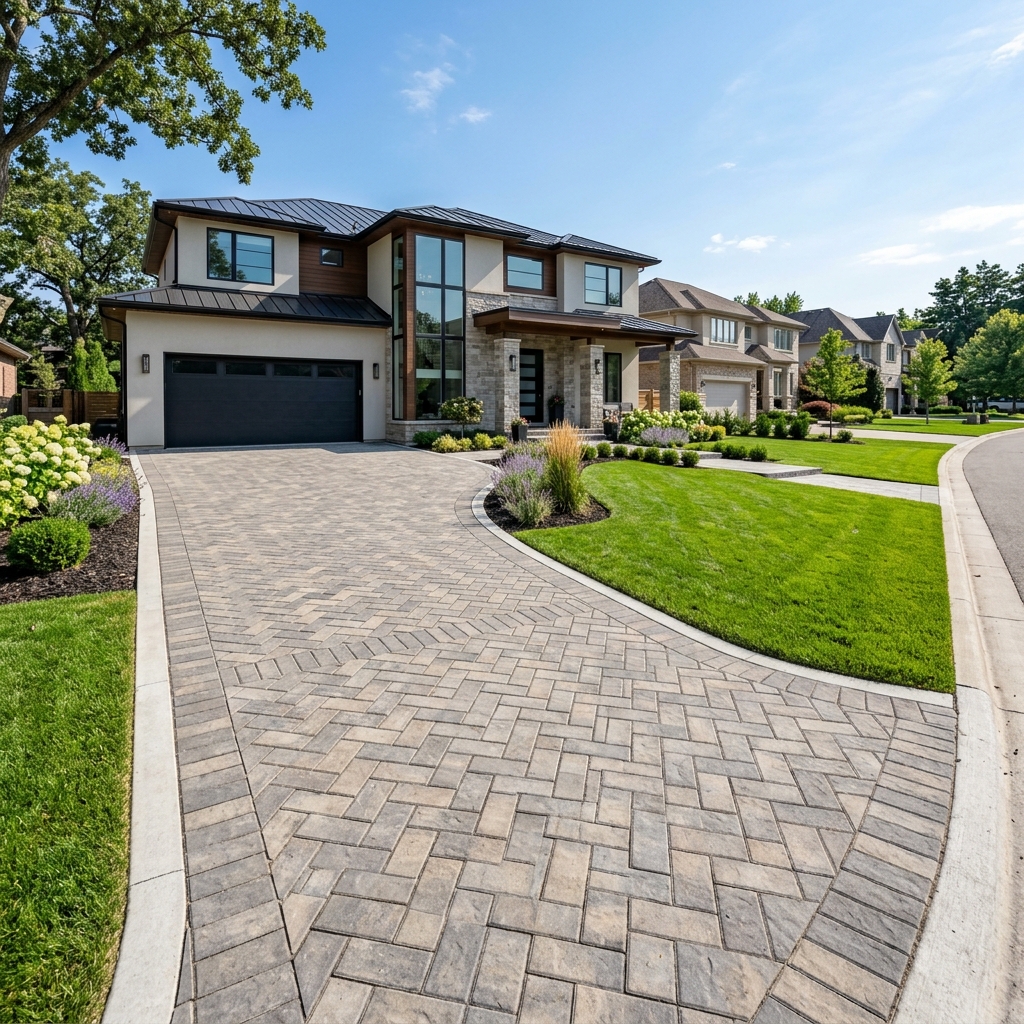
Tampa Paving Problems: Spotting Critical Damage & When to Call Pros
Tampa's unique climate, with its intense heat, heavy rainfall, and subtropical soil conditions, places significant stress on asphalt and concrete surfaces. Recognizing the early signs of critical paving damage is crucial for property owners, as timely intervention by experienced local professionals like Tampa Concrete & Paving can prevent costly structural failures, enhance safety, and extend the life of your paved assets.
What Common Paving Problems Affect Tampa Properties?
Paved surfaces in Tampa are constantly battling the elements. From scorching summer sun to torrential downpours and fluctuating humidity, these factors contribute to specific types of deterioration. Understanding these common problems is the first step in protecting your property.
- Cracking: Pavement cracks come in various forms, each signaling different underlying issues.
- Alligator Cracking: Often resembling alligator skin, these interconnected cracks indicate significant sub-base failure due to water infiltration or heavy loads. This is a critical sign that structural integrity is compromised.
- Longitudinal and Transverse Cracks: Running parallel or perpendicular to the pavement's direction, these can be caused by thermal expansion/contraction, poor construction joints, or movement in the sub-base. Left untreated, they allow water to penetrate deeper, exacerbating damage.
- Edge Cracks: Occurring within a foot or two of the pavement's edge, often due to lack of support at the edges or heavy traffic encroaching on unsupported areas.
- Potholes: A common and frustrating problem, potholes form when water seeps into cracks, freezes (less common in Tampa but still a factor with heavy rain and cooler temps), expands, and then thaws, weakening the asphalt. Traffic then dislodges the weakened material, creating a hole. Potholes are not just an eyesore; they are a significant safety hazard.
- Rutting and Depressions: These are channelized depressions in the wheel paths, caused by repeated heavy loads on pavement that lacks adequate structural strength or has softened due to heat. They can collect water, leading to hydroplaning risks and further sub-base erosion.
- Upheaval and Shoving: Upheaval is an upward bulge in the pavement due to expansive soils or tree roots growing underneath. Shoving is a localized displacement of pavement material, usually at intersections or heavy braking zones, caused by unstable asphalt mix or insufficient compaction. In Tampa, South Tampa properties often contend with tree root intrusions.
- Bleeding and Raveling: Bleeding occurs when excess asphalt binder rises to the surface, creating a shiny, slick area that can reduce skid resistance. Raveling is the dislodging of aggregate particles from the asphalt surface, making it rougher and more susceptible to further damage.
How Does Tampa's Climate Impact Pavement Lifespan?
Tampa's subtropical climate is a beautiful backdrop for living, but it's exceptionally hard on paving materials. The relentless combination of heat, humidity, and heavy rainfall accelerates the degradation process.
- Intense UV Radiation and Heat: The Florida sun causes asphalt to oxidize and become brittle, leading to cracking. High temperatures also make asphalt softer, more prone to rutting under heavy loads. Concrete can also suffer from thermal expansion and contraction, leading to stress cracks.
- Heavy Rainfall and Humidity: Water is the ultimate enemy of paved surfaces. Persistent rain allows water to penetrate cracks, saturating the sub-base. A saturated sub-base loses its load-bearing capacity, leading to pavement failure. Humidity also contributes to chemical degradation.
- Expansive Soils: While less common than in some other regions, certain soil types in Tampa can be expansive, meaning they swell when wet and shrink when dry. This movement puts tremendous stress on overlying pavement, causing cracks and upheaval.
- Tree Root Intrusion: Mature trees are a beloved feature of the Tampa landscape, but their expansive root systems can lift and crack driveways, parking lots, and sidewalks. This is a particularly common issue in established neighborhoods like Palma Ceia.
Repair or Replace: How to Make the Right Decision for Your Tampa Property?
Deciding whether to repair a damaged section or completely replace a paved area is a critical decision that impacts both your budget and the longevity of your investment. A professional assessment from Tampa Concrete & Paving is essential.
Factors to Consider:
- Extent of Damage: If localized cracks and potholes are the primary issue, repairs like crack sealing, patching, or resurfacing (overlay) might suffice. However, if damage is widespread (e.g., over 25-30% of the surface), exhibiting severe alligator cracking, significant rutting, or sub-base failure, full replacement is often the more cost-effective long-term solution.
- Age of Pavement: Older pavements are naturally closer to the end of their service life. If your asphalt driveway is 15-20+ years old or your concrete slab is 30+ years old and showing significant wear, even extensive repairs may only offer a temporary fix.
- Budget vs. Longevity: While repairs are typically cheaper upfront, they may be a recurring cost if the underlying issues aren't addressed. Replacement, though more expensive initially, provides a brand-new surface with a much longer lifespan, offering better value over time.
- Underlying Issues: If the sub-base is compromised, simply patching the surface will not resolve the problem, and damage will quickly reappear. A professional inspection can determine the integrity of the base layers.
What Happens During a Professional Paving Inspection?
When you call Tampa Concrete & Paving, our process begins with a thorough and professional inspection. This isn't just a quick glance; it's a comprehensive assessment designed to diagnose the root cause of your paving problems.
Our Inspection Process Typically Includes:
- Visual Assessment: Our technicians will meticulously examine your asphalt or concrete for all types of cracks, potholes, rutting, depressions, and surface anomalies. We'll note patterns and severity.
- Drainage Evaluation: Poor drainage is a leading cause of pavement failure. We'll assess the existing drainage patterns, look for standing water, and identify areas where water might be infiltrating the sub-base.
- Sub-Base Analysis: While not always possible without destructive testing, experienced eyes can often infer sub-base issues from surface distress. We'll look for signs of instability or inadequate support.
- Traffic Load Assessment: Understanding the type and volume of traffic your paved surface endures helps us recommend appropriate solutions. A residential driveway has different needs than a commercial parking lot.
- Soil and Environmental Considerations: We'll take into account the local soil conditions and environmental factors unique to your Tampa location that might be contributing to the damage.
- Detailed Report and Recommendations: Following the inspection, we provide a clear, detailed report outlining our findings, the recommended solutions (repair vs. replace), and a transparent, itemized estimate. We’ll explain the 'why' behind our recommendations, ensuring you make an informed decision.
When Should I Call Tampa Concrete & Paving for Urgent Repairs?
Certain paving issues demand immediate attention to prevent escalation of damage, ensure safety, and avoid more expensive repairs down the line. If you notice any of the following, don't delay – contact Tampa Concrete & Paving promptly.
- Sudden Appearance of Potholes: Especially large or deep ones, as they pose an immediate trip hazard for pedestrians and can cause significant damage to vehicles.
- Rapidly Expanding Cracks: If cracks are growing quickly in length or width, or new alligator cracking appears, it signals accelerated deterioration and potential sub-base issues.
- Significant Depressions or Rutting: Areas where water consistently pools or where the pavement has noticeably sunk indicate structural failure and drainage problems that need swift resolution.
- Loose Aggregate or Raveling: If your asphalt surface is shedding stones or becoming very rough, it's losing its structural integrity and will quickly degrade further.
- Uneven or Heaving Pavement: This can be a sign of active tree root invasion or severe sub-base movement, creating trip hazards and compromising foundations.
- Water Seepage Through Cracks: Any sign of water visibly entering or exiting through cracks suggests a compromised sub-base.
Ignoring these warning signs is akin to ignoring a leak in your roof – it will only get worse. Early detection and professional repair can save you significant time, money, and headaches. Our team at Tampa Concrete & Paving is equipped with the expertise and resources to address all your urgent paving and concrete needs, delivering durable, high-quality solutions designed to withstand Tampa's challenging environment.
Don't let paving problems compromise the safety, aesthetics, or value of your Tampa property. Contact Tampa Concrete & Paving today for a professional inspection and a no-obligation estimate. We're here to help you preserve your investment.
Need Professional Assistance?
Get a free, no-obligation estimate from our expert local team today.