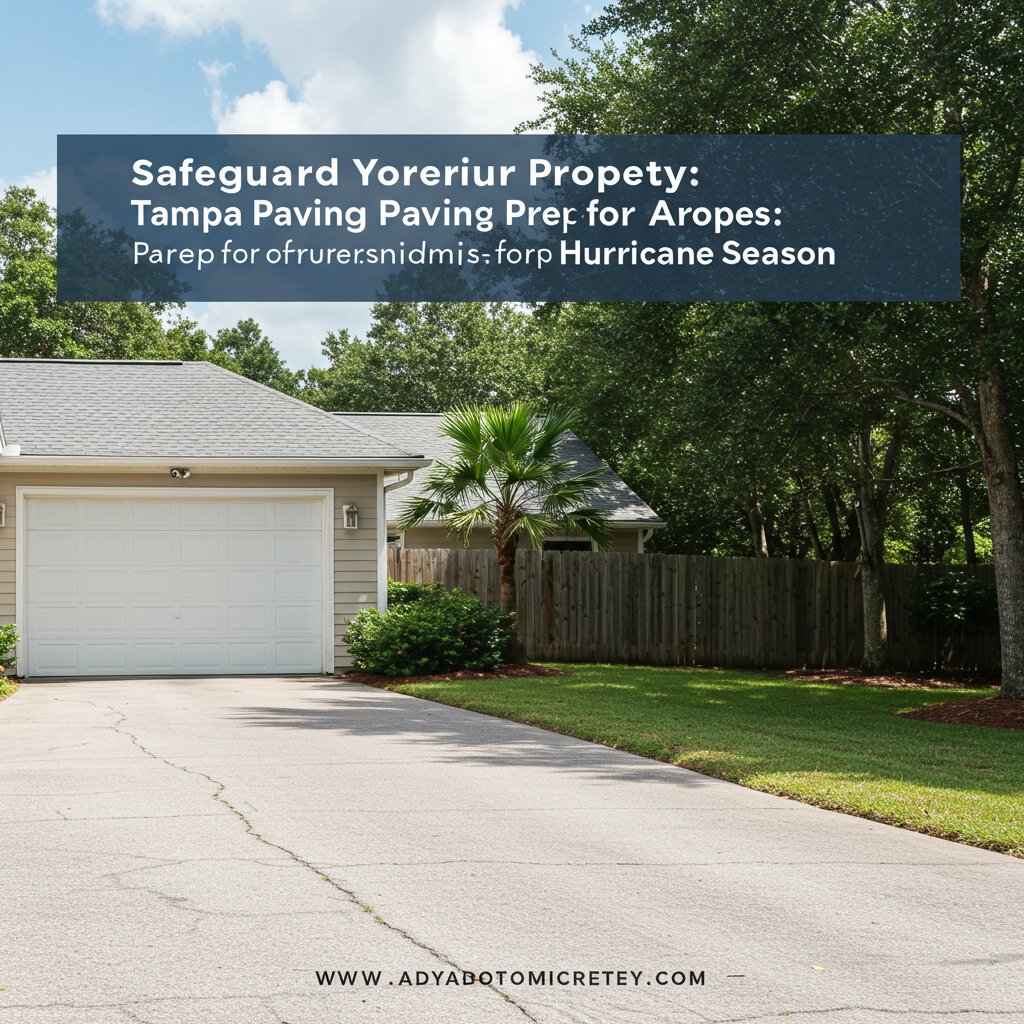
Safeguard Your Property: Tampa Paving Prep for Hurricane Season
Why is Hurricane Preparedness Crucial for Tampa Paving?
Living in Tampa means enjoying beautiful weather for most of the year, but it also means facing the unique challenges of hurricane season. For property owners, understanding how hurricanes impact your paving – whether it's an asphalt driveway, concrete parking lot, or a pedestrian pathway – is critical. The combination of torrential rain, high winds, and potential flooding can wreak havoc on even the most robust paving systems, leading to costly damage and safety hazards.
The extreme moisture from hurricanes can infiltrate existing cracks and expand beneath the surface, eroding the sub-base and causing significant structural failure, such as widespread potholes or concrete slab settlement. High winds can turn loose debris into projectiles, scarring surfaces or dislodging paving stones. Without proper preparation, what might start as a minor crack can quickly escalate into a major repair project, undermining your investment and posing risks to vehicles and pedestrians. Proactive hurricane preparedness for your Tampa paving isn't just about saving money; it's about maintaining structural integrity, extending lifespan, and ensuring the safety of your property.
What Are the Key Steps for Pre-Hurricane Paving Inspection?
Before hurricane season fully kicks in, a thorough inspection of your Tampa property's paving is your first line of defense. This isn't just a casual glance; it requires a detailed look at all paved surfaces. Knowing what to look for can help you identify potential vulnerabilities before they become critical issues during a storm.
- Look for Cracks: Examine all paved areas for hairline cracks, alligator cracking (in asphalt), or larger fissures. Even small cracks can allow water to penetrate the sub-base, leading to erosion and further damage when subjected to heavy rainfall.
- Identify Potholes and Depressions: Any existing potholes or areas where the paving has sunk create natural collection points for water. During a hurricane, these depressions will hold water, accelerating sub-base erosion and expanding the damaged area.
- Check for Uneven Surfaces: Observe if any sections of your driveway or parking lot are uneven or showing signs of settlement. This could indicate a compromised sub-base, which will be exacerbated by saturated ground conditions.
- Inspect Drainage Systems: Ensure all culverts, storm drains, and catch basins around your paved areas are clear of debris. Clogged drainage systems are one of the primary culprits for water pooling and severe paving damage during heavy rain.
- Assess Edges and Joints: Pay close attention to the edges of asphalt driveways or the expansion joints in concrete slabs. Weak or compromised edges can easily crumble under the pressure of water or wind-blown debris.
Identifying these issues early allows for timely intervention, significantly reducing the risk of major damage when a hurricane strikes.
How Can You Proactively Protect Your Driveway and Parking Lots from Storm Damage?
Once you've identified potential issues during your inspection, the next step is to take proactive measures to mitigate risks. These actions can drastically improve your paving's resilience against the severe conditions of a Tampa hurricane.
- Clear All Debris: Before a storm, remove any loose items from your paved surfaces and surrounding areas. This includes patio furniture, trash cans, fallen branches, and even smaller rocks or gravel. These can become dangerous projectiles in high winds, causing impact damage to your paving.
- Ensure Superior Drainage: Re-verify that all storm drains, gutters, and downspouts are clean and functioning correctly, directing water away from paved surfaces. Consider temporary barriers or sandbags in areas prone to pooling or flooding to divert water flow.
- Seal Cracks and Potholes: For minor cracks and small potholes, DIY sealants can offer a temporary fix. However, for significant damage, it's crucial to call professionals. Sealing prevents water intrusion, which is the most destructive force during a hurricane. Our expertise at Tampa Concrete & Paving ensures these repairs are done effectively, offering lasting protection.
- Apply or Reapply Sealcoat/Sealer: A quality sealcoat for asphalt or a penetrating sealer for concrete provides an extra layer of protection. These act as a barrier against water penetration, UV rays, and surface wear, making your paving more resilient to harsh weather.
- Trim Overhanging Branches: Any tree branches overhanging your paved areas should be trimmed well in advance of hurricane season. Strong winds can snap these branches, causing them to fall onto your driveway or parking lot, leading to significant damage.
By taking these preventative steps, you are not just preparing for a storm; you are investing in the long-term health and safety of your property's valuable infrastructure.
What Should You Do Immediately After a Hurricane Passes in Tampa?
Once the hurricane has passed and it's safe to venture outside, your immediate post-storm actions are just as important as your preparations. Swift and careful assessment can prevent further damage and expedite recovery.
- Prioritize Safety: Before inspecting any damage, ensure the area is safe. Be aware of downed power lines, gas leaks, standing water, and hidden debris. Do not walk through floodwaters.
- Clear Remaining Debris: Carefully remove any branches, leaves, trash, or other debris that has accumulated on your paved surfaces. This prevents staining, allows for proper drying, and makes it easier to assess the underlying condition.
- Assess and Document Damage: Systematically inspect all paved areas for new cracks, enlarged potholes, erosion, or sections that have lifted or settled. Take clear, well-lit photos and videos of all damage from multiple angles. This documentation is invaluable for insurance claims and professional repair assessments.
- Address Standing Water: If safe to do so, try to clear any standing water on your paving. Prolonged exposure to water can soften asphalt or undermine concrete slabs even further.
- Contact Professionals for Immediate Assessment: Even if the damage appears minor, it's wise to contact a professional paving contractor like Tampa Concrete & Paving for an expert assessment. Hidden damage to the sub-base might not be immediately visible, but it can lead to severe problems down the line. We can provide temporary repairs to prevent further deterioration while permanent solutions are planned.
Quick action after a hurricane helps to stabilize the situation and ensures that your paved surfaces can be restored efficiently and effectively.
Protecting your Tampa property's paving from hurricane season's severe impacts is a critical aspect of home and business ownership. From diligent pre-storm inspections to proactive protective measures and swift post-storm responses, every step plays a vital role in preserving the integrity and safety of your paved surfaces. Don't leave your investment to chance when facing Florida's formidable weather. At Tampa Concrete & Paving, we are your local experts, ready to assist with comprehensive inspections, preventative maintenance, and rapid, professional repairs. Contact Tampa Concrete & Paving today for an expert assessment and ensure your property is ready for whatever hurricane season brings.
Need Professional Assistance?
Get a free, no-obligation estimate from our expert local team today.