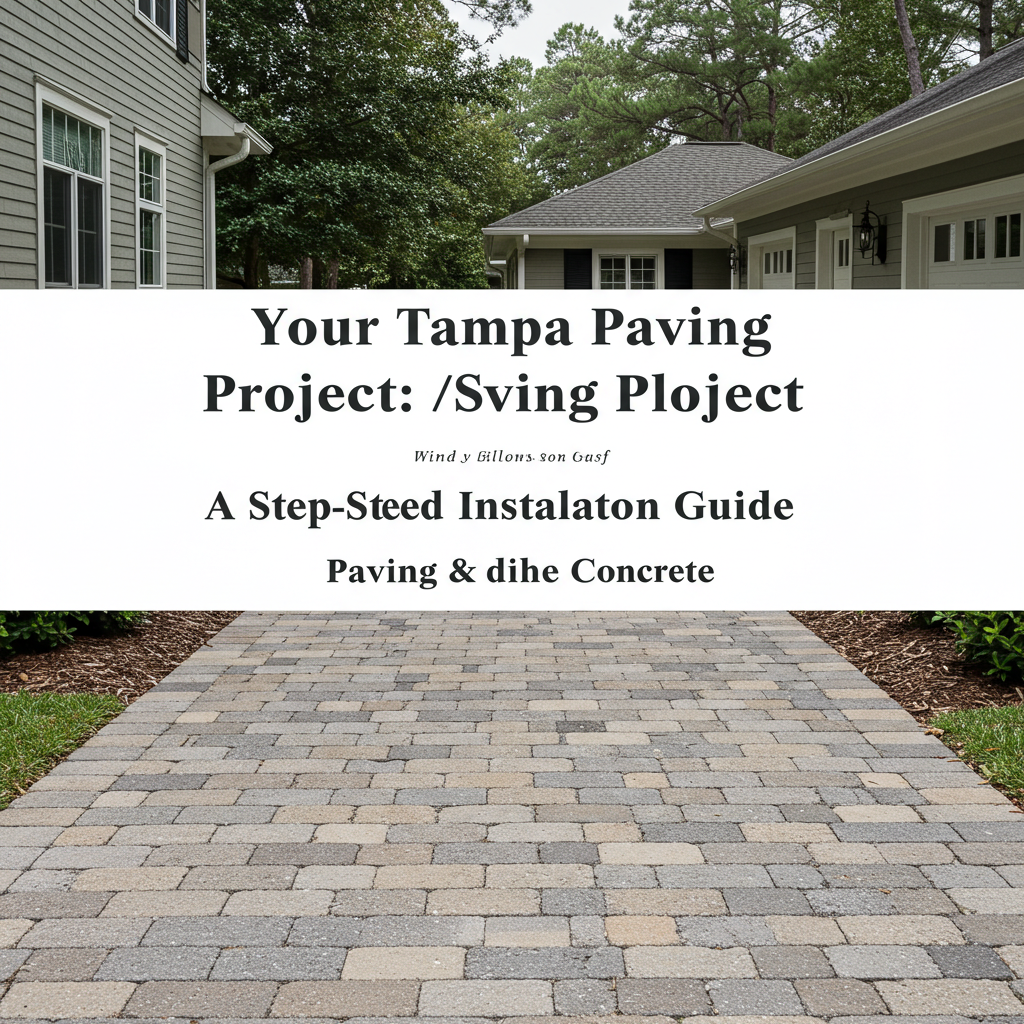
Your Tampa Paving Project: A Step-by-Step Installation Guide
What is the first step in a professional paving project in Tampa?
Every successful paving or concrete project in Tampa begins long before any material is laid: with a detailed site assessment and design consultation. This crucial initial phase sets the foundation for durability, functionality, and aesthetic appeal. Professional paving contractors, like Tampa Concrete & Paving, start by visiting your property to understand the specific characteristics of your site. This involves:
- Understanding Your Vision: Discussing your needs, preferences for materials (asphalt, concrete, pavers), desired look, and budget. Do you envision a sleek concrete driveway, a charming paver patio, or a durable asphalt surface?
- Site Evaluation: Assessing the existing ground conditions, including soil type, slope, and drainage patterns. Tampa's unique sandy soils and high water table necessitate a thorough understanding of these factors to prevent future issues like erosion or water pooling.
- Measurements and Layout: Taking precise measurements of the area to be paved. This ensures accurate material estimates and a design that perfectly fits your space.
- Permit Requirements: Identifying any local zoning ordinances or permitting requirements specific to Tampa and Hillsborough County. Navigating these regulations can be complex, and a reputable contractor will handle this process for you, ensuring compliance and preventing delays.
- Customized Design Proposal: Based on the assessment, a detailed proposal is created, outlining the scope of work, materials, timeline, and cost. This ensures complete transparency and alignment between your expectations and the project's execution.
This comprehensive initial step is vital because it addresses potential challenges proactively, guaranteeing that the final product is not only beautiful but also structurally sound and compliant with all local standards. It's an investment in the longevity and performance of your new paved surface.
How do Tampa paving companies prepare the ground for a new surface?
Proper ground preparation, also known as sub-base work, is arguably the most critical stage of any paving or concrete installation in Tampa. Without a meticulously prepared base, even the highest quality materials will fail prematurely. This stage is particularly vital in Florida due to our often-sandy, sometimes unstable soil. Here’s how professionals approach it:
- Clearing and Excavation: The first physical step is clearing the area of any existing vegetation, debris, or old paving. Excavation then removes unsuitable soil to the correct depth, creating a stable foundation for the new surface. The depth of excavation depends on the paving material and expected load (e.g., a heavy-duty commercial driveway will require deeper excavation than a residential patio).
- Grading for Drainage: The ground is then precisely graded to ensure proper water runoff. This is paramount in Tampa's climate to prevent water accumulation, which can lead to erosion, sub-base weakening, and premature surface deterioration. Slopes are carefully calculated to direct water away from structures and into appropriate drainage systems.
- Sub-base Material Application: A layer of aggregate material, such as crushed stone or limerock, is laid down. This material provides stability, distributes the load evenly, and prevents moisture from migrating up into the surface. The type and thickness of the sub-base material are selected based on soil conditions, expected traffic, and the final paving material.
- Compaction: Each layer of the sub-base material is compacted using heavy machinery. This process removes air pockets, increases density, and creates a firm, unyielding foundation. Proper compaction is essential to prevent settling, cracking, and rutting in the future, especially important for ensuring the longevity of your investment in Florida's humid and sometimes rainy conditions.
- Edge Restraints (for some projects): For pavers or certain concrete applications, edge restraints may be installed at this stage to prevent lateral movement of the paving material and maintain the integrity of the design.
By investing significant time and expertise in ground preparation, Tampa Concrete & Paving ensures that your new driveway or patio will have the robust foundation it needs to withstand daily use, heavy loads, and Florida's challenging weather for decades to come.
What are the main installation steps for asphalt and concrete in Tampa?
Once the sub-base is perfectly prepared, the actual installation of the chosen paving material begins. While both asphalt and concrete provide durable surfaces, their application processes differ significantly.
For Concrete Driveways and Patios:
- Formwork Installation: Wooden or metal forms are meticulously placed and secured around the perimeter of the area. These forms act as a mold, holding the wet concrete in place and defining the exact shape and thickness of the slab. Proper formwork ensures straight edges and the correct finished height.
- Reinforcement: Depending on the project's specifications and expected loads, steel rebar or wire mesh reinforcement is laid within the formwork. This reinforcement dramatically increases the concrete's tensile strength, preventing cracking due to settlement or temperature fluctuations – a common concern in Tampa's varying temperatures.
- Concrete Pouring and Spreading: Ready-mix concrete is delivered to the site and carefully poured into the formwork. Skilled technicians then use shovels and rakes to spread the concrete evenly.
- Screeding and Floating: A long, straight edge (screed) is used to level the concrete, removing any excess and achieving the desired surface height. Floating then follows, which brings a fine layer of cement paste to the surface, eliminating imperfections and preparing it for finishing.
- Finishing and Texturing: Various techniques are employed to achieve the desired surface texture – from smooth troweled finishes to broom finishes (for slip resistance) or decorative stamping for aesthetic appeal. This is where the artistry of concrete work truly shines, customizing the look to your home.
- Curing: After finishing, the concrete must cure slowly and properly. This involves keeping the surface moist for several days (e.g., by covering it with curing blankets or spraying with a curing compound) to allow the concrete to reach its maximum strength and durability. Rushing this stage can lead to weaker, more crack-prone concrete, a risk professional contractors understand and mitigate.
- Joint Cutting: Control joints are cut into the concrete at specific intervals. These intentional, shallow cuts guide where cracks will form naturally as the concrete expands and contracts due to temperature changes, ensuring they remain controlled and less visible.
For Asphalt Driveways and Surfaces:
- Binder Layer Application: A tack coat, a thin layer of asphalt emulsion, is often applied to the prepared sub-base. This acts as an adhesive, ensuring a strong bond between the sub-base and the new asphalt layer.
- Asphalt Paving: Hot asphalt mix, a blend of aggregate and bitumen, is delivered to the site in specialized trucks. It is then laid by an asphalt paving machine (paver) in precise, even layers. The temperature of the asphalt during application is critical for proper compaction and bonding.
- Compaction and Rolling: Immediately after paving, heavy rollers move over the hot asphalt to compact it. This process removes air voids, increases density, and creates a smooth, durable surface. Multiple passes with different types of rollers (breakdown, intermediate, and finish rollers) are used to achieve optimal compaction and a polished finish. Proper compaction is key to preventing raveling and ensuring the longevity of your asphalt in Tampa's climate.
- Edge Tamping: The edges of the asphalt surface are carefully tamped and compacted to provide structural integrity and a clean appearance.
- Cooling and Curing: The asphalt cools relatively quickly, solidifying as it does. While usable sooner than concrete, it continues to cure and harden over several months.
Each material demands specialized equipment and skilled personnel. Tampa Concrete & Paving employs experienced teams proficient in both concrete and asphalt applications, ensuring expert execution of your chosen surface.
What happens after my new driveway or patio is installed in Tampa?
The installation might be complete, but the project isn't over until the final touches and necessary post-installation care instructions are provided. A reputable Tampa paving contractor ensures you understand how to maintain your new investment for years to come.
- Final Inspection: A thorough final inspection is conducted by the project manager and, ideally, with you, the homeowner. This ensures that all work meets the agreed-upon specifications, quality standards, and your satisfaction. Any minor touch-ups or adjustments are handled at this stage.
- Clean-up: The work area is completely cleaned of all debris, equipment, and excess materials, leaving your property tidy and ready to enjoy.
- Curing Period & Usage Guidelines: You will receive specific instructions regarding the curing period for your new surface. For concrete, this typically means avoiding heavy vehicle traffic for at least 7-10 days, with full strength achieved around 28 days. Asphalt usually can handle light traffic sooner, but it's crucial to follow the contractor's advice on when to resume normal use to prevent damage during the initial hardening phase.
- Maintenance Recommendations: Professional contractors provide essential maintenance advice tailored to your new surface. This might include:
- For Concrete: Recommendations for periodic sealing (especially in Tampa's humid environment to protect against moisture and UV rays), cleaning techniques, and advice on avoiding harsh chemicals.
- For Asphalt: Guidance on crack sealing, regular cleaning, and when to consider sealcoating to extend its lifespan and maintain its appearance.
- Warranty Information: Reputable companies like Tampa Concrete & Paving stand by their work. You will receive information on any warranties covering materials and workmanship, providing you with peace of mind.
Understanding each step of the paving and concrete installation process empowers you to make informed decisions and appreciate the craftsmanship involved. When you choose Tampa Concrete & Paving, you're not just getting a new driveway or patio; you're investing in a meticulously planned and expertly executed project designed to enhance your property's value and curb appeal for years. From the initial consultation to the final inspection and beyond, we are committed to delivering superior results and unmatched customer service across the Tampa Bay area. Contact us today to start your paving journey with confidence.
Need Professional Assistance?
Get a free, no-obligation estimate from our expert local team today.