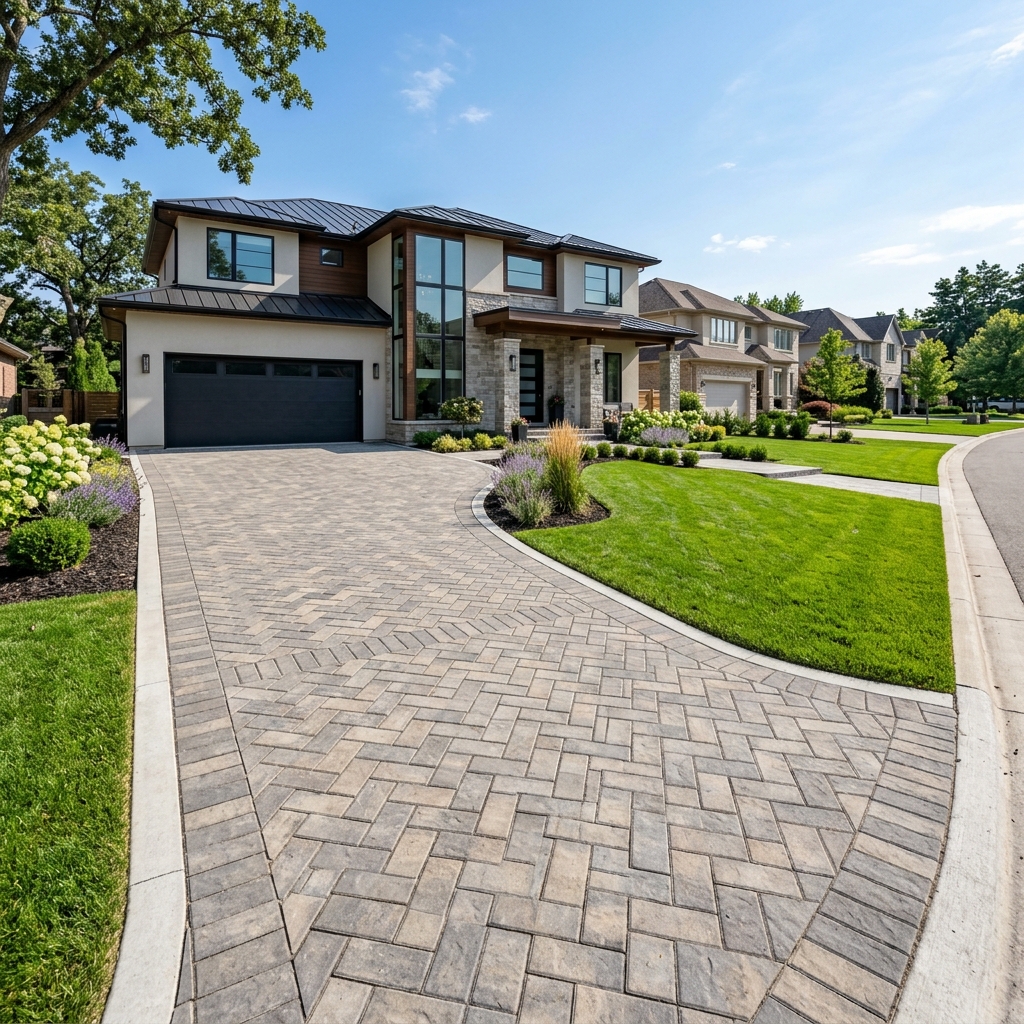
Maximize Your Tampa Paving & Concrete Lifespan: Expert Repair vs. Replace Guide
Maintaining robust driveways, parking lots, and walkways is not just about aesthetics; it's about safety, property value, and preventing future expenses. For both homeowners and businesses in Tampa, distinguishing between a viable repair and an unavoidable replacement can be a complex decision. This guide aims to demystify that process, offering expert insights tailored to our local environment.
What Factors Dramatically Affect Your Pavement's Lifespan in Tampa, FL?
Paving and concrete surfaces are constantly battling the elements, and in Tampa, these battles are particularly intense. Understanding these stressors is key to appreciating why professional care is essential:
- Intense UV Radiation and Heat: Florida's year-round sun beats down on asphalt and concrete, causing thermal expansion and contraction. Over time, this leads to cracking, fading, and brittleness. Asphalt, in particular, can oxidize and lose its flexibility, becoming more susceptible to damage.
- Heavy Rainfall and Humidity: Our frequent, torrential downpours can infiltrate even the smallest cracks, eroding the sub-base beneath your pavement. Once the sub-base integrity is compromised, the surface layer loses its support, leading to settling, potholes, and further cracking. High humidity also accelerates material degradation.
- Sandy Soil Conditions: Tampa's characteristic sandy soil, while offering good drainage when properly compacted, can become unstable if not prepared correctly. Poor compaction or excessive moisture can lead to shifting and settlement, causing the paved surface above to crack and deform.
- Tree Root Invasion: The lush tropical landscaping that defines Tampa also poses a significant threat. Aggressive tree roots can lift, crack, and break apart paving and concrete structures from beneath. This is a common issue that requires expert diagnosis and often specialized solutions.
- Heavy Traffic Loads: Commercial properties and even residential driveways with multiple heavy vehicles experience significant wear. Constant pressure, especially combined with high temperatures, can accelerate rutting, aggregate dislodgement, and structural fatigue in asphalt and concrete.
Each of these factors contributes to the natural degradation of your surfaces. Recognizing their impact helps you understand why some issues are superficial and others indicate deeper, more critical problems.
How Do I Know If My Pavement Needs Repair or Replacement in Tampa?
Identifying the difference between repairable damage and an issue that mandates replacement requires a keen eye and understanding of the underlying causes. Here are key indicators:
Signs Your Pavement Might Need Repair:
- Minor Cracks: Small, hairline cracks (less than ¼ inch wide) are often surface-level issues and can be sealed to prevent water intrusion.
- Small Potholes: Isolated potholes, especially if shallow, can be patched effectively, restoring a smooth surface.
- Fading or Discoloration: While cosmetic, this can be a sign of surface wear. A sealcoat for asphalt or a reseal for concrete can protect against further environmental damage.
- Isolated Spalling or Chipping (Concrete): Small areas where the concrete surface is flaking or peeling can often be patched or resurfaced.
Signs Your Pavement Is Likely Nearing Replacement:
- Extensive Alligator Cracking (Asphalt): A network of interconnected cracks resembling alligator skin indicates severe sub-base failure or widespread structural weakness. Patches in this scenario are temporary and ineffective.
- Numerous Deep Potholes: A driveway or lot riddled with large, deep potholes suggests systemic failure of the base material. Trying to patch every pothole becomes inefficient and costly.
- Significant Sagging or Depressions: Areas where the pavement has visibly sunken are clear signs of sub-base erosion or instability, often requiring reconstruction.
- Large and Wide Cracks (Concrete): Cracks wider than ½ inch, or those that run through multiple panels, often indicate foundational problems that compromise structural integrity.
- Heaving Due to Tree Roots: If tree roots have significantly lifted and cracked large sections of your pavement, repair is usually temporary. The root issue (pun intended) needs to be addressed, which often means removing the affected section and reconstructing it with root barriers.
- Multiple Failed Patches: If your surface has been patched repeatedly and new issues keep emerging in adjacent areas, it's a strong signal that the underlying structure is failing.
For businesses in Westshore, ensuring their parking lots meet safety and aesthetic standards is crucial for customer experience and compliance. These signs apply equally to commercial and residential properties throughout Tampa.
What's Involved in a Professional Paving Assessment by Tampa Concrete & Paving?
When you contact Tampa Concrete & Paving for an evaluation, you're getting more than just a quote. Our process is thorough and designed to provide you with the most accurate diagnosis and cost-effective solutions:
- Initial Site Visit and Visual Inspection: Our experienced technicians will conduct a detailed visual assessment of your paving or concrete surface, noting all visible signs of distress, including crack patterns, potholes, drainage issues, and signs of erosion or root intrusion.
- Sub-Base Evaluation: Using specialized tools and expertise, we assess the condition of the sub-base. This might involve looking for soft spots, uneven settling, or indications of water damage beneath the surface. Understanding the sub-base is critical, as it is the true foundation of your pavement.
- Drainage Analysis: Poor drainage is a leading cause of premature pavement failure in Florida. We evaluate your current drainage systems and identify areas where water may be pooling or not shedding properly, recommending improvements if necessary.
- Material Integrity Check: For asphalt, we assess the binder's condition and aggregate interlock. For concrete, we look for signs of spalling, scaling, or alkali-silica reaction (ASR), which can indicate material breakdown.
- Root Cause Identification: We don't just treat symptoms. Our goal is to identify the underlying cause of the damage – be it poor drainage, heavy loads, root growth, or initial construction flaws – to recommend a solution that offers long-term durability.
- Detailed Report and Options: You'll receive a comprehensive report outlining our findings, along with clear recommendations for either repair or replacement. We'll present you with transparent pricing for each option, explaining the pros and cons to help you make an informed decision for your specific needs and budget. We prioritize solutions that maximize your investment.
Our team understands the unique challenges faced by properties in Tampa and surrounding areas like Hunter's Green, and our assessments are always tailored to these local conditions.
How Can I Extend the Life of My Paving & Concrete in Tampa?
While some wear is inevitable, proactive measures can significantly prolong the life of your paved surfaces, reducing the likelihood of premature replacement:
- Regular Cleaning: Keep surfaces free of dirt, debris, and chemical spills. Pressure washing can be beneficial, but ensure it's done correctly to avoid damaging the surface.
- Prompt Crack Sealing: This is arguably the most crucial maintenance task. Sealing cracks immediately prevents water from penetrating the sub-base, which is the primary cause of larger, more expensive problems.
- Scheduled Sealcoating (Asphalt): Every 2-3 years, a professional sealcoat application protects asphalt from UV rays, water, and traffic wear, restoring its appearance and flexibility.
- Concrete Sealing: Applying a high-quality penetrating sealer to concrete surfaces helps repel water, resist staining, and reduce the effects of freeze-thaw cycles (though less critical in Tampa, it still offers protection).
- Address Drainage Issues: Ensure gutters are clear, and landscaping promotes water runoff away from paved areas. Installing proper drainage solutions can prevent water accumulation.
- Manage Tree Roots: Work with an arborist to manage tree roots near paved areas. Root barriers can be installed during new construction or reconstruction to mitigate future damage.
- Limit Heavy Loads: Where possible, restrict extremely heavy vehicle traffic or provide designated routes to minimize stress on certain areas of your pavement.
By implementing these preventive strategies, you can push back the need for costly replacements and ensure your Tampa property maintains its curb appeal and safety for years to come.
What Are the Cost Considerations for Paving Projects in Tampa?
Cost is a significant factor in any paving decision. Here's a breakdown of considerations in the Tampa market:
- Repair Costs: Generally, repairs are significantly less expensive than full replacements. Patching small potholes might range from a few hundred dollars, while crack sealing can be billed per linear foot. The cost varies based on the type of damage, the materials needed, and the complexity of access.
- Resurfacing/Overlay Costs: For asphalt, an overlay (adding a new layer over the existing one) is a mid-range option, cheaper than full replacement but more expensive than simple repairs. It's viable only if the sub-base is still sound.
- Replacement Costs: Full replacement, while the most expensive option upfront, often provides the best long-term value for severely damaged surfaces. Costs depend heavily on square footage, material choice (asphalt vs. concrete), excavation needs, sub-base preparation, and disposal fees. Factors like permits, access challenges, and specialized finishes also influence the final price.
- Tampa-Specific Factors: Local labor costs, material availability, and even permitting requirements unique to Tampa can influence project pricing. Demand for services can also play a role seasonally.
- ROI: Consider the return on investment. A well-maintained or new paved surface enhances curb appeal, increases property value, and reduces liability risks for businesses. Neglecting necessary work can lead to exponential costs down the line.
At Tampa Concrete & Paving, we believe in transparent pricing and providing detailed, no-obligation estimates. We help you understand exactly what you're paying for and why, ensuring you receive the best value for your investment in Tampa, FL.
Don't let cracked driveways or damaged parking lots detract from your property's value or safety. If you're observing signs of wear and tear, or are simply unsure about the best course of action for your Tampa property, contact the local experts at Tampa Concrete & Paving today. We offer professional assessments and tailored solutions to ensure your paving and concrete surfaces are durable, beautiful, and built to last. Call us for a comprehensive consultation!
Need Professional Assistance?
Get a free, no-obligation estimate from our expert local team today.