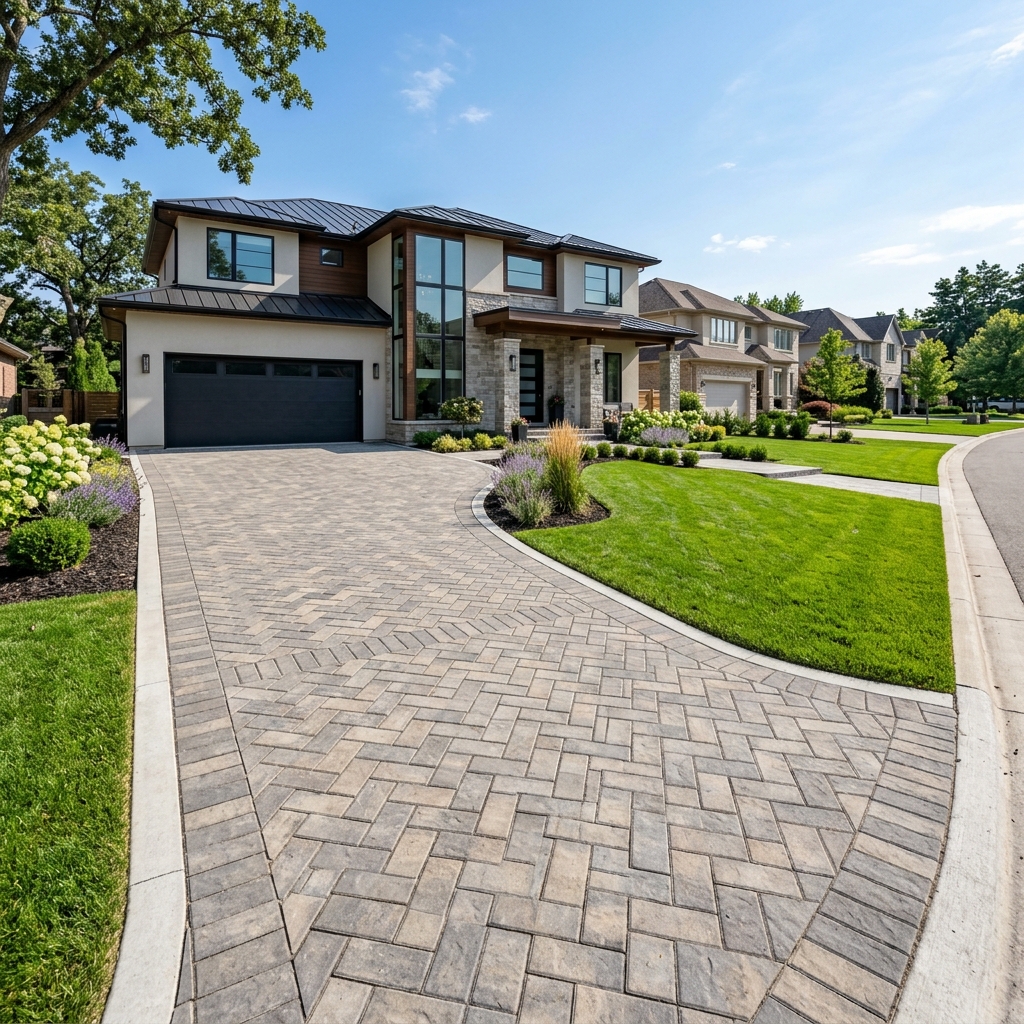
Tampa Paving Crisis: Know When to Repair vs. Replace Your Driveway or Parking Lot
For Tampa property owners, deciding whether to repair minor paving damage or undertake a full replacement is a crucial decision influenced by safety, cost-effectiveness, and long-term durability. Generally, minor cracks and small potholes can be repaired, but extensive cracking, widespread deterioration, significant sub-base issues, or repeated failures often necessitate a full replacement for a lasting solution.
Maintaining functional and aesthetically pleasing paving is essential for any property in Tampa, FL. From residential driveways to commercial parking lots, the condition of your asphalt or concrete directly impacts curb appeal, safety, and property value. However, Tampa's unique climate — intense sun, heavy rainfall, and subtropical soil conditions — presents specific challenges that can accelerate wear and tear, making the repair-or-replace dilemma a frequent concern for local property owners. Understanding the nuances of paving deterioration and knowing when to call in professional experts like Tampa Concrete & Paving can save you significant time, money, and hassle in the long run.
How Do Tampa's Unique Conditions Affect Paving Lifespan?
Tampa's environment is notoriously tough on paved surfaces. Unlike northern climates where freezing and thawing are primary culprits, our region faces a different set of challenges:
- Intense UV Radiation: Constant exposure to the Florida sun degrades asphalt binders, leading to oxidation, fading, and the development of hairline cracks that can quickly deepen. Concrete can also suffer from surface spalling and increased permeability over time.
- Heavy Rainfall and Humidity: Frequent, heavy downpours can infiltrate existing cracks, saturating the sub-base beneath the pavement. A weakened sub-base is the primary cause of structural failure, leading to potholes, alligator cracking, and sunken areas as the pavement loses its support. Poor drainage exacerbates these issues.
- Sandy and Loamy Soils: Tampa's prevalent sandy and loamy soils can be less stable than clay-rich soils, making proper sub-base compaction critical. Soil movement, especially during wet seasons, can lead to uneven settling and cracking of paved surfaces above.
- Tree Root Intrusion: Large trees, common in Tampa landscapes, can cause significant damage. Their expansive root systems can lift and crack concrete and asphalt, creating trip hazards and structural compromise.
- High Traffic Volume and Heavy Loads: For commercial properties, continuous traffic and heavy vehicle loads (especially delivery trucks) on already compromised pavement will accelerate deterioration, turning small issues into major structural failures rapidly.
These factors combine to create a challenging environment for paving. Ignoring early signs of wear often leads to more extensive and costly repairs down the road.
When Can You Simply Repair Pavement vs. Needing a Full Replacement?
The decision to repair or replace hinges on the extent, type, and underlying cause of the damage. A professional assessment from Tampa Concrete & Paving is crucial for an accurate diagnosis.
Signs That Repair is Likely Sufficient:
- Hairline Cracks: Minor, non-structural cracks less than 1/4 inch wide are often surface-level and can be sealed to prevent water intrusion.
- Small Isolated Potholes: If potholes are few, small, and don't indicate widespread sub-base failure, they can be patched effectively.
- Minor Spalling or Fading (Asphalt): Surface deterioration without deep structural damage can often be addressed with sealcoating or thin asphalt overlays.
- Localized Settling: Small areas of sunken concrete can sometimes be lifted using mudjacking or polyjacking techniques, especially if the sub-base is otherwise stable.
Signs That Full Replacement is Likely Necessary:
- Widespread Alligator Cracking: This extensive network of interconnected cracks resembles alligator skin and signifies deep structural failure, usually due to a compromised sub-base. Repairs are temporary and ineffective.
- Numerous or Large Potholes: A high density of potholes, particularly large ones, points to widespread sub-base issues. Patching becomes a continuous, unsustainable cycle.
- Significant Sagging or Depression: Large areas of sinking pavement indicate severe sub-base erosion or instability. This creates significant drainage problems and structural weakness.
- Heaving or Buckling: Often caused by tree roots or expansive soils, if the pavement is severely lifted or buckled, it's a major safety hazard and often requires removal and replacement with proper root barriers or sub-base preparation.
- Repeated Failures: If you're constantly patching the same areas, it's a clear sign that the underlying issue hasn't been resolved, making replacement a more cost-effective long-term solution.
- Water Pooling & Sub-base Saturation: Extensive water ponding on the surface, especially if it leads to sub-base softening, indicates significant drainage or grading issues that may necessitate a full rebuild to correct.
When our team conducts an inspection, we look at the type of pavement (asphalt vs. concrete), the extent of damage, the condition of the sub-base, and the current drainage. For example, if your paving in Apollo Beach shows severe alligator cracking and significant ponding, it's highly likely that a full replacement will be recommended over short-term repairs. We provide a detailed assessment and transparent recommendations, outlining both repair and replacement options where applicable, along with their associated costs and expected lifespans.
What Are the Urgent Signs Your Paving Needs Immediate Professional Attention?
Some paving issues go beyond mere aesthetics and pose immediate risks. Ignoring these can lead to accidents, property damage, and increased liability:
- Large, Deep Potholes: These can cause significant damage to vehicles (tires, suspension) and create serious trip-and-fall hazards for pedestrians.
- Severely Uneven Surfaces: Major changes in elevation, deep ruts, or significant heaving can lead to vehicle control issues and pedestrian falls, especially in low light.
- Extensive Water Pooling Near Foundations: While some ponding on pavement is common, if water consistently pools near your building's foundation, it can lead to structural damage, mold growth, and costly repairs to your property's integrity.
- Visible Sub-base Erosion: If you can see the aggregate base material exposed or washed out from beneath the pavement, it means the structural integrity is severely compromised.
- Cracks Wider Than 1 Inch: Large, wide cracks allow maximum water penetration, accelerating sub-base degradation and making the pavement unstable.
- Pavement Disintegration: Areas where the asphalt is crumbling into loose aggregate or concrete is severely spalling and breaking apart indicate a total loss of structural cohesion.
Any of these signs warrant immediate contact with a professional paving contractor in Tampa. Delaying action not only increases the risk of accidents but also allows the damage to spread, escalating the eventual repair or replacement costs dramatically.
What's Involved in a Professional Paving Replacement Project in Tampa?
A full paving replacement is a significant investment, but when done correctly by experienced professionals, it provides a brand-new, long-lasting surface that enhances safety, functionality, and curb appeal. The process typically includes:
- Initial Assessment & Planning: Our experts will thoroughly evaluate the site, identify drainage needs, measure dimensions, and discuss material options (asphalt, concrete) and design preferences.
- Demolition and Removal: The existing pavement and often a portion of the compromised sub-base are completely removed and hauled away.
- Sub-base Preparation: This is the most critical step. New aggregate material is laid down, graded for proper drainage, and compacted to an optimal density. This foundation determines the longevity of your new pavement.
- New Pavement Installation: For asphalt, this involves laying hot asphalt mix in layers and compacting it with heavy rollers. For concrete, forms are set, the concrete is poured, leveled, and finished with appropriate control joints to manage cracking.
- Curing & Finishing: Asphalt requires cooling; concrete requires adequate curing time. Sealcoating or other protective measures may be applied to asphalt after a suitable period. For concrete, sealing is often recommended after curing to extend its life.
Choosing a local, reputable contractor like Tampa Concrete & Paving ensures that your project benefits from regional expertise, adheres to local codes, and uses materials and techniques best suited for Florida's climate. Whether you're in downtown Tampa, Riverside Heights, or anywhere across the greater Tampa Bay area, our team understands the specific challenges of paving in this market.
Don't let deteriorating pavement compromise your property's safety or value. If you're observing any of these critical signs, it's time to act. Contact Tampa Concrete & Paving today for a comprehensive, no-obligation inspection and receive expert recommendations tailored to your property's specific needs in Tampa, FL. Our experienced team is ready to provide reliable, long-lasting paving solutions.
Need Professional Assistance?
Get a free, no-obligation estimate from our expert local team today.