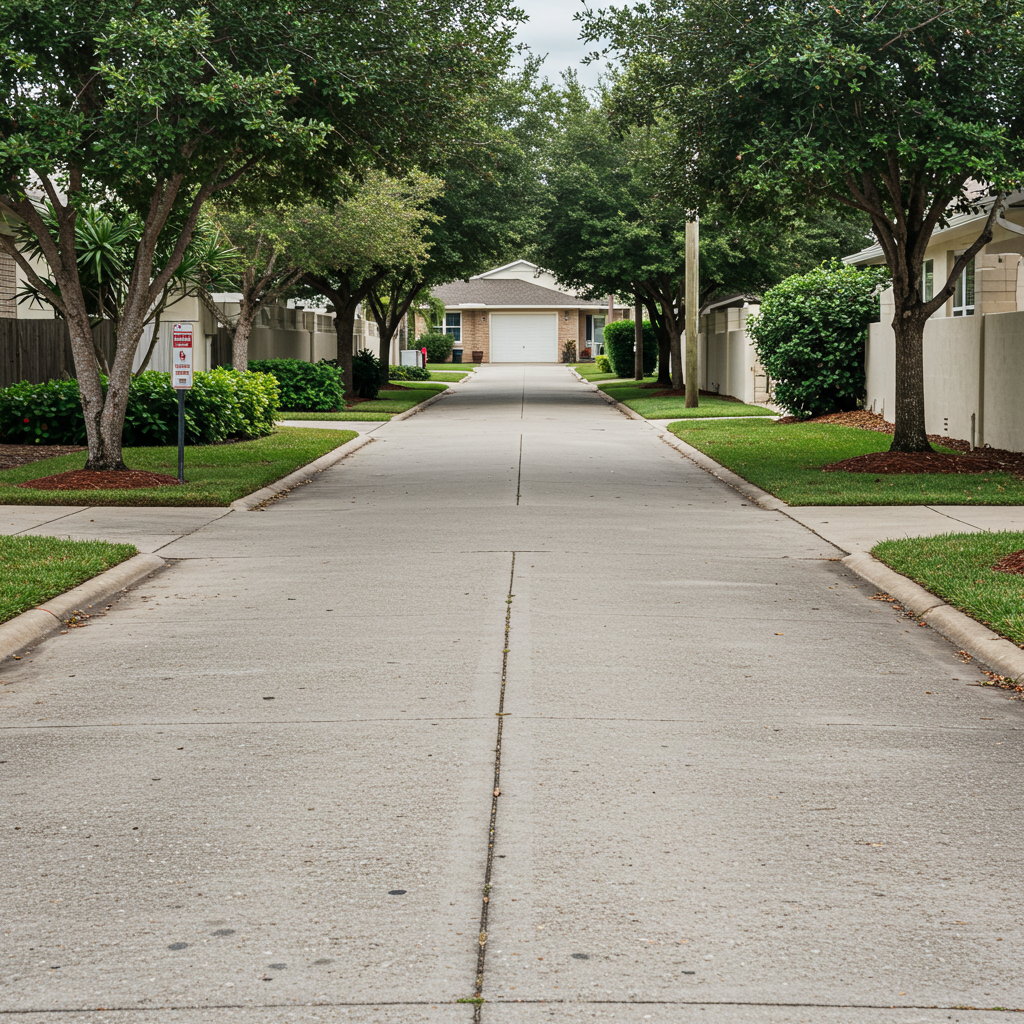
Protect Your Investment: Spot & Fix Water Damage on Tampa Paving & Concrete
What are the Common Signs of Water Damage on Tampa Paving and Concrete?
Identifying water damage early is crucial for effective and cost-efficient repairs. Water, while essential for life, is a formidable enemy to paved surfaces, especially in areas like Tampa with heavy rainfall and high humidity. Here are the key indicators you should look for:
- Cracking: One of the most obvious signs. Water penetrates existing small cracks, and as it freezes (less common in Tampa, but can still happen in rare cold snaps) or simply expands and contracts with temperature changes, it widens these fissures. Over time, these can develop into alligator cracking (a network of interconnected cracks resembling alligator skin) or larger, more severe structural cracks.
- Potholes: These form when water seeps into cracks, weakens the underlying sub-base, and then the surface material collapses under traffic load. Potholes are not only unsightly but also significant safety hazards for vehicles and pedestrians.
- Spalling or Flaking: This occurs when the surface of concrete or asphalt begins to peel, flake, or pit. It's often caused by moisture trapped within the material that expands or by chemical reactions (like de-icing salts, though not a major Tampa issue, or aggressive cleaners) exacerbated by water presence. In concrete, spalling can expose the aggregate beneath.
- Uneven Surfaces or Sinking: If parts of your driveway or patio appear to be sinking or have developed uneven dips, it's a strong indicator that water has eroded the soil or sub-base underneath. This compromises the structural integrity of the entire slab or pavement.
- Efflorescence: For concrete surfaces, this appears as a white, powdery residue on the surface. It's caused by water dissolving soluble salts within the concrete and carrying them to the surface, where the water evaporates, leaving the salts behind. While not always structurally damaging, it's a clear sign of moisture intrusion.
- Pooling Water: After rain, if water consistently collects in certain areas of your driveway, parking lot, or patio, it indicates improper grading or significant surface depressions due to sub-base erosion. This standing water accelerates deterioration.
Regular inspection of your Tampa property's paving and concrete can help you spot these issues early and take preventative or corrective action.
Why is Water Damage a Significant Problem for Paving in Tampa's Climate?
Tampa's unique subtropical climate presents particular challenges for paving and concrete longevity, making water damage a more prevalent and aggressive concern than in drier regions. Understanding these factors highlights the importance of proactive measures.
- Heavy Rainfall and Storms: Tampa experiences significant annual rainfall, especially during hurricane season. Intense downpours quickly saturate soil, leading to hydrostatic pressure beneath paved surfaces. This pressure can push water up through cracks, further weakening the sub-base and causing uplift or shifting of slabs. The sheer volume of water can also overwhelm inadequate drainage systems, leading to prolonged standing water.
- High Humidity: Persistent high humidity means that moisture in the air is consistently high, slowing down the drying process of saturated materials. This extended exposure to moisture keeps surfaces damp, encouraging mold and algae growth, and allowing water more time to penetrate pores and cracks.
- Porous Soils: Much of Florida's soil, including in Tampa, is sandy and porous. While good for initial drainage, heavy rains can still cause erosion of the sub-base beneath concrete and asphalt. When the sub-base washes away, the pavement loses its essential support, leading to sagging, cracking, and eventual failure.
- Warm Temperatures: While extreme freeze-thaw cycles are rare, Tampa's warm temperatures contribute to the expansion and contraction of paving materials. When combined with moisture, this constant movement can stress the material, leading to cracks that act as entry points for water.
The combination of these environmental factors creates a perfect storm for accelerated water damage on paving and concrete in Tampa. Ignoring these issues can lead to rapid deterioration and significantly higher repair costs down the line.
How Can I Prevent Water Damage to My Driveway and Patios in Tampa?
Preventing water damage is far more cost-effective than repairing it. Implementing these preventative measures can significantly extend the lifespan of your paving and concrete surfaces in Tampa.
- Ensure Proper Drainage: This is paramount. Ensure your property's grading directs water away from your driveways, walkways, and foundations. Install or maintain effective drainage solutions such as French drains, catch basins, and proper swales. Gutter systems should be clear and downspouts directed away from paved areas.
- Apply Sealants Regularly: For asphalt, sealcoating every 2-3 years provides a protective barrier against water penetration, UV rays, and oil spills. For concrete, a high-quality penetrating sealant should be applied every 3-5 years (or as recommended by the product) to repel water and protect against staining and efflorescence. This is a critical step in Tampa's climate to maintain the integrity of your surfaces.
- Promptly Repair Cracks and Potholes: Even small cracks are invitations for water to infiltrate. Address them immediately with appropriate crack fillers for asphalt or concrete caulk for concrete. Potholes should be filled and compacted as soon as they appear to prevent further damage to the sub-base. Timely action prevents minor issues from becoming major structural problems.
- Maintain Expansion Joints: In concrete, expansion joints are designed to allow slabs to expand and contract without cracking. Ensure these joints are properly sealed with flexible joint filler. If the filler degrades or is missing, water can seep directly beneath the slab, leading to erosion and differential settling.
- Regular Cleaning and Inspection: Keep your paved surfaces clean of debris, dirt, and organic matter (leaves, branches) that can trap moisture and accelerate deterioration. Conduct routine visual inspections, especially after heavy rains, to catch early signs of pooling water, cracking, or other damage.
- Avoid Overloading: Ensure that your paved surfaces are not subjected to loads beyond their design capacity. Heavy vehicles can stress the pavement, making it more susceptible to water damage if cracks are already present.
By adopting a proactive approach to maintenance and ensuring effective water management, you can significantly mitigate the risk of water damage to your Tampa paving and concrete.
When Should I Consider Professional Repair for Water-Damaged Surfaces in Tampa?
While minor crack filling can be a DIY task, many forms of water damage require the expertise of professional paving and concrete contractors. Knowing when to call in the pros can save you time, money, and future headaches.
- Extensive Cracking or Alligator Cracks: If cracks are widespread, deep, or form an interconnected pattern (alligator cracking), it indicates significant underlying structural damage. These issues are beyond simple patching and require professional assessment and comprehensive repair strategies, potentially including milling and repaving for asphalt, or slab replacement for concrete.
- Large Potholes or Multiple Potholes: While a single small pothole might be patched, large or numerous potholes suggest a compromised sub-base. Professionals have the equipment and knowledge to properly excavate, rebuild the sub-base, and apply durable asphalt or concrete patches that will last.
- Significant Unevenness or Sinking: If your driveway or patio has pronounced dips, humps, or sections that have noticeably sunk, it's a clear sign of severe sub-base erosion or soil instability due to water. This requires professional evaluation to determine if the area needs to be releveled, mud-jacked (for concrete), or completely reconstructed with proper soil compaction and drainage.
- Recurring Water Pooling: If you've tried to address drainage issues yourself but still experience significant water pooling after rain, a professional can conduct a proper site assessment, identify grading problems, and design effective drainage solutions tailored to your property.
- Structural Damage to Foundations or Adjacent Structures: If water damage to your paving is impacting adjacent structures, such as your home's foundation or retaining walls, immediate professional intervention is necessary. This indicates a serious water management problem that needs expert remediation.
- Safety Hazards: Any paving damage that creates tripping hazards for pedestrians or driving hazards for vehicles warrants professional repair. This includes deep cracks, large potholes, or significantly uneven surfaces.
Attempting extensive repairs without the right knowledge or equipment can often lead to temporary fixes that fail quickly, ultimately costing more in the long run. For reliable and lasting solutions to water damage on your Tampa paving and concrete, trust the experienced professionals at Tampa Concrete & Paving. Our team can assess the extent of the damage, identify the root causes, and implement durable repairs and preventative measures, ensuring the longevity and safety of your surfaces.
Need Professional Assistance?
Get a free, no-obligation estimate from our expert local team today.