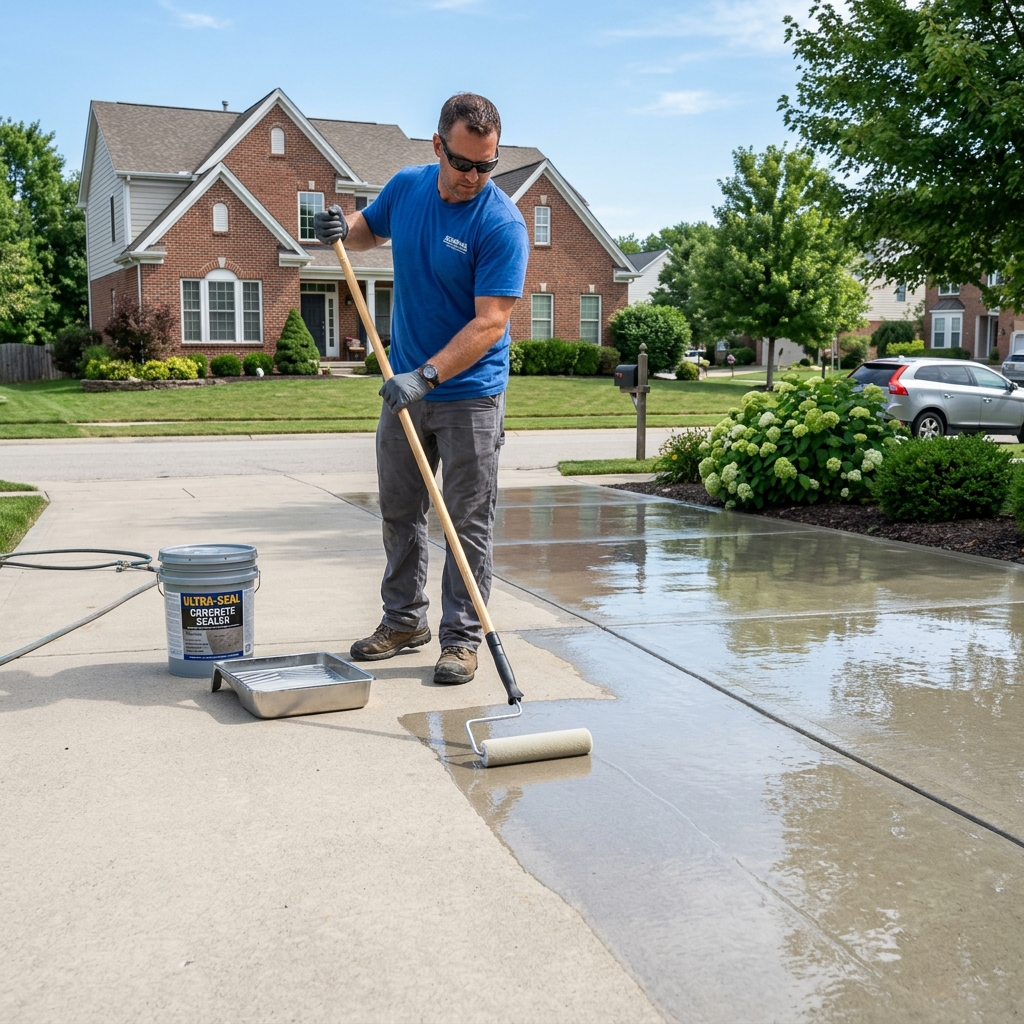
Protect Your Investment: Preventing Costly Paving Repairs in Tampa, FL
As a property owner in Tampa, you understand that your paved surfaces—whether a driveway, parking lot, or walkway—are critical investments. They impact curb appeal, property value, and, most importantly, safety. Unfortunately, Florida's intense sun, heavy rains, and unique soil conditions can accelerate wear and tear, leading to expensive repairs if neglected. At Tampa Concrete & Paving, we believe in empowering our clients with the knowledge to protect their assets. This guide will walk you through common paving challenges in the Bay Area, signs of impending failure, and how professional intervention can prevent minor issues from becoming major budget drains.
Why Paving Deterioration is a Major Concern in Tampa, FL
Tampa's climate is beautiful, but it presents specific challenges for paved surfaces. Understanding these factors is the first step in prevention:
- Heavy Rainfall & Humidity: Frequent, torrential downpours can saturate the sub-base, leading to erosion, weakening the foundation, and causing potholes or uneven settling. High humidity also contributes to material degradation.
- Intense UV Exposure: The relentless Florida sun causes asphalt to oxidize and become brittle, leading to surface cracking and fading. Concrete can also suffer from thermal expansion and contraction, which can exacerbate existing cracks.
- Expansive Soils: Much of Florida, including parts of Tampa, has sandy or clay-rich soils that can shift and compact over time. This movement directly impacts the stability of the pavement above, leading to differential settlement and cracking.
- Tree Root Invasion: The lush tropical vegetation common in Tampa can be beautiful but destructive. Aggressive tree roots can grow under and through paved surfaces, causing significant lifting, cracking, and structural damage.
- Heavy Traffic & Weight: Commercial properties, in particular, endure constant stress from vehicles. Heavy truck traffic, coupled with high temperatures, can deform asphalt and accelerate wear.
Recognizing these environmental and usage stressors helps explain why proactive measures are so vital for maintaining your paving in peak condition.
Key Signs Your Pavement Needs Immediate Professional Attention
Being able to identify the early warning signs of paving distress can be the difference between a minor repair and a complete overhaul. Keep an eye out for these indicators:
- Cracks (All Types):
- Hairline Cracks: While small, these can quickly expand, allowing water penetration.
- Alligator Cracking: A series of interconnected cracks resembling alligator skin, indicating severe structural failure in the sub-base.
- Edge Cracks: Cracks along the perimeter often due to inadequate support or drainage.
- Block Cracks: Large, rectangular cracks often caused by asphalt shrinkage or poor drainage.
- Potholes: These are not just aesthetic issues; they are safety hazards and indicate significant base deterioration from water intrusion.
- Depressions & Unevenness: Sagging areas or puddles after rain point to sub-base issues, poor drainage, or compaction problems. Water pooling accelerates further damage. If you are in Palm Harbor or surrounding areas, uneven surfaces are particularly prevalent due to similar soil conditions and heavy rainfall.
- Fading & Discoloration: For asphalt, this means the binder is oxidizing, making the surface brittle. For concrete, it might indicate surface wear or the need for sealant.
- Rutting & Shoving: Indentations or ripples in asphalt, typically in high-traffic areas, signify a failing base layer or poor mix design.
- Drainage Issues: Standing water on your paved surface after rain is a red flag. Proper drainage is crucial to pavement longevity.
- Tree Root Uplift: Visible humps or cracks caused by tree roots growing beneath the surface. This requires immediate action to prevent extensive damage.
Don't ignore these signals. The sooner you address them, the more effectively and affordably they can be fixed.
Repair vs. Replace: Making the Smart Choice for Your Tampa Property
Once you’ve identified a problem, the critical decision is whether to repair or completely replace your paving. This isn't always straightforward and often depends on the extent of the damage, your budget, and the long-term goals for your property.
When to Consider Repair:
- Minor Cracks & Potholes: If damage is confined to the surface layer and the sub-base is still sound.
- Good Overall Condition: If less than 25-30% of the paved area shows significant distress.
- Budget Constraints: Repairs are typically less expensive in the short term.
- Asphalt Resurfacing (Overlay): For asphalt, if the base is stable, an overlay can provide a fresh wearing surface, extending its life for several years.
When to Consider Replacement:
- Widespread Alligator Cracking: A clear sign of extensive sub-base failure.
- Deep Depressions & Rutting: Indicates the structural integrity is severely compromised.
- Poor Drainage Issues That Cannot Be Corrected: If regrading is necessary due to significant settlement.
- Aging Pavement: If your asphalt is over 20 years old or concrete is over 30 and showing widespread deterioration.
- Multiple, Frequent Repairs: If you're constantly patching the same areas, a full replacement often offers better long-term value.
For businesses in Dunedin or other surrounding communities, this repair vs. replace decision is a common challenge, and a professional assessment from Tampa Concrete & Paving is invaluable in making an informed, cost-effective choice.
What to Expect from a Professional Paving Inspection in Tampa
When you call Tampa Concrete & Paving, you're not just getting a quote; you're getting a thorough, expert assessment of your paving needs. Here's what our process typically involves:
- Initial Site Visit: A trained paving specialist will visit your Tampa property to visually inspect all paved surfaces.
- Damage Assessment: We'll meticulously identify and categorize all signs of damage, including crack types, potholes, drainage issues, and signs of sub-base failure.
- Sub-Base Evaluation: While not always visible, the condition of the underlying base is crucial. We look for signs of settlement, erosion, or poor compaction that might indicate deeper problems.
- Drainage Analysis: We assess the existing drainage system and identify areas where water is pooling or causing erosion. Proper water management is paramount for pavement longevity in Tampa.
- Traffic & Usage Assessment: For commercial properties, we consider the type and volume of traffic to recommend suitable materials and designs.
- Detailed Recommendations: Based on our findings, we provide a comprehensive report outlining our recommended solutions, whether it's minor crack sealing, asphalt resurfacing, concrete repair, or a full replacement.
- Transparent Cost Estimates: You'll receive a clear, itemized quote for the recommended work, explaining the scope, materials, and timeline.
Our goal is to provide you with the most durable, cost-effective solution tailored to your specific situation and the unique challenges of the Tampa environment.
Proactive Maintenance Tips for Pavement Longevity in the Bay Area
Beyond professional repairs, there are steps you can take to extend the life of your paved surfaces:
- Regular Cleaning: Sweep away dirt, leaves, and debris to prevent water from being trapped and to keep drainage systems clear.
- Sealcoating (Asphalt): Apply a high-quality sealcoat every 2-3 years to protect asphalt from UV rays, water, and oil spills. This is especially crucial in sunny Tampa.
- Crack Sealing (Both): Promptly fill any cracks with appropriate sealant to prevent water intrusion and stop further deterioration.
- Address Drainage Issues: Ensure gutters, drains, and landscaping effectively divert water away from paved areas. Clear any blockages immediately.
- Manage Tree Roots: If tree roots are a persistent problem, consider root barriers or professional tree trimming to prevent damage.
- Limit Heavy Loads: Where possible, restrict extremely heavy vehicles from certain areas to reduce stress on the pavement.
By taking these proactive steps and partnering with a trusted local expert like Tampa Concrete & Paving, you can significantly reduce the likelihood of needing expensive, extensive repairs down the line.
Don't wait for minor issues to become major headaches. If you've noticed any signs of distress on your driveway, parking lot, or private road, now is the time to act. Contact Tampa Concrete & Paving today for a professional, no-obligation inspection and consultation. Our local experts are ready to provide durable, cost-effective solutions to protect your investment for years to come. Call us now to schedule your assessment in Tampa, FL!
Need Professional Assistance?
Get a free, no-obligation estimate from our expert local team today.