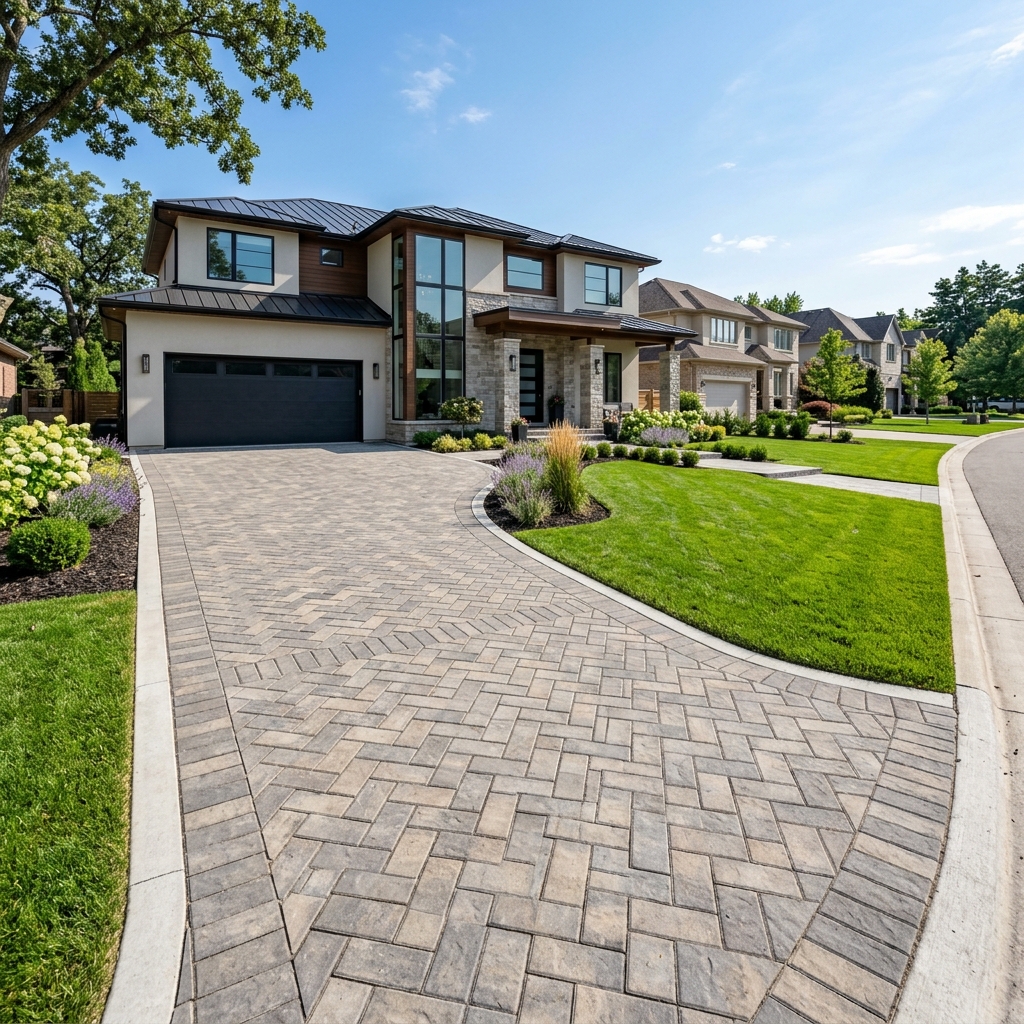
Don't Wait: Critical Signs Your Tampa Pavement Needs Professional Concrete & Paving Repair
In the vibrant, sun-drenched landscape of Tampa, Florida, your property's pavement – whether asphalt driveway, concrete patio, or commercial parking lot – endures a unique set of challenges. From relentless sun exposure and torrential downpours to shifting sandy soils and bustling traffic, these elements can take a significant toll, often leading to critical damage that demands prompt attention. Identifying these urgent signs early is not just about aesthetics; it's about safeguarding your investment, ensuring safety, and avoiding far more expensive problems down the line. Tampa Concrete & Paving is here to help you understand what to look for and when to call the experts.
What Are the Most Critical Signs of Pavement Failure in Tampa?
Pavement deterioration doesn't happen overnight, but certain indicators signal a more urgent problem that transcends typical wear and tear. These signs often point to underlying structural issues requiring immediate professional assessment.
- Extensive Alligator Cracking (Fatigue Cracking): This common asphalt issue appears as a series of interconnected cracks resembling an alligator's skin. While small patches can be repaired, widespread alligator cracking across a significant portion of your pavement indicates severe sub-base failure. Water infiltrates these cracks, weakening the base layers, which can lead to complete structural collapse if left untreated. For properties in South Tampa, where older infrastructure and heavy vehicle use are common, this is a frequent concern.
- Deep, Wide Potholes: A pothole is more than just a nuisance; it's a direct hazard. When potholes are deep enough to cause vehicle damage or wide enough to pose a significant tripping risk, they signify a breakdown of the pavement layers, often due to water penetration and freeze-thaw cycles (though less severe in Tampa, water expansion in saturated materials still occurs). Immediate repair is essential to prevent accidents and further erosion of the surrounding pavement.
- Widespread Crumbling or Ravelling: If your asphalt surface appears dusty, rough, and aggregate particles are loosening, this is ravelling. If concrete begins to disintegrate into loose gravel and sand, it’s crumbling. Both indicate a loss of binding integrity due to aging, poor mix, or severe environmental exposure. This compromises the entire surface and requires swift action to restore stability.
- Significant Drainage Issues and Standing Water: Pavement is designed to shed water efficiently. If you observe persistent puddles, standing water, or water flowing in unintended directions after rain, it signals a significant drainage problem. This can be due to improper grading, settlement, or underlying sub-base issues. Standing water can infiltrate cracks, exacerbate damage, and even undermine nearby foundations, necessitating urgent professional intervention.
- Heaving or Sinking (Uneven Surfaces): Portions of your pavement that have visibly risen (heaving) or dropped (sinking) are clear indicators of sub-base instability. This can be caused by expansive soils, tree root intrusion, poor compaction during installation, or erosion. Such uneven surfaces create serious tripping hazards and can lead to structural failures in adjacent areas.
- Large Structural Cracks: While hairline cracks are often cosmetic, large cracks – especially those wider than a quarter-inch, or showing vertical displacement – suggest significant structural stress. These can be transverse (across the width), longitudinal (along the length), or block cracks (large, interconnected squares). They allow water deep into the base layers, accelerating deterioration.
Why Do These Pavement Issues Occur So Frequently in Tampa, FL?
Tampa's unique environmental factors play a crucial role in the lifespan and health of concrete and asphalt. Understanding these local challenges helps explain why timely interventions are so critical:
- Intense Sun and Heat: The prolonged, intense UV radiation and high temperatures in Tampa cause asphalt to oxidize and become brittle, leading to cracking. Concrete, while more resilient, also undergoes expansion and contraction cycles that can create stress and micro-cracks over time.
- Heavy Rainfall and Humidity: Tampa experiences substantial rainfall, especially during hurricane season. Water is the primary enemy of pavement. It seeps into cracks, weakens the sub-base, and can lead to erosion. High humidity also keeps surfaces damp, slowing drying and promoting degradation.
- Sandy Soil and High Water Table: Much of Florida, including Tampa, sits on sandy soil. While good for drainage in some respects, sandy sub-bases can be prone to shifting and erosion if not properly prepared and compacted, leading to settlement and uneven pavement. A high water table can also contribute to sub-base saturation.
- Tree Root Intrusion: Tampa's lush subtropical vegetation, including numerous large trees, means tree roots are a common culprit for pavement damage. Roots seek out moisture and nutrients, often growing directly beneath or into pavement, causing lifting, cracking, and structural compromise.
- Heavy Traffic and Loads: Commercial properties and high-traffic residential areas experience greater stress on their paved surfaces. The constant weight and friction accelerate wear and tear, making proper installation and timely repairs even more vital.
Repair or Replace: How Do I Decide What's Best for My Tampa Property?
When faced with significant pavement damage, the fundamental question arises: should I repair it or replace it entirely? This decision isn't always straightforward and often depends on the extent of the damage, the age of the pavement, and your budget.
- Consider Repair When:
- Damage is isolated to a small area (e.g., a few potholes, minor alligator cracking in a single spot).
- The underlying sub-base is still sound and stable.
- The pavement is relatively young (less than 10-15 years for asphalt, 20-30 for concrete) and has most of its service life remaining.
- Options like crack sealing, patching, or asphalt overlay (resurfacing) can restore integrity and extend life.
- Consider Replacement When:
- Damage is widespread (affecting 30% or more of the surface).
- The sub-base has failed, leading to significant heaving, sinking, or extensive alligator cracking.
- The pavement has reached or exceeded its expected service life.
- Repeated repairs are becoming more costly than a new installation.
- You desire a complete aesthetic overhaul or wish to upgrade materials (e.g., from asphalt to concrete).
A professional assessment from Tampa Concrete & Paving is invaluable here. We can analyze the damage, evaluate the sub-base, and provide a clear, objective recommendation based on long-term cost-effectiveness and durability.
What to Expect During a Professional Paving & Concrete Inspection in Tampa?
When you contact Tampa Concrete & Paving for an urgent pavement issue, you can expect a thorough, transparent, and professional process designed to give you the clearest picture of your situation.
- Initial Consultation: We'll discuss your concerns, the history of the pavement, and any specific problems you've observed.
- On-Site Visual Inspection: Our specialists will conduct a detailed examination of the entire paved area, noting the types of cracks, potholes, drainage issues, unevenness, and any signs of sub-base distress. We'll also assess surrounding factors like tree roots or proximity to structures.
- Sub-Base Evaluation (If Necessary): For severe issues, we may need to perform limited exploratory work to evaluate the condition of the underlying sub-base, as this is critical to the pavement's structural integrity.
- Problem Diagnosis and Cause Analysis: We'll identify not just the symptoms but the root causes of the pavement failure, considering Tampa's unique environmental factors.
- Detailed Report and Recommendations: You'll receive a comprehensive report outlining our findings, explaining the extent of the damage, and providing clear, actionable recommendations for repair or replacement. We'll present all viable options, discussing their pros, cons, and expected lifespans.
- Transparent, Itemized Quote: Based on the chosen solution, we'll provide a detailed, itemized estimate with no hidden costs, ensuring you understand the investment required.
Addressing urgent pavement issues quickly can save you significant time, money, and stress in the long run. Don't let minor cracks become major hazards. If you've observed any of these critical signs on your property, it's time to act.
For expert concrete and paving repair, inspection, and replacement services in Tampa, FL, and surrounding areas like Dunedin, trust the experienced team at Tampa Concrete & Paving. Contact us today for a professional assessment and ensure your property's pavement is safe, durable, and reliable.
Need Professional Assistance?
Get a free, no-obligation estimate from our expert local team today.