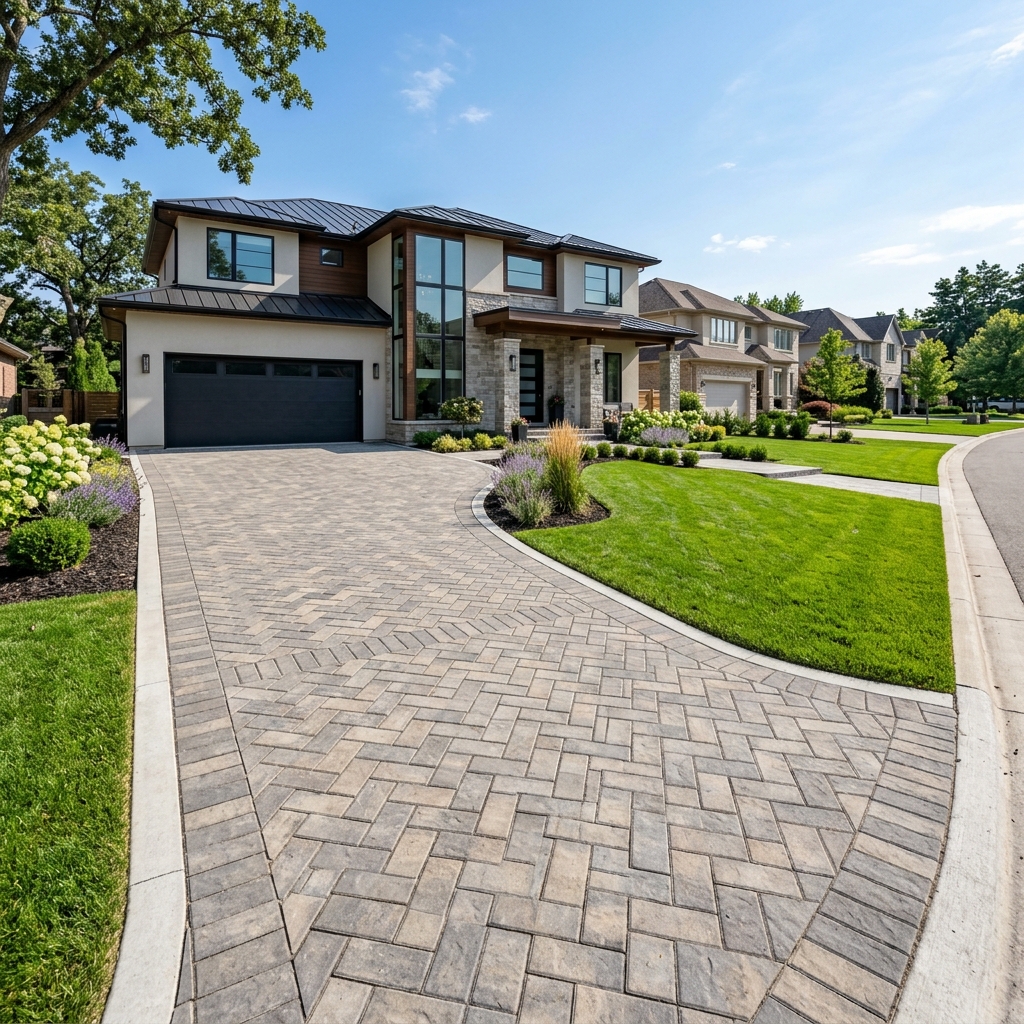
Don't Wait! Spot the Signs Your Tampa Driveway Needs Expert Paving & Concrete Help
Your driveway is more than just a path; it's a critical component of your property's curb appeal, safety, and structural integrity. In Tampa, FL, our unique climate—characterized by intense sun, heavy rainfall, high humidity, and expansive soil conditions—puts considerable stress on asphalt and concrete surfaces. Over time, these environmental factors, combined with daily wear and tear, can lead to significant damage that, if ignored, can escalate into costly and hazardous problems. Understanding the warning signs of driveway distress and knowing when to call in the professionals from Tampa Concrete & Paving can save you time, money, and headaches.
What Are the Key Warning Signs of Driveway Damage in Tampa?
Recognizing the early indicators of pavement failure is the first step toward effective remediation. While some issues might seem minor, they can quickly accelerate into major concerns, especially under Tampa's challenging weather conditions.
- Cracking Patterns:
- Hairline Cracks: Often cosmetic, these thin cracks (less than 1/8 inch) can appear due to minor shrinkage or surface drying. While not immediately critical, they can widen if water infiltrates and freezes (though less common in Tampa, thermal expansion and contraction are significant).
- Alligator or Spiderweb Cracks: This network of interconnected cracks resembles an alligator's skin. For asphalt, it's a strong indicator of sub-base failure due to poor drainage or insufficient structural support. For concrete, it suggests drying shrinkage or fatigue from heavy loads.
- Linear Cracks: These long, continuous cracks can run across or along the driveway. They often point to joint failure, stress from tree roots growing underneath, or movement in the underlying soil.
- Block Cracking: Large, rectangular cracks typically seen in older asphalt, indicating the binder has aged and hardened.
- Potholes and Deterioration:
- Asphalt Potholes: These common depressions form when water seeps into cracks, weakens the sub-base, and traffic dislodges the surface material. They are safety hazards and worsen quickly with rain and heat.
- Concrete Spalling or Scaling: Spalling is the flaking or pitting of the concrete surface, often caused by moisture absorption, freeze-thaw cycles (less common here, but rapid temperature shifts can contribute), or improper finishing. Scaling is a more uniform loss of the top layer of concrete.
- Raveling (Asphalt): Loose aggregate particles on the surface, indicating the binder is wearing away.
- Uneven Surfaces & Settling:
- Sinking Sections: Depressions or sunken areas typically signal issues with the sub-base, such as erosion from water runoff or insufficient compaction during initial installation. This can create dangerous trip hazards and worsen drainage.
- Heaving: Sections of pavement pushed upwards, often by tree roots or expanding clay soils (though sandy soils are more common in Tampa, localized clay pockets exist).
- Water Pooling: Any areas where water collects after rain indicate improper grading or significant settling. This standing water accelerates deterioration and can lead to hydrostatic pressure issues against foundations.
- Tree Root Intrusion:
- Tampa's lush landscape, while beautiful, features many mature trees whose roots can aggressively seek out moisture, lifting and cracking pavements as they grow. This is a prevalent issue and requires specialized assessment.
Should You Repair or Replace Your Damaged Tampa Driveway?
The decision to repair or fully replace your driveway is complex and depends on several factors, including the extent of the damage, the age of the pavement, and your budget. An experienced professional from Tampa Concrete & Paving can provide a detailed assessment to guide your choice.
When to Consider Repair:
- Minor, Isolated Issues: If damage is limited to a few small cracks, minor potholes, or superficial spalling, targeted repairs are often effective.
- Asphalt Patching & Resurfacing: For asphalt with localized potholes or widespread but shallow deterioration, patching or a new overlay (resurfacing) can extend its life.
- Concrete Joint Repair: Repairing failing joints or individual concrete slabs that are otherwise in good condition.
- Slab Jacking / Polyurethane Injection: For minor concrete settling where the sub-base is still relatively stable, injecting material beneath the slab can lift it back to grade, addressing trip hazards and drainage.
When to Consider Replacement:
- Widespread Structural Failure: Extensive alligator cracking in asphalt or deep, interconnected cracks in concrete across a significant portion of the driveway usually points to catastrophic sub-base failure that cannot be effectively repaired.
- Severe Potholes & Crushing: If your asphalt driveway is riddled with large, deep potholes or has begun to crumble extensively, replacement is often the most cost-effective long-term solution.
- Major Settling & Drainage Issues: When large sections of the driveway have significantly settled, creating severe drainage problems or dangerous elevation changes, a full replacement allows for proper sub-base reconstruction and grading. Residents in areas like Westchase often face these sub-base challenges due to varying soil compositions.
- End of Lifespan: Asphalt typically lasts 15-20 years, while concrete can last 20-30+ years with proper maintenance. If your driveway is approaching or has exceeded these lifespans and is showing significant wear, replacement offers a fresh start.
What Are the Typical Costs for Driveway Repair and Replacement in Tampa?
Cost is a significant factor in any paving decision. It's important to understand that prices in Tampa can vary widely based on material costs, labor rates, the complexity of the job, and the specific conditions of your property. From Lutz to downtown, pricing can vary due to factors like site access and local material delivery.
Driveway Repair Costs:
- Crack Filling/Sealing: Generally the least expensive repair, typically priced per linear foot.
- Asphalt Patching: Costs depend on the size and depth of the patch, usually quoted per square foot.
- Concrete Spall/Pitting Repair: Can range from DIY kits for minor issues to professional resurfacing for more extensive damage.
- Slab Jacking/Polyurethane Injection: More involved, costs are determined by the number of injection points and the amount of material needed to lift the slab. This can often be 50-70% less than full concrete replacement for settled slabs.
Driveway Replacement Costs:
Full replacement is a more substantial investment, but it offers a brand-new, long-lasting surface. Costs are typically quoted per square foot and include:
- Demolition and Removal: Hauling away old asphalt or concrete.
- Sub-Base Preparation: Crucial for longevity, this includes excavation, grading, and compaction of new aggregate. Given Tampa's sandy soils, proper sub-base work is paramount.
- Material & Installation: The cost of new asphalt or concrete, including labor for installation, finishing, and curing. Concrete is generally more expensive upfront but offers a longer lifespan.
- Permits: Some larger paving projects in Tampa may require local permits, adding to the overall cost.
Always obtain a detailed, written quote from a reputable local paving contractor. A thorough inspection will reveal the true scope of work and allow for accurate pricing.
What Does a Professional Driveway Inspection Involve?
When you call Tampa Concrete & Paving for a professional assessment, you can expect a comprehensive evaluation designed to identify all existing and potential issues:
- Initial Visual Assessment: Our technicians will meticulously examine your entire driveway for all visible signs of distress, including cracks, potholes, settling, spalling, and drainage issues.
- Sub-Base Evaluation: While the sub-base is hidden, signs like alligator cracking or significant settling can indicate its failure. We'll look for evidence of poor compaction, erosion, or inadequate support.
- Drainage Analysis: We'll assess the slope and grade of your driveway to identify areas where water collects or flows improperly, which can exacerbate damage. Proper drainage is key to pavement longevity in rainy Tampa.
- Soil Condition Review: Understanding the underlying soil type (e.g., sandy, clayey) and its characteristics helps us predict future behavior and recommend appropriate sub-base solutions.
- Root System Inspection: If trees are nearby, we'll examine for signs of root intrusion and discuss potential solutions to mitigate future damage without harming your trees.
- Detailed Recommendations & Quote: Following the inspection, you'll receive a comprehensive report outlining the identified issues, recommended repair or replacement options, a transparent cost estimate, and a timeline for completion. Our goal is to provide a solution that best fits your needs and budget.
Don't let minor driveway issues turn into major expenses or safety hazards. If you've noticed any of these warning signs, it's time to act. Contact Tampa Concrete & Paving today for a professional, no-obligation inspection of your asphalt or concrete driveway in Tampa, FL. Our experienced team is ready to provide expert advice and high-quality solutions tailored to our local environment, ensuring your driveway remains safe, functional, and beautiful for years to come. Call us to schedule your consultation!
Need Professional Assistance?
Get a free, no-obligation estimate from our expert local team today.