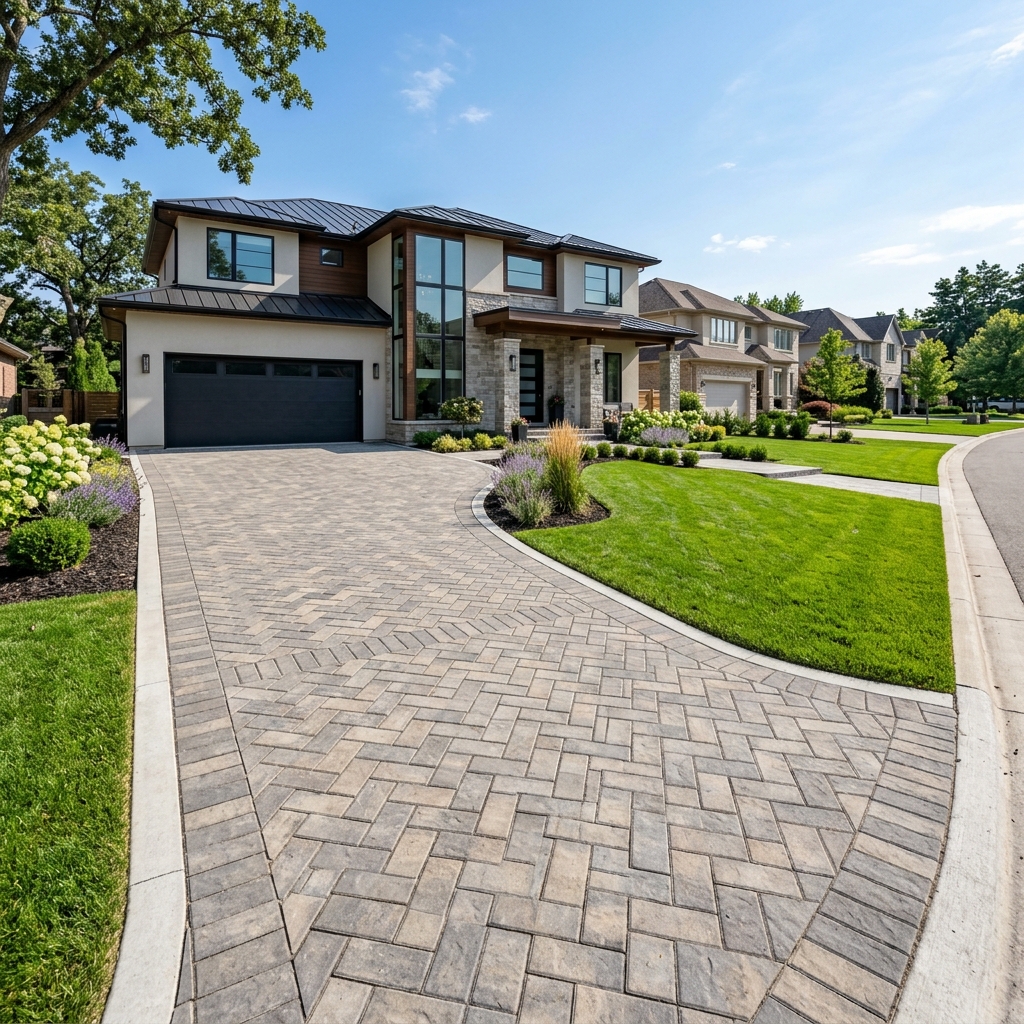
Common Pavement Damage in Tampa: Know When to Repair or Replace
For properties in Tampa, FL, determining whether to repair or replace damaged pavement depends on the extent of the issue, its underlying cause, and the pavement's overall age. Minor surface cracks and isolated potholes often warrant targeted repairs to extend lifespan. However, widespread structural issues, significant sub-base failure, or severe heaving typically necessitate a full replacement for long-term safety and durability.
Maintaining pristine concrete and asphalt surfaces is vital for both aesthetics and safety across residential and commercial properties in Tampa, FL. Our unique subtropical climate, heavy rainfall, and bustling traffic contribute to specific challenges that can degrade pavement over time. Understanding these common types of damage and knowing when to opt for a repair versus a complete replacement can save property owners significant time and money while ensuring the longevity of their investment.
What Are Common Pavement Problems in Tampa, FL?
Tampa's environment presents several unique factors that accelerate pavement deterioration. Recognizing these issues early is key to effective maintenance:
- Heat and UV Exposure: Intense Florida sun causes asphalt to oxidize, losing its flexibility and leading to cracking and raveling. Concrete can also suffer from thermal expansion and contraction, creating stress fractures.
- Heavy Rainfall and Poor Drainage: Frequent downpours can erode sub-bases, leading to settlement, potholes, and alligator cracking. Standing water also seeps into cracks, causing further damage as it expands and contracts.
- Tree Root Intrusion: Our abundant trees, such as Oaks and Palms, have extensive root systems that can push up and crack both concrete slabs and asphalt surfaces, creating trip hazards and structural instability.
- Heavy Traffic and Load Stress: Commercial properties and high-traffic residential areas experience significant wear from vehicles. This constant stress can cause rutting, depressions, and accelerated material fatigue.
- Soil Instability: Florida's sandy, often poorly compacted soils can shift and settle, leading to uneven pavement surfaces, sinking slabs, and structural failures if not properly addressed during initial installation.
How Do I Know If My Pavement Needs Repair or Replacement?
The decision between repair and replacement hinges on the severity and underlying cause of the damage. Here’s a breakdown of common indicators:
Signs Your Pavement Likely Needs Repair:
- Minor Cracks: Small, isolated hairline cracks (less than 1/4 inch wide) can often be sealed to prevent water penetration and stop further deterioration.
- Isolated Potholes: A few individual potholes, particularly if they haven't compromised a large area, can be filled and patched effectively.
- Surface Raveling: Where the aggregate starts to separate from the binder on asphalt surfaces, often a sign of aging or poor initial mix, but can sometimes be addressed with sealcoating or thin overlays.
- Small Alligator Cracking: If alligator cracks (interconnected cracks resembling alligator skin) are confined to a small, non-structural area, localized patching might be feasible.
Signs Your Pavement Likely Needs Replacement:
- Widespread Alligator Cracking: When alligator cracking covers a large percentage of the surface, it typically indicates a failure of the underlying base, requiring a full-depth removal and replacement.
- Extensive Potholes and Depressions: Numerous deep potholes, especially those that reappear shortly after patching, suggest fundamental issues with the sub-base or overall structural integrity.
- Severe Heaving or Sinking: Significant unevenness, particularly across large sections, points to serious sub-base issues, soil instability, or major root intrusion that cannot be corrected with simple repairs.
- Drainage Problems: Pervasive standing water due to improper grading or severe surface deformation often signals a need for complete reconstruction to re-establish proper slopes.
- Aging Beyond Economical Repair: If your pavement is very old and exhibiting multiple forms of advanced deterioration, repeated repairs become a temporary and ultimately more expensive solution than investing in a new surface.
What Factors Influence the Repair vs. Replace Decision?
Making the right choice involves weighing several critical factors:
- Extent and Severity of Damage: Small, isolated issues favor repair. Widespread structural failure demands replacement.
- Age of the Pavement: Older pavements (e.g., asphalt over 20 years, concrete over 30 years with significant issues) are more likely candidates for replacement, as their structural integrity may be compromised beyond simple fixes.
- Underlying Sub-Base Condition: If the problem originates from a failing sub-base (the foundation beneath the pavement), repair is often futile without addressing the root cause, typically requiring replacement.
- Budget Considerations: While replacement is a larger upfront cost, it offers a longer lifespan and potentially fewer long-term maintenance expenses. Repair might be cheaper initially but could lead to recurring costs if the underlying problem isn't addressed.
- Future Use and Traffic Load: If the intended use or traffic load of the paved area is changing (e.g., from residential to commercial traffic), a full replacement allows for proper redesign and construction to meet new demands.
What to Expect During a Professional Pavement Inspection in Tampa
When you call Tampa Concrete & Paving, our experienced technicians perform a thorough assessment to provide accurate recommendations. Whether you're in South Tampa or elsewhere in the metro area, our inspection process typically includes:
- Visual Surface Assessment: A detailed examination of cracks, potholes, rutting, depressions, and surface texture to identify visible signs of distress.
- Sub-Base Evaluation: Techniques like probing or coring (if necessary) to assess the condition of the underlying aggregate base and subgrade soil, which is crucial for structural integrity.
- Drainage Analysis: Evaluating slopes, existing drainage systems, and areas of standing water to determine if water is contributing to pavement failure.
- Traffic and Usage Review: Understanding the type and volume of traffic the surface endures helps determine appropriate material and structural requirements.
- Root Cause Identification: Pinpointing whether damage is due to environmental factors, heavy loads, poor installation, or aging.
- Detailed Recommendation and Quote: Based on the findings, we provide a transparent explanation of the issues, a clear recommendation for repair or replacement, and a comprehensive, no-obligation quote.
From the bustling commercial zones of Tampa to the growing communities like Plant City, our local expertise ensures solutions tailored to your specific needs and the unique demands of the Florida environment.
Don't let deteriorating pavement compromise your property's value or safety. Whether it's a small crack or a major structural issue, timely and informed action is key. The team at Tampa Concrete & Paving is your trusted local expert for all paving and concrete needs. We provide honest assessments and high-quality, durable solutions designed to withstand Tampa's climate. Contact us today for a free, no-obligation inspection and consultation to determine the best course of action for your property. Ensure your investment lasts for years to come with professional care.
Need Professional Assistance?
Get a free, no-obligation estimate from our expert local team today.